

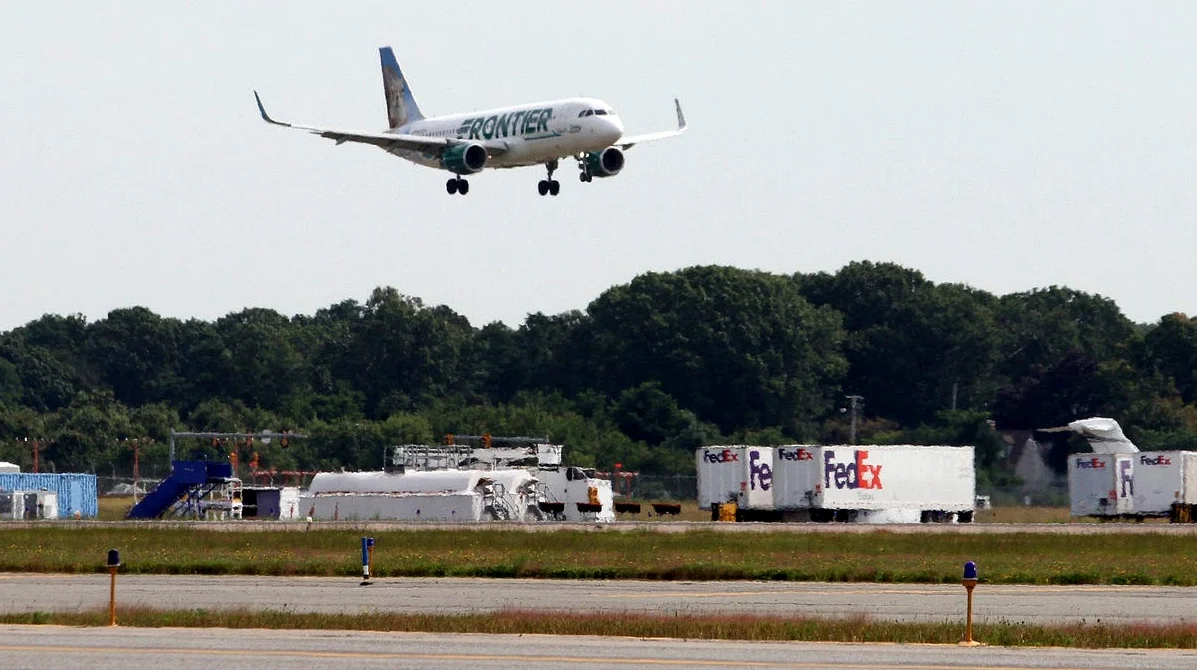
Rhode Island T.F. Green International Airport is preparing for a major infrastructure upgrade that will temporarily shift flight operations to a shorter runway, potentially increasing noise levels for some residents in Warwick. The main runway, which runs northeast-southwest, will be closed from April to October for repaving, forcing flights to use a shorter crosswind runway aligned northwest-southeast.
Impact on Warwick Residents
The closure of the main runway is part of a $30 million rehabilitation project aimed at modernizing the airport’s infrastructure. During the repaving period, flights will be redirected to the shorter runway, which is 6,100 feet long, compared to the main runway’s 8,700 feet. This change could lead to more frequent flights passing over residential areas in Warwick, particularly those in the flight path of the crosswind runway.
Residents in the affected areas may find themselves dealing with increased noise from aircraft during the summer months, when flights are typically more frequent. According to the Rhode Island Airport Corporation, the repaving is necessary to maintain the airport’s capacity to handle growing passenger demand and to ensure safe operations. The project also includes upgrades to lighting, electrical systems, and signage.
“PVD continues to experience strong underlying demand for air travel and RIAC remains focused on completing the runway rehabilitation project efficiently,” said Dawn Mineker, executive vice president of infrastructure and operations at the Airport Corporation. “We continue to invest in our infrastructure to keep pace with increased growth and passenger demand both on the airfield and within the terminal.”
Operational Adjustments and Aircraft Compatibility
The use of the shorter runway during the repaving period has raised questions about the types of aircraft that can operate there. The previous extension of the main runway in 2017 was partly to accommodate larger aircraft and long-haul flights. However, the airport has not confirmed whether certain types of aircraft will be unable to use the crosswind runway during the repaving project.
“While fully capable of supporting safe operations, the shorter runway may require airlines to adjust aircraft operations under certain conditions,” the Airport Corporation said in a news release. The airport did not respond to specific inquiries about whether any aircraft types would be excluded from using the crosswind runway during the six-month closure.
Despite the potential limitations, T.F. Green has historically handled a variety of aircraft, including large charter jets used by the New England Patriots and a Ukrainian An-124 cargo plane that landed in 2020 to transport an America’s Cup sailboat. The airport has seen a steady increase in traffic, with the number of flights growing in line with regional demand.
Terminal Renovations and the Sailboat Display
While the airport is focused on runway upgrades, it is also undergoing terminal renovations. The fully rigged display sailboat that has been a familiar sight in the lower-level lobby of the Bruce Sundlun Terminal has been temporarily removed to make way for flooring renovations. The boat was relocated to support the ongoing terminal remodeling project.
“The Airport Corporation is in the process of making flooring renovations to the terminal in a phased approach. The next phase will focus on modernizing the terminal flooring near the information booth,” said spokesman Bill Fischer in an email. “The display on the ground floor of the terminal has been relocated to support these flooring renovations.”
As for the future of the sailboat display, Fischer noted that “discussions related to the sailboat display’s future remain ongoing and no final decision has been made regarding its role when the renovations are completed.” The display, which has become a popular attraction for visitors, may or may not return to its original location after the renovations are completed.
The repaving project at T.F. Green is a significant undertaking that reflects the airport’s efforts to maintain its infrastructure and meet the growing demand for air travel in the region. The changes in flight operations will affect some Warwick residents, who may experience increased noise levels during the summer months. The airport has emphasized its commitment to completing the project efficiently while continuing to invest in its infrastructure to support future growth.
Residents in the affected areas are advised to be prepared for more frequent flights and potential noise disruptions during the six-month closure of the main runway. The airport has not provided specific details on how long the changes in flight operations will last or whether they will be permanent after the repaving is completed.
The repaving of the main runway is a critical step in ensuring the airport’s long-term viability and ability to handle increasing passenger traffic. As the project moves forward, the airport will continue to monitor the impact on local residents and make necessary adjustments to minimize disruptions.






Comments
No comments yet
Be the first to share your thoughts