

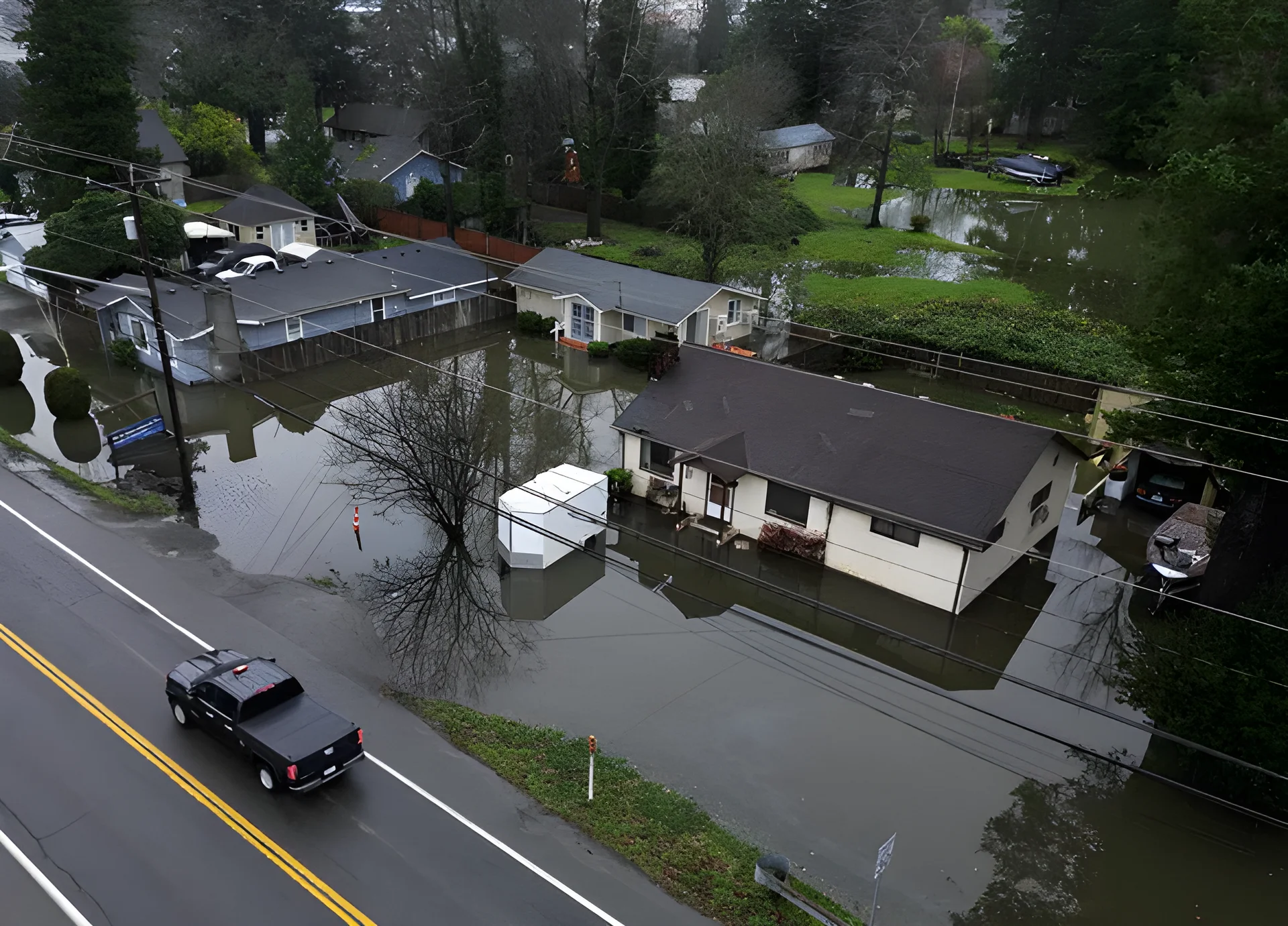
Washington state lawmakers have passed a bill requiring landlords to disclose flood risks to renters, a measure aimed at increasing transparency and protecting tenants from unexpected financial losses. The legislation, Senate Bill 6237, now moves to the governor’s desk for potential signing. If enacted, the requirement will apply only to leases signed after December 31, 2026.
Response to Recent Flooding in Western Washington
The bill was introduced in direct response to reporting by The Seattle Times on tenants left unprepared for flooding that devastated homes in Western Washington in December 2023. Sen. Jessica Bateman, D-Olympia, the bill’s primary sponsor, stated that Washington was one of the few states that did not previously require flood risk disclosures for rental properties, only for home sales.
“This is just one way that we can help give people information and increase transparency,” Bateman said. “I was unaware that Washington lacked such a requirement before reading the Times reporting, and what happened to renters was tragic.”
Many affected renters told The Seattle Times that they would never have moved into their units if they had known about the flood risks. Some also said they were unaware that standard renters insurance does not cover damage from natural flooding, and that they may have benefited from purchasing flood insurance.
Impact on Tenants and Financial Burden
The proposed law would require landlords to inform tenants that standard rental insurance does not cover the loss of personal belongings due to flooding and recommend that tenants consider purchasing flood insurance. In interviews with The Seattle Times, renters without flood insurance described losing all their possessions during the December floods, including furniture, clothing, and photos, which they described as financially and emotionally devastating.
Heather Moe, a 52-year-old low-income renter whose Snoqualmie rental unit flooded in December, said she has spent thousands of dollars trying to rebuild her life. “I will never get anything like what I had back again,” she said. If she had known the area was designated as high risk by FEMA, she would not have moved into the rental unit, she added.
Moe hopes the disclosure requirement will help future renters avoid her fate. “Now, it’s your choice to protect yourself. It puts the onus on the landlord to be 100% clear,” she said.
Bipartisan Support and Industry Concerns
The bill passed with bipartisan support and faced no strong opposition from major landlord groups. Sean Flynn, president of the Rental Housing Association of Washington, initially expressed concerns about potential fear or stigmatization of properties but now supports the bill. “What ended up getting passed meets everyone’s goals and is a good bill,” he said.
Nick Marin, executive director of the Washington Multi-Family Housing Association, said the group is neutral on the bill but expressed concerns about the complexity of state-mandated disclosures. “There’s an overall concern in the industry on how complex and numerous these state-mandated disclosures are becoming and how difficult it is to read and understand those disclosures for tenants,” he said.
Marin added that the bill could open up a helpful dialogue about where a landlord’s responsibility to respond to flooding ends and a tenant’s responsibility begins.
Tenant advocates are generally supportive of the bill but some argue it does not go far enough. Michele Thomas, director of Policy and Advocacy at the Washington Low Income Housing Alliance, said she wished lawmakers had included specific consequences for landlords in flood zones who fail to include the disclosure.
In Oregon, tenants who suffer an uninsured loss due to flooding and did not receive a required flood-risk disclosure can seek damages for the uninsured loss or two months’ rent. “There’s no enforcement to it,” Thomas said. “So what really happens is renters have to enforce it themselves.”
Thomas also noted that many renters cannot afford flood insurance in addition to renters insurance. FEMA-run flood insurance coverage for the contents of a rental is typically a few hundred dollars a year, according to the National Flood Insurance Program’s quoting tool. The National Association of Insurance Commissioners reported that renters insurance costs an average of $10 to $18 per month in Washington.
Bateman acknowledged concerns about the accessibility of flood insurance and emphasized that the Legislature must continue to improve flood protections for renters. “We’re going to see these types of issues come up more, and we’re going to have to do additional work,” she said. “But this (bill) was a first step in increasing that transparency so people have as much information as they can get.”






Comments
No comments yet
Be the first to share your thoughts