

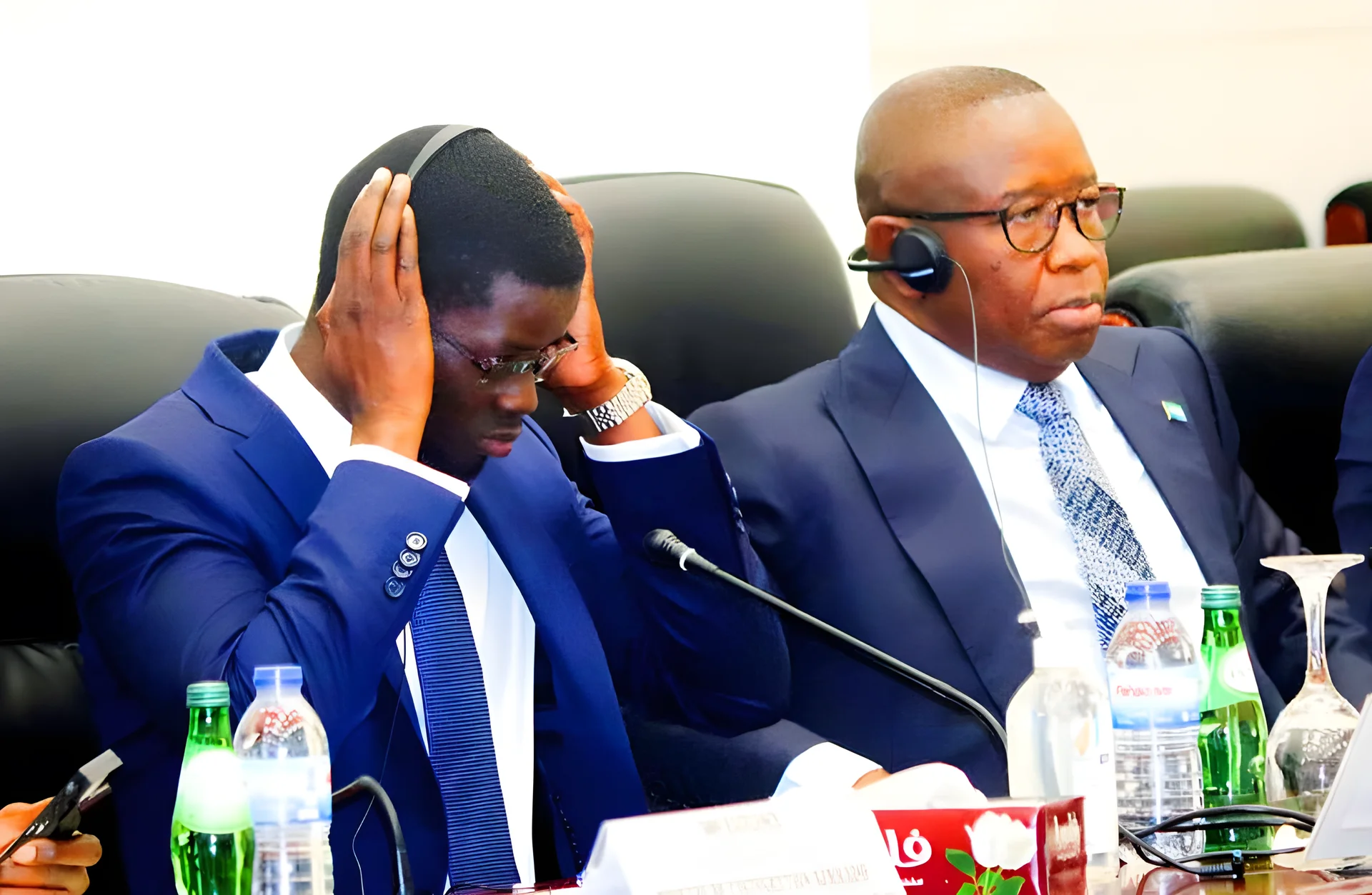
West African states have decided to establish a new 2,000-strong military force to combat the jihadist threat in the region, according to diplomatic and military sources. The decision was made after a meeting of ECOWAS military chiefs in Freetown, where the details of the new force to ‘combat terrorism’ were finalized, a senior Nigerian military official told reporters.
Regional Security Concerns Intensify
The Sahel region, which stretches across Africa and separates the continent’s north from its sub-Saharan part, has long been plagued by jihadist insurgencies. Groups linked to al-Qaeda and the Islamic State have been particularly active in the former French colonies of Burkina Faso, Mali, and Niger. These three countries have not participated in the new force, having left the ECOWAS group in recent years following military coups.
According to a source close to the meeting, military chiefs ‘painted a worrying picture of the regional security landscape.’ The discussions focused on the rise of the terrorist threat, the expansion of transnational organized crime, and the persistent challenges related to maritime insecurity.
Logistical and Financial Challenges Remain
The troops of the new force will remain stationed in their countries of origin, with Sierra Leone serving as a logistical base for the group, an official Sierra Leonean source said. However, officials are still working out the details of how to finance the force, another source said.
Several participating countries have announced the number of soldiers they will contribute, the Nigerian official said. The initial goal is to have about 2,000 troops ready to fight ‘terrorism and insecurity’ across West Africa, he added.
The idea of an anti-jihadist force has been discussed for years by the 12 countries of the Economic Community of West African States (ECOWAS). However, the recent decision to move forward with the formation of the force reflects the growing urgency of the situation in the region.
Implications for Regional Stability
The formation of the new force is seen as a critical step in addressing the escalating security crisis in the Sahel. Analysts warn that the absence of Burkina Faso, Mali, and Niger from the initiative could weaken the overall effectiveness of the effort.
According to a senior Nigerian military official, the force will be deployed to ‘combat terrorism and insecurity’ across West Africa. However, the success of the initiative will depend on the cooperation of all ECOWAS members and the availability of sufficient funding.
The Sahel has seen a significant increase in terrorist attacks in recent years, with groups such as Jama’at Nusrat al-Islam wal-Muslimin (JNIM) and the Islamic State in the Greater Sahara (ISGS) expanding their influence. The region has also been affected by a rise in transnational organized crime, which has further complicated security efforts.
Sierra Leone’s role as a logistical base for the new force highlights the country’s growing involvement in regional security matters. However, the financial burden of maintaining a force of this size is expected to be significant, and officials are still working to secure the necessary funding.
While the formation of the new force is a positive development, experts caution that it must be accompanied by broader political and economic reforms to address the root causes of instability in the region. Without such measures, the threat of terrorism and insecurity is likely to persist.






Comments
No comments yet
Be the first to share your thoughts