

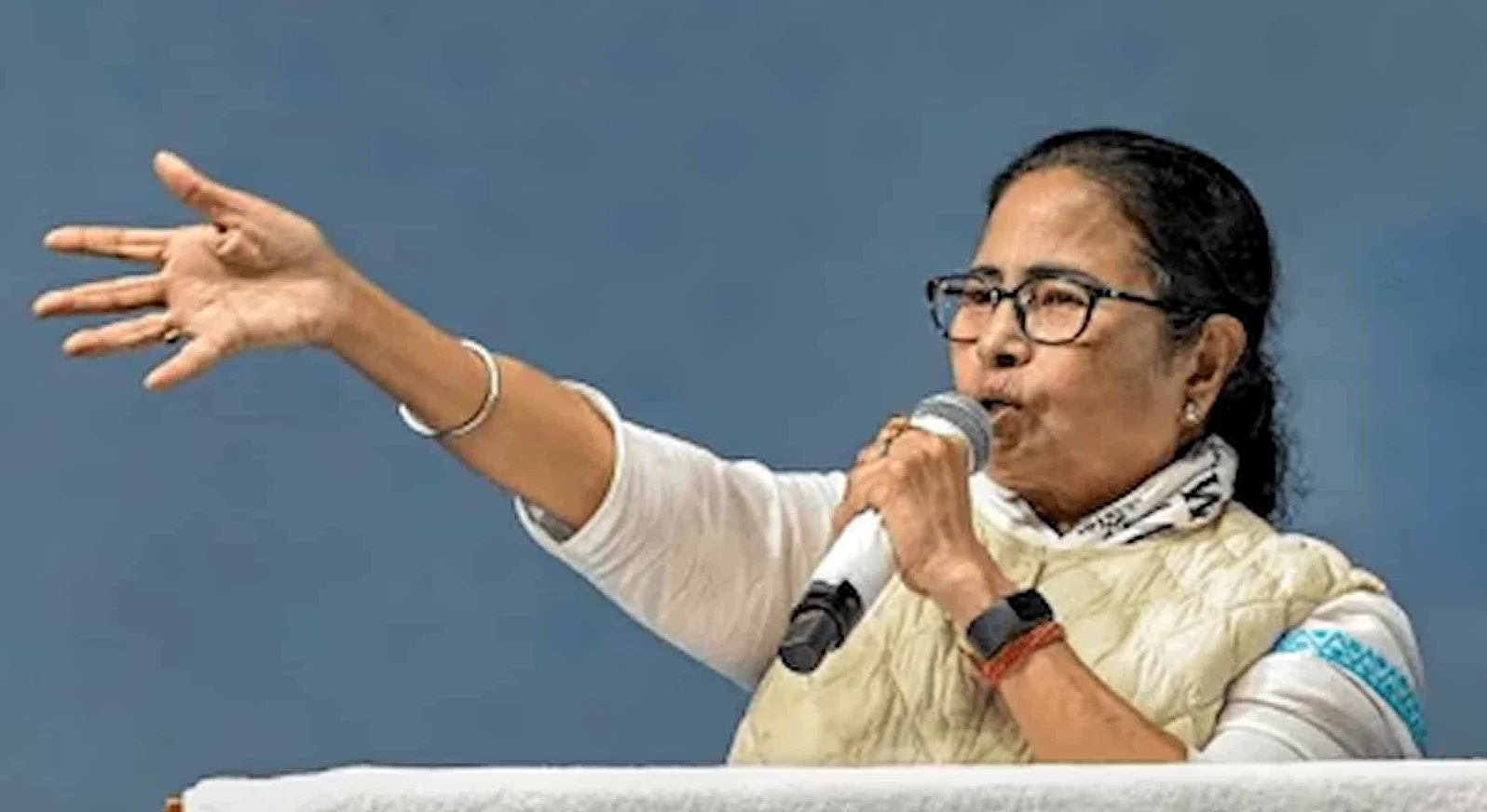
West Bengal Chief Minister Mamata Banerjee has accused the central government of sowing confusion and uncertainty among members of the Matua community by questioning their citizenship status, a claim she made on the death anniversary of the community’s revered matriarch, Binapani Devi, also known as Baroma.
The Citizenship Controversy
Banerjee made the allegations on Thursday, March 5, during a social media post where she criticized the BJP-led government at the Centre for allegedly using the process of granting citizenship as a political tool to destabilize the community.
“It is extremely unfortunate that due to the conspiracy of the BJP government at the Centre, our Matua brothers and sisters are being pushed into an unstable and confusing situation,” she said in her post.
Banerjee accused the central government of deliberately excluding Matua community members from voter lists through the System of Identification and Registration (SIR), a process she said was being used to undermine their long-standing status as citizens of India.
She emphasized that many Matua individuals have been citizens for generations and have historically played a vital role in electing governments, yet now face uncertainty over their status.
Historical and Cultural Significance
Banerjee expressed deep personal connections to Binapani Devi, stating she had a “personal and spiritual relationship” with the late leader and had received her “motherly affection.”
“On the death anniversary of Baroma Binapani Devi, I offer my humble tributes and pranam,” Banerjee wrote, highlighting the legacy of Binapani Devi and the Matua Mahasangha, a social reform movement founded by Harichand Thakur and Guruchand Thakur.
She described the Matua Mahasangha as an “inseparable part of Bengal’s social reform and renaissance,” with Binapani Devi playing a key role in nurturing these ideals throughout her life.
Under Binapani Devi’s leadership, the Matua Mahasangha became a pillar of social equality and fraternity in West Bengal, and Banerjee emphasized that the community’s contributions to the region’s socio-cultural fabric must not be undermined.
Government Initiatives and Future Concerns
Banerjee’s government has implemented several initiatives aimed at improving the welfare of the Matua community, including the establishment of the Matua Development Board and the Harichand-Guruchand University in Thakurnagar, North 24 Parganas district.
These efforts, according to Banerjee, are part of a broader commitment to uphold the rights and dignity of the Matua community, which she claims is being targeted by the central government through what she describes as political manipulation.
“This injustice will not be accepted,” she said, vowing to continue her struggle against attempts to “snatch away the rights of my Matua brothers and sisters and the people of Bengal.”
She warned that any attempt to harm the people of Bengal would face resistance, and she called on her supporters to remain vigilant against such challenges.
Analysts have noted that the issue of citizenship, particularly for communities with historical ties to the region, has been a recurring theme in political discourse in West Bengal. Similar controversies have arisen in the past, often centered on voter registration and electoral inclusivity.
With the upcoming elections and continued political tensions, the situation remains under scrutiny, with many watching to see how the central government responds to these allegations and whether further steps will be taken to address the concerns of the Matua community.






Comments
No comments yet
Be the first to share your thoughts