

 BBC
BBC 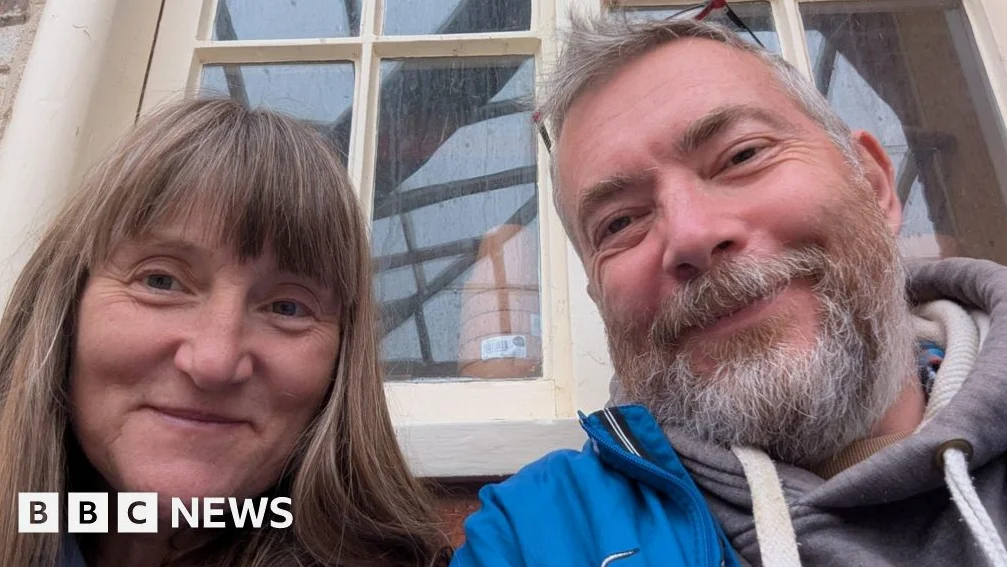
Ruth Harvey, a 55-year-old mother of two from Taunton, Somerset, collapsed unexpectedly during a walk in Salisbury in 2021. Her partner, Simon Parker, 54, performed CPR immediately, keeping her alive until paramedics arrived. The incident has sparked renewed calls for more people to be trained in CPR to improve survival rates during out-of-hospital cardiac arrests.
Life-Saving Training Makes All the Difference
Parker, who had previously received CPR training, said he initially struggled to recognize the severity of the situation. He described the moment as confusing at first, but after realizing the gravity of the situation, he began performing CPR. He said it took him a while to recall the correct technique, but the timely arrival of bystanders and paramedics helped him continue the procedure effectively.
Harvey was rushed to the hospital and survived after 25 minutes of CPR. According to medical professionals, without immediate intervention, the chances of survival would have been extremely low. Doctors were unable to determine the cause of her cardiac arrest, adding to the complexity of the situation.
“They estimated 25 minutes after I had the cardiac arrest they could feel a pulse again — and this was just with them doing CPR,” Harvey said in a recent interview. Her experience highlights the importance of immediate action in cardiac emergencies.
Low Survival Rates Highlight Crisis
According to the Sudden Cardiac Arrest UK (SCA UK), there are approximately 34,000 out-of-hospital cardiac arrests in England each year. However, fewer than 10% of those affected survive. This stark statistic reveals a critical gap in public preparedness for such emergencies.
Gareth Cole, a trustee at SCA UK, emphasized that CPR is the most crucial factor in increasing survival rates. “It will buy time. It will give the patient an element of blood flow around their body,” he said. He added that without CPR, the chances of survival are “zero.”
Cole noted that most cardiac arrests occur at home, often involving family members or close friends. “The overwhelming odds are people will be performing CPR on a family member or a friend,” he said. This reality highlights the need for widespread CPR training within households and communities.
The British Heart Foundation has made CPR training accessible through a free online tool that takes only 15 minutes to complete. The initiative aims to equip more people with the skills needed to respond effectively in emergencies.
What’s Next for CPR Awareness
With the recent incident drawing attention to the importance of CPR, public health officials and organizations are pushing for increased awareness and training. Local councils, schools, and community groups are being encouraged to integrate CPR training into their programs.
Parker, who has since become an advocate for CPR education, said, “Being able to have that training and know I know what to do. There’s something I can do which makes such a difference.” His experience has inspired others to take the training seriously.
Experts predict that with more people trained in CPR, survival rates for out-of-hospital cardiac arrests could improve significantly. The British Heart Foundation and SCA UK are working to expand their outreach efforts, aiming to reach more than 1 million people with CPR training by the end of 2025.
As the public becomes more aware of the critical role CPR plays in saving lives, the hope is that more people will be prepared to act in emergencies. The message is clear: learning CPR could be the difference between life and death for someone close to you.






Comments
No comments yet
Be the first to share your thoughts