

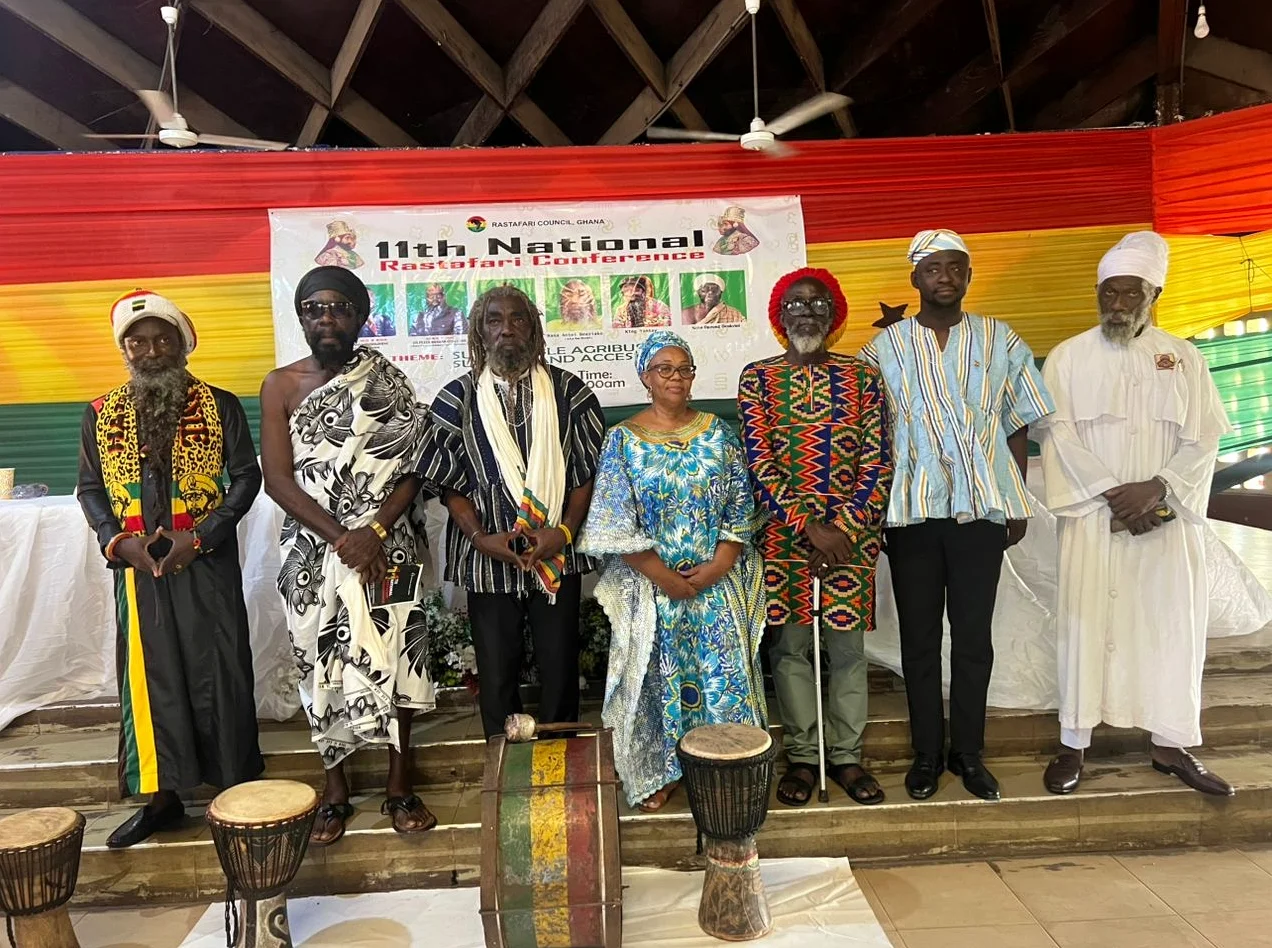
Ghana’s Director of the Presidential Initiatives in Agriculture and Agribusiness (PIAA), Dr Peter Boamah Otukunor, has urged young people to embrace agriculture as a profitable business, capable of meeting their economic needs. His remarks were made during the 11th National Rastafari Conference in Kumasi, where he outlined several initiatives and plans to support youth in the agricultural sector.
Expanding Agricultural Opportunities
Speaking through a representative, Mr Emmanuel Owusu, a Programmes Coordinator at PIAA, Dr Otukunor emphasized the importance of agriculture in driving economic transformation and strengthening food security. He noted that the directorate has already distributed over three million coconut seedlings to farmers nationwide, aiming to boost local production and economic activity.
Dr Otukunor also introduced a range of upcoming initiatives, including the Youth in Cocoa Farming, Youth in Aquaculture, and the Youth Agriculture Estate Programme. These programs are designed to engage young people in the agricultural sector through training, resources, and market access.
In addition to these initiatives, the PIAA has partnered with Maphlix Trust Ghana Ltd to launch a vegetable outgrower scheme covering around 6,000 acres across selected regions. Farmers participating in the program will receive inputs, technical support, irrigation assistance, and structured market access, enabling year-round vegetable production for both domestic and international markets.
Support for Hemp Cultivation
The President of the Rastafari Council, Ghana, Ahuma Bosco Ocansey, echoed the call for economic empowerment through agriculture, noting that this year’s conference theme, ‘Sustainable Agribusiness: Support and Access,’ aims to unite Rastafari members in promoting ethical farming and self-reliance.
Ocansey praised the government for legalizing the cultivation of hemp for industrial and medicinal purposes. However, he called for an urgent review of the current hemp licensing process, which he said creates barriers for ordinary farmers and limits local production. He expressed full support for a legal challenge filed by a farmer in Techiman, Mariam Alhassan, which seeks to replace the current licensing regime with a tiered system that would allow more farmers to participate in hemp production.
‘The current licensing regime will keep out the ordinary farmer,’ Ocansey said. ‘It’s essential to cut the red tape to unlock the export potential of the hemp plant and ensure economic justice.’
Ocansey also highlighted the importance of the legal challenge, noting that it could pave the way for more equitable access to hemp farming and help farmers realize the economic benefits of cultivating the plant for both medicinal and industrial use.
Emphasis on Family Values and Community Engagement
During the conference, New York-based attorney Empress Marina Blake advised participants to uphold strong family values, emphasizing that a strong family is the foundation of a strong nation. Her remarks underscored the importance of community and family in driving economic and social progress.
The conference was preceded by a tree-planting exercise at the Rastafari Unification Foundation Camp at Lake Bosumtwi and the Repatriation Camp of Rastafari at Mpataase. Leaders of the camps, Nana Antwi Bosiako and King Yankee, were present, and Rastafari members from across the country attended the event.
The initiatives and discussions at the conference highlight the growing recognition of agriculture as a key driver of economic growth and youth empowerment. With over three million coconut seedlings already distributed and new programs aimed at engaging young people in farming, the government and civil society are working together to transform agriculture into a profitable and sustainable sector.
According to Dr Otukunor, the PIAA’s programs are not only aimed at increasing food security but also at creating jobs and improving the livelihoods of young people. The partnership with Maphlix Trust Ghana Ltd and the vegetable outgrower scheme are expected to have a significant impact on the agricultural sector, providing farmers with the resources and support needed to thrive.
As the government continues to roll out new initiatives and review existing policies, the focus remains on ensuring that young people have the opportunities and support they need to succeed in agriculture. The upcoming legal challenge on hemp licensing is a key issue that could shape the future of the sector and provide more farmers with access to this lucrative crop.
With the Rastafari Council and other stakeholders actively involved, the push to make agriculture a profitable business for the youth is gaining momentum. The initiatives being implemented are expected to have a lasting impact on the economy and the lives of young people in Ghana.





Comments
No comments yet
Be the first to share your thoughts