

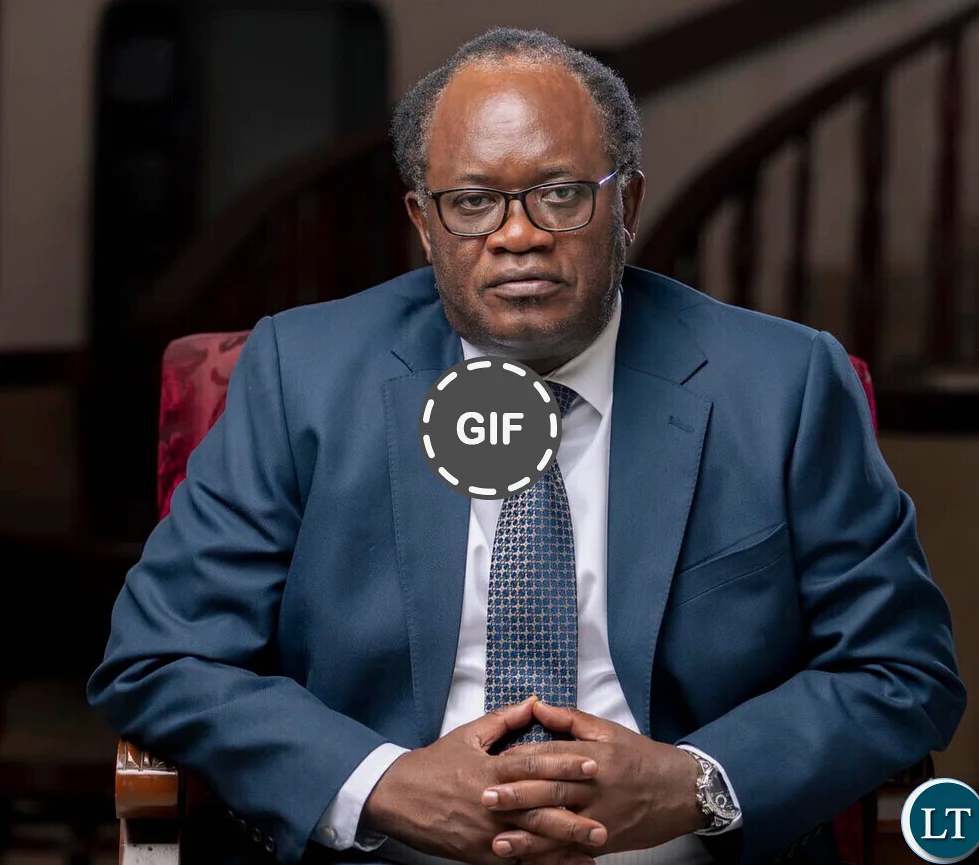
Zambian government spokesperson Mweetwa has publicly challenged opposition leader Mundubile, urging him to abandon his political ambitions and consider other opportunities outside of the political arena. The comments come amid growing tensions between the ruling party and the opposition, with Mweetwa accusing Mundubile of clinging to a long-defunct political movement.
Political Relevance and Party Structure
In a recent interview with the media, Mweetwa stated that the Forum for Democracy and Development (FDD), which Mundubile leads, has never formed a government and lacks strong national structures. He emphasized that it is highly unlikely for someone who abandoned his original party to lead what he described as a long-defunct political party and expect to win an election.
Mweetwa argued that Mundubile should face reality and consider other opportunities outside of politics. He claimed that the opposition leader is merely massaging his political ego by suggesting that he could one day form a government. The spokesperson further criticized Mundubile for attempting to rally support from a party that, in his view, no longer has the necessary infrastructure or credibility to compete in national elections.
Mweetwa also addressed the recent allegations by Mundubile that the government is panicking and seeking his arrest due to the perceived threat posed by the opposition. He dismissed these claims as unfounded, stating that the ruling party is not afraid of a political movement led by someone who abandoned his original party.
Challenging Allegations and Calling for Accountability
Mweetwa, who also serves as Chief Government Spokesperson, recently questioned why investigative agencies had not pursued Mundubile over theft allegations previously raised by Chishimba Kambwili. He asked, ‘What can we be scared of? A dead party led by a person who abandoned his party? Someone who is leading a ghost congregation of politicians whose legacy speaks for itself?’
His remarks come at a time when the opposition has been making bold claims about the government’s vulnerability. However, Mweetwa refuted these claims, stating that the ruling party is not shaken by individuals who were heavily defeated in previous elections, despite allegedly benefiting from government machinery and denying others the chance to campaign.
Mweetwa added that it is misguided for Mundubile to claim that the ruling party fears what he described as a non-existent opposition. He further stated that Zambians are unlikely to vote back leaders who, in his view, failed in governance. Those who believe they still enjoy public support, he said, will face reality in the upcoming August general election.
Mweetwa’s comments highlight the growing political divide in Zambia, with the ruling party seeking to undermine the credibility of the opposition. His statements suggest that the government is preparing for a strong showing in the upcoming elections, where it believes its current leadership will be vindicated by the public.
Implications for the August General Election
The August general election is shaping up to be one of the most competitive in Zambia’s history. With the opposition making bold claims about the government’s vulnerability, Mweetwa’s recent comments are likely to be used as a rallying point for the ruling party’s supporters.
Analysts suggest that the ruling party’s strategy is to discredit the opposition by highlighting its lack of structure and credibility. This approach is aimed at preventing the opposition from gaining momentum in the lead-up to the election.
According to recent opinion polls, the ruling party is currently leading in most regions, but the opposition has made gains in key urban centers. This has led to increased speculation about the potential for a close race, particularly in the capital, Lusaka.
The political landscape in Zambia is becoming increasingly polarized, with both sides preparing for a highly contested election. Mweetwa’s recent remarks are likely to be interpreted as a warning to the opposition that they must either prove their viability or risk being seen as a fringe political movement.
As the election approaches, both the ruling party and the opposition are expected to ramp up their campaigns. The outcome of the election will have significant implications for Zambia’s political future, including its economic policies and international relations.
In the coming weeks, both sides are expected to make key announcements and reveal new initiatives aimed at winning public support. The ruling party has already begun mobilizing its base, while the opposition is focusing on highlighting the government’s failures in governance.
The political situation in Zambia is evolving rapidly, and the next few months will be crucial in determining the direction of the country. As Mweetwa has stated, the opposition must either prove its relevance or consider other opportunities outside of politics.






Comments
No comments yet
Be the first to share your thoughts