

 BBC
BBC 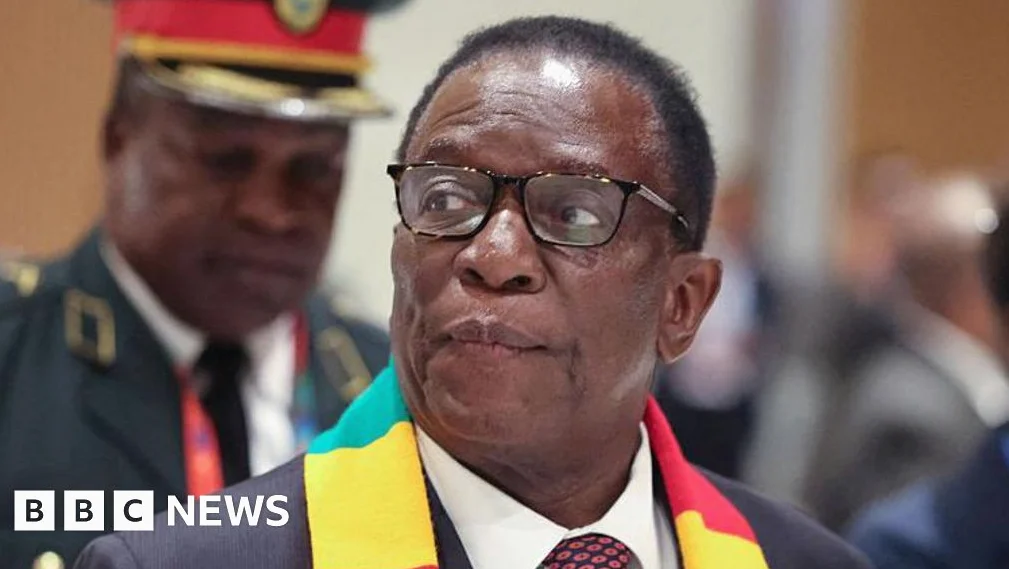
Zimbabwe’s ruling Zanu-PF party is pushing forward with constitutional amendments that would scrap direct presidential elections and extend the president’s term from five to seven years, a move that has sparked fierce debate and opposition across the country. The proposed changes, which would transfer the power to elect the president from voters to parliament, have led to growing fears among opposition circles that the ruling party is attempting to consolidate its grip on power.
Opposition Figures Call Move a ‘Slow Coup’
Veteran opposition politician and former finance minister Tendai Biti told the BBC that the proposed constitutional changes are essentially a ‘slow coup’ unfolding in Zimbabwe. Biti, who is currently out on bail after being accused of holding an unauthorized public meeting, criticized the plan as a move to undermine democratic processes and entrench Zanu-PF’s dominance.
Zanu-PF, which has been in power since Zimbabwe’s independence in 1980, has defended the proposed amendments, claiming they are necessary to reduce costs and controversy associated with presidential elections. Party spokesman Patrick Chinamasa stated, ‘There’s nothing that stops us to change, to go to another system that’s less costly, less controversial.’
Public Hearings Highlight Polarization
The proposed constitutional changes have caused deep polarization, with public hearings held recently to allow citizens to voice their opinions. Thousands attended a public hearing in Harare, with many expressing support for extending President Emmerson Mnangagwa’s term beyond 2028. Some participants argued that term limits should be extended to seven years and that members of parliament should be allowed to elect the president.
However, when the microphone was moved to the area where critics of the bill were seated, the event turned chaotic. There were reports of pushing, shoving, and even the snatching of mobile phones. Opposition lawyer Fadzayi Mahere accused Zanu-PF supporters of inciting the commotion to prevent critics from registering their dissent.
Chinamasa denied that Zanu-PF supporters were responsible for the unrest, stating, ‘What reason what do we have as Zanu-PF to be violent when the masses are behind us? The opposition does not accept that their view is failing to prevail.’
Opposition Claims Repression and Threats
The opposition has accused the government of a new wave of repression, with several of their meetings being banned by the police in the run-up to the hearings. Lovemore Madhuku, leader of the National Constitutional Assembly, said he was beaten by masked assailants last month as police allegedly watched.
Biti, who leads the Constitution Defenders Forum, has warned that Zimbabwe is returning to its repressive past. ‘We have a history of repression in Zimbabwe,’ he told the BBC. ‘This is not new, but it is alarming to see it resurface.’
The proposed bill is expected to be passed by parliament in the coming weeks, following a campaign that began in 2024 with the slogan ‘2030 – he (Mnangagwa) will still be the leader.’ For supporters of the 83-year-old president, the changes are seen as a way to promote political stability and economic development, which have been progressing since Mnangagwa took office in 2018.
Chinamasa defended the proposed changes, stating that they aim to end the ‘toxic’ presidential election campaigns that have often led to violence and disputed results. ‘As you know, any election of the president – and it’s not just Zimbabwe alone – violence is associated with a popular vote,’ he told the BBC.
Critics, however, argue that the bill is a step toward recreating the ‘imperial presidency’ that existed under Robert Mugabe’s 37-year rule. The 2013 constitution, which restricted a president to two terms and required a referendum for any extension, was meant to prevent such a scenario. Biti and others argue that the proposed changes violate these constitutional safeguards and could be challenged in court.
Zanu-PF, on the other hand, claims that the amendments are constitutional, as the two-term limit remains, but the term length is simply being extended to seven years. However, critics fear that the party may be moving toward scrapping term limits altogether. Biti warned, ‘If they can get away with two years, what stops them from getting away with 20 years?’
Chinamasa dismissed concerns about a ‘dramatic shift’ in governance, stating that the party’s goal is to continue political stability and economic development. ‘When his time is up, we will choose other leaders,’ he said. For the opposition, however, the changes mark a return to the authoritarian practices of Mugabe’s era, with Biti stating, ‘They are making the mistake that Mugabe made. That of closing [the democratic] space absolutely.’





Comments
No comments yet
Be the first to share your thoughts