

Operation Details and Key Statistics
The coordinated operation. Which took place between June 8 and 12, involved 40,000 officers across Africa, the Americas, Asia, and Europe, according to BBC. Interpol and Europol played central roles in the effort, which led to the arrest of more than 1,000 individuals and the identification of 2,070 victims or potential victims. The majority of those identified were women, and 334 arrests were specifically for human trafficking, while 690 were for associated crimes.
Victim Origins and Trafficking Methods
Victims came from 45 countries. With the majority originating from Argentina, Colombia, Venezuela, Moldova, and Nepal, according to Interpol, but many were lured across borders through deception, coercion, or by targeting their vulnerable situations. A notable trend involved Latin American victims trafficked for forced labor in Europe, with about 10% of identified victims being minors from the Americas subjected to sexual exploitation.
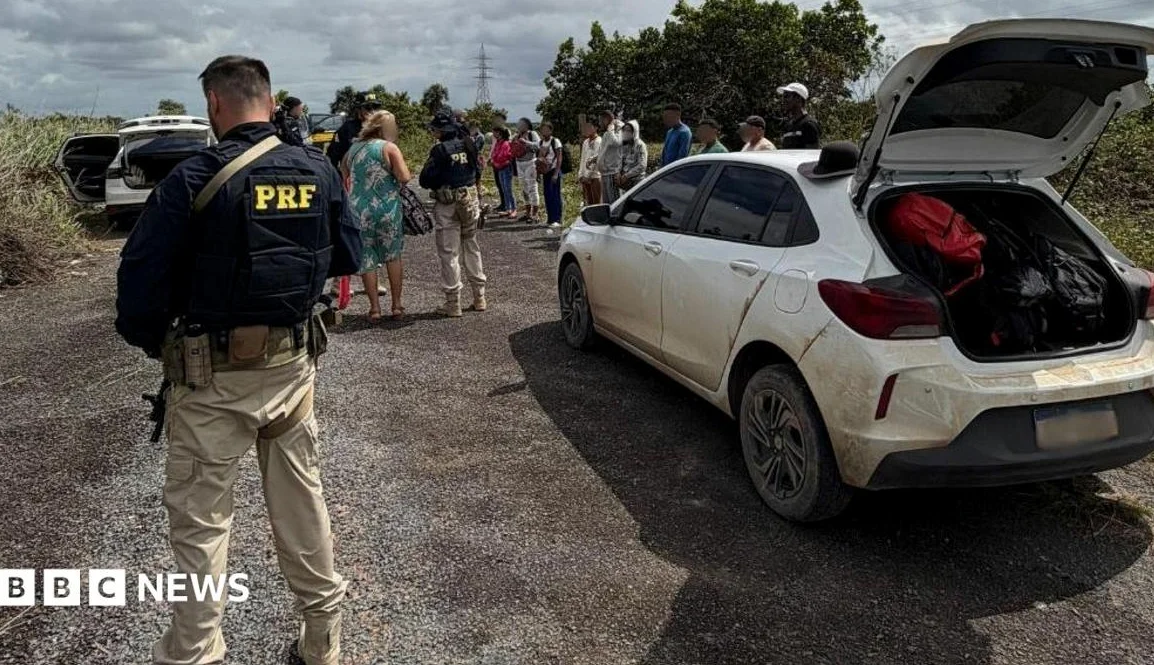
Brazil’s Federal Police identified 406 victims,83 Brazilians and 323 foreign nationals,of a transnational network trafficking individuals to Cambodia, where they were forced into online scamming — Interpol issued two Red Notices and nine Blue Notices targeting suspects and persons of interest. In Argentina. Police rescued two Bolivian child victims exploited in a grocery store and arrested traffickers, uncovering a larger network of exploitation.
Operation Impact and Support for Victims
Two international command centers were set up in Skopje, North Macedonia, and Rio de Janeiro, Brazil, to facilitate real-time intelligence sharing and coordinated enforcement actions, according to Interpol. Participating countries used Interpol’s secure I-24/7 communication network, as well as Europol and Ameripol channels, to coordinate efforts; Border checks produced 20 hits against existing Interpol notices, and 17 new notices were issued during the operation.
Belgian authorities arrested 17 suspects after dismantling a trafficking network that recruited underage girls via social media and forced them into prostitution rings in Belgium and France. Colombia launched an airport prevention campaign to raise awareness about fraudulent job offers abroad, as all victims identified during the operation, referred to as Operation Global Chain, were referred to national protection and support services.
Most victims were trafficked for sexual exploitation, while 20% were forced into criminality, 11% into labor, and 2% into forced begging, according to the BBC report.





Comments
No comments yet
Be the first to share your thoughts