

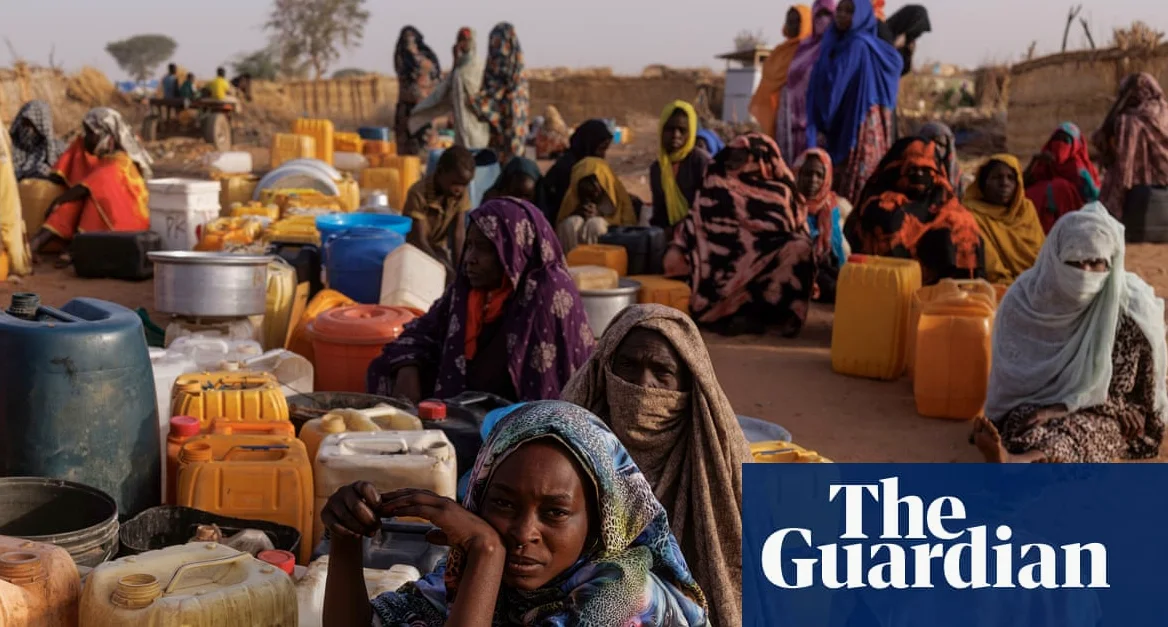
Internal displacements caused by violence or conflict reached a record high in 2025, with conflict-driven displacements surging by 60% compared to the previous year, the International Displacement Monitoring Centre (IDMC) reported. The number of people living in internal displacement remained near record levels, at 82.2 million, the second-highest figure ever recorded. ‘Never have we recorded such a staggering number of displacements related to conflict,’ said IDMC director Tracy Lucas. ‘As conflicts are intensifying, it is often the same people who are uprooted again and again. Yet the systems meant to protect them are being dismantled.’
Iran and DRC Account for Two-Thirds of Conflict-Driven Displacement
Emerging, escalating and entrenched conflicts forced people to move repeatedly within their countries. Iran and the Democratic Republic of Congo (DRC) were among the most affected, with 10 million and 9.7 million internal displacements respectively, together representing two-thirds of conflict-related displacements globally. Meanwhile, in Colombia, the start of 2025 was marked by a rekindling of armed group confrontations, especially in the Catatumbo region of Norte de Santander. In mid-January, the National Liberation Army (ELN) launched an offensive against Major Armed Forces of Colombia (FARC) dissidents, claiming the lives of over 80 people, mostly civilians, and prompting the government to declare a state of emergency for 90 days.
Disaster-Driven Displacement Also on the Rise
Disasters such as storms, floods, and wildfires continued to drive large-scale internal displacement in 2025. While disaster-related displacement dropped by 35% compared to the record high of 2024, it remained 13% above the annual average of the past decade. Wildfires emerged as an increasingly significant driver of displacement globally, accounting for more than 694,000 displacements in 2025—the second-highest figure recorded in the past decade. Despite these figures, the total number of internally displaced people fell slightly compared to 2024, partly due to reported returns, many of which occurred under fragile conditions.
Colombia Sees Mixed Trends in Violence
Colombia experienced a complex shift in patterns of violence under President Gustavo Petro’s administration. While reported deaths from violence by armed groups decreased by 8% in the first 30 months of Petro’s administration, civilians continued to be caught in the crossfire as armed groups expanded their control. In some areas, civilians were seen as military targets and faced forced recruitment, confinement, or displacement. Armed groups increasingly used landmines and IEDs to halt enemy advances. Despite slight improvements in some dimensions of the conflict, civilians did not experience a respite from violence, particularly in regions where armed groups contested territory. ‘While armed groups mostly targeted civilians to assert their authority in a new territory or when their territory was contested by a rival group, deadly displays of violence became less necessary when they achieved full territorial control,’ the Armed Conflict Location and Event Data (ACLED) project noted.




Comments
No comments yet
Be the first to share your thoughts