

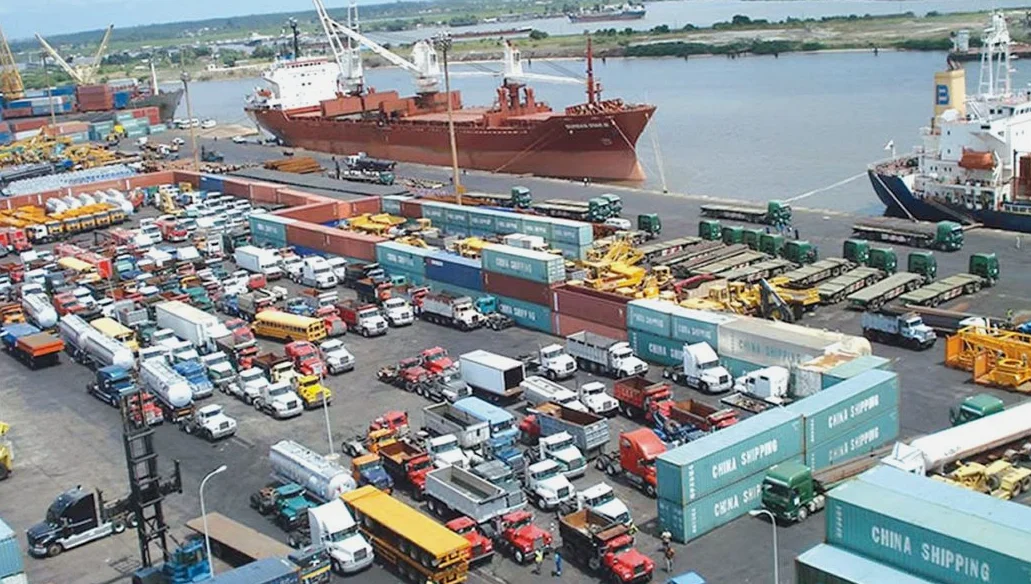
The Nigerian Ports Authority (NPA) has reported that 21 vessels are currently unloading petroleum products and various cargo at major ports in Lagos, including Apapa, Lekki, and Tin Can Island. The disclosure was made in the NPA’s daily Shipping Position bulletin, released to journalists in Lagos on Saturday.
Key Commodities Being Unloaded
The vessels are discharging a wide range of goods, including aviation fuel, premium motor spirit (petrol), diesel, bulk gas, cargo trucks, and bulk wheat. Additional shipments include bulk alkaline materials, general cargo, sugar, fresh fish, soya bean oil, clinker, and containerised goods.
According to the NPA, the variety of cargo reflects the diverse needs of Nigeria’s economy, which relies heavily on imported fuel and food supplies. The unloading operations are expected to continue through the week as more vessels arrive.
Upcoming Arrivals and Supply Chain Impact
The NPA has confirmed that 41 additional vessels carrying petroleum products, food items, and assorted goods are scheduled to arrive at Lagos ports between February 28 and March 7. These vessels will bring general cargo, bulk wheat, sugar, crude oil, fertiliser, salt, containerised goods, and petrol.
Officials said the anticipated arrivals will contribute to the national supply chain, ensuring that essential goods such as fuel and food remain available to meet domestic demand. With Nigeria’s population exceeding 220 million, the consistent flow of imports is critical to maintaining economic stability and preventing shortages.
According to the NPA’s latest report, 17 vessels have already arrived at Lagos ports but are currently waiting to berth. These vessels are carrying commodities such as bulk urea, diesel, aviation fuel, crude oil, ethanol, bulk wheat, general cargo, and bulk pallets.
Importance of Lagos Ports in National Economy
Lagos ports serve as the primary gateway for imports and exports in Nigeria, handling over 90% of the country’s maritime trade. The current activity highlights the importance of these ports in sustaining economic operations and ensuring that essential goods reach markets across the country.
Analysts have noted that the steady flow of vessels is a positive sign for the economy, especially in the wake of previous disruptions caused by port congestion and infrastructure challenges. The NPA has been working to improve efficiency and reduce delays, which have historically impacted supply chains and increased costs for businesses.
According to a recent report by the Nigerian Institute of Industrial Economics, the efficient operation of Lagos ports is crucial in maintaining the competitiveness of Nigerian industries. Delays at the ports can lead to increased prices for imported goods, which in turn affect the cost of living for ordinary citizens.
The NPA’s bulletin also highlights the need for continued investment in port infrastructure to meet the growing demands of maritime trade. With Nigeria’s economy projected to grow by 2.5% in 2026, the demand for imported goods is expected to increase, putting further pressure on the ports to handle larger volumes of cargo efficiently.
As the scheduled arrivals continue, the NPA will monitor the situation closely to ensure smooth operations and prevent any disruptions that could affect the supply of essential goods. The authority has also urged stakeholders to cooperate in maintaining the efficiency of port operations.






Comments
No comments yet
Be the first to share your thoughts