

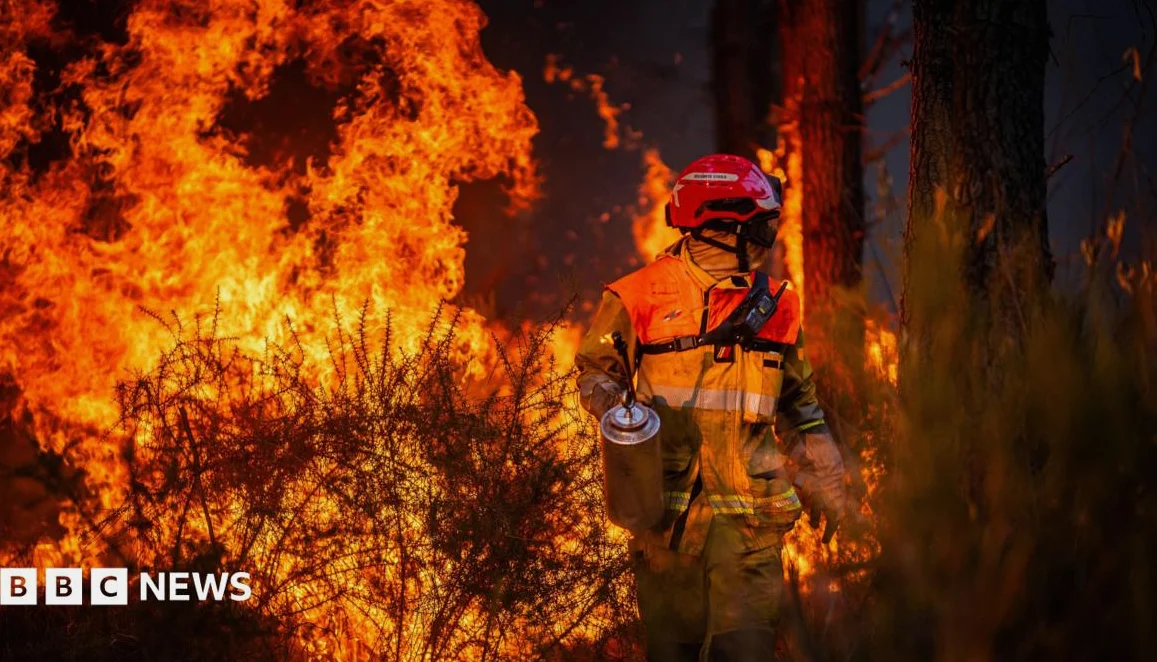
French authorities have arrested 420 individuals, including 166 minors, in connection with this summer’s wildfires, according to the BBC; the interior ministry is investigating cases in which people are alleged to have started fires either deliberately or by accident. The arrests come as the country contends with one of the most severe fire seasons in recent history, with more than 300,000 acres scorched.
Legal challenges and questionable prosecutions
Among the most serious cases is that of a 23-year-old man accused of deliberately starting 10 fires in the southeastern Var region within five days, while If convicted, he faces up to 15 years in prison and a €150,000 fine, according to the BBC. In another case, a man was sentenced to three years in prison for starting three fires in the Vosges region. “Only a few square metres of vegetation went up in smoke,” noted L’Est Républicain, the newspaper that covered the incident.
However, some prosecutions have raised concerns. A homeless man and another individual with severe autism reportedly received prison sentences for allegedly throwing cigarette butts that sparked fires. Muriel Gestas, a lawyer who has represented several accused arsonists, including two firefighters, described the number of arrests as “excessive” and doubted whether many will lead to convictions. Le Monde, a leading French newspaper, has also questioned the thoroughness of police investigations, given the short time frame.
Climate change and human responsibility
While the government seeks to assign blame to individuals, it is itself under scrutiny for its preparedness to handle the growing frequency and intensity of wildfires. Records indicate that nine out of 10 wildfires in France are started by humans. However, climate change is also a major factor. As temperatures continue to rise due to the burning of fossil fuels, the risk of wildfires increases, according to the BBC.
French officials are facing pressure to balance criminal accountability with the reality of a changing climate and systemic challenges in fire prevention. The government has not yet released an official statement addressing criticism of the arrests or the broader preparedness issue.
Public and media reactions
Public opinion is divided. Some support the strict enforcement of laws to deter arson and negligence, while others argue that the justice system is overstepping. The media, too, is split. Le Monde and other outlets have raised questions about the fairness and effectiveness of the prosecutions. Critics argue that focusing too much on individual blame may obscure larger systemic issues related to climate adaptation and emergency response.
The case of the 23-year-old accused of deliberately igniting 10 fires highlights the severity of some incidents. Yet, as Gestas pointed out, the legal process may not yield many convictions. This has led to calls for a more balanced and subtle approach to wildfire management, one that considers both individual and systemic responsibilities.






Comments
No comments yet
Be the first to share your thoughts