

 BBC
BBC 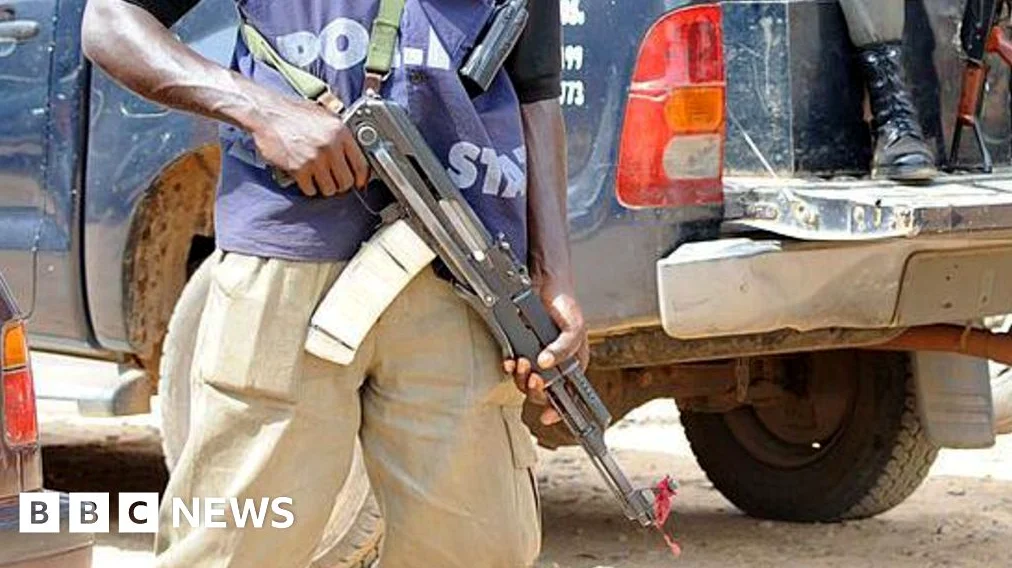
Residents of Jos. The capital of Plateau state in central Nigeria, are under a 48-hour curfew imposed after a violent attack on a bar that triggered a wave of retaliatory violence. According to local reports. The incident left 12 people dead initially, followed by 10 more fatalities in a mob retaliation — the curfew began at midnight local time and is expected to last until 1 April, as security forces work to restore calm in the region.
Attack and Aftermath
The attack occurred when unidentified gunmen opened fire at a bar in Jos, killing 12 people; In the wake of the assault, a mob retaliated against suspected attackers, leading to the deaths of 10 additional individuals. The violence quickly escalated, with local residents reporting chaos in the area. Paul Mancha. Chairperson of the youth council in Plateau state, told Reuters that the death toll could be higher, with many more people receiving treatment in hospitals.
“People were here in the evening and unfortunately, wicked terrorists came and attacked our people,” Mancha said. “We have counted scores of people who are now dead and then so many others are also in the hospital receiving treatment.”
Plateau state governor Caleb Manasseh Mutfwang announced the curfew in a public statement, condemning the killings as “barbaric and unprovoked.” He said an investigation had been launched to identify and prosecute those responsible. “Security agencies have been directed to pursue those responsible and bring them to justice,” Mutfwang said.
Context of Violence in Plateau State
Plateau state has long been a hotspot for ethnic and religious tensions, with frequent clashes between mainly Muslim herders and largely Christian farmers over access to land and water points. These conflicts have often led to cycles of revenge and violence, complicating security efforts in the region.
According to local reports. Threats had been posted on social media before the attack, suggesting that the violence was not entirely spontaneous; the attack has once again highlighted the fragile security situation in the area and the ease with which violence can disrupt daily life.
Security forces were deployed swiftly after the incident, with troops and other personnel moving to secure the area and restore calm, while Residents have been ordered to stay indoors as security personnel intensify patrols and maintain a visible presence across the affected areas.
Broader Security Challenges in Nigeria
The attack in Jos is part of a broader pattern of insecurity across Nigeria, where multiple security threats persist in different regions. In the north-east, an Islamist insurgency continues to destabilize the area, while the north-west and central regions face challenges such as banditry and kidnappings.
Security analysts note that these overlapping pressures have stretched Nigeria’s security resources and complicated response efforts. The attack in Jos shows the persistent fragility of local security arrangements and the urgent need for effective measures to prevent further escalation.
While authorities insist the situation is under control, the imposition of a curfew highlights the seriousness of the threat and the urgency of preventing further violence. The 48-hour curfew, which began at midnight local time, is expected to remain in force until 1 April, as security forces work to restore order in the region.
Residents of Jos have been advised to remain indoors during the curfew period, as security personnel intensify their presence in the affected areas. The attack has once again drawn attention to the complex and often volatile security landscape in Nigeria, particularly in central regions like Plateau state.
With the curfew in place, the focus now shifts to the investigation into the attack and the broader security challenges facing the region. The Nigerian government has been urged to address the root causes of the violence, including ethnic tensions and resource conflicts, to prevent similar incidents in the future.



Comments
No comments yet
Be the first to share your thoughts