

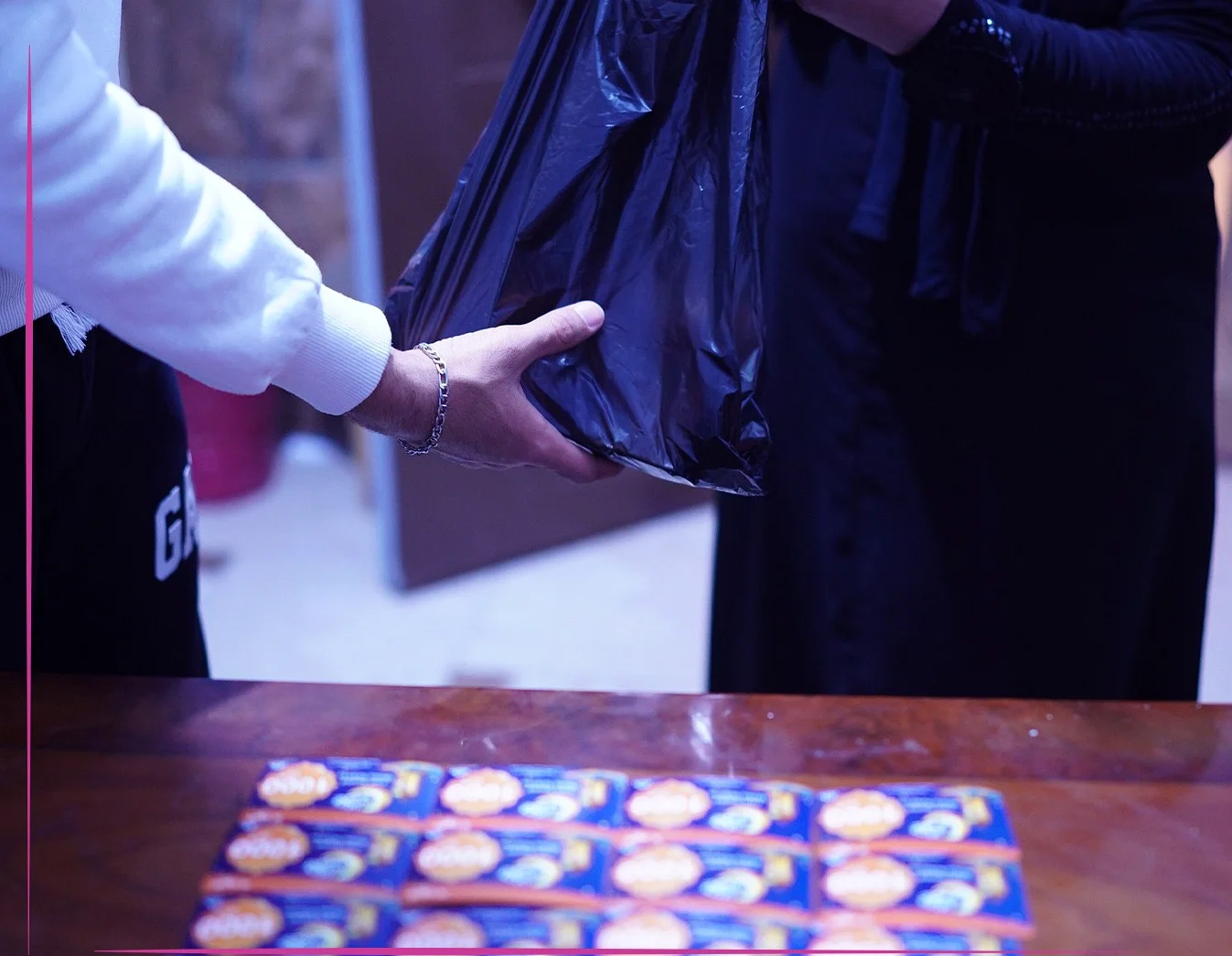
Egypt’s government has launched the Abwab al-Kheir initiative, a seasonal charity program aimed at providing food to the country’s most vulnerable during Ramadan, sparking debate over its effectiveness and role in social protection. Prime Minister Mostafa Madbuly announced the initiative on Tuesday, describing it as a thorough social protection effort. The program involves the distribution of dry food boxes and hot meals to millions of Egyptians, but critics argue it reflects a decline in state investment in long-term social safety nets.
Expanding Hunger Amid Rising Poverty
According to data obtained by Mada Masr from the Central Agency for Public Mobilization and Statistics (CAPMAS) in a 2025 investigation, Egypt’s poverty rate climbed to 34 percent in 2022, up from 29.7 percent in 2021. Extreme poverty rose to 5.81 percent over the same period. With a population of over 104 million, this translates to more than 36 million people living in poverty and six million in extreme poverty.
Despite these figures, state expenditure on social protection has declined in recent years. The Abwab al-Kheir initiative, launched in 2024, is part of a broader trend of increasing state control over charity work, raising questions about transparency, inclusivity, and the balance between government intervention and civil society efforts.
Charity as State-Led Social Protection
Madbuly presented the initiative as a partnership between the Social Solidarity Ministry and the Tahya Masr Fund, a state-sponsored charity account established in 2014. The fund, which operates under direct presidential oversight, has received billions of pounds in donations from businessmen, including those with close ties to the government. It has also engaged in business and investment activities, including the right to establish its own companies or buy shares in existing ones.
The initiative aims to provide more than four million hot meals through kitchens affiliated with the Tahya Masr Fund and the Social Solidarity Ministry. Additionally, over 5.5 million dry food boxes will be distributed across the country. The government has also announced the establishment of an outlet in the new administrative capital to distribute boxes to staff, security personnel, and maintenance workers.
Tahya Masr Fund Executive Director Tamer Abdel Fattah stated that “hundreds of tons of chicken and meat” will be used to prepare the meals. The initiative will be divided into convoys, with governors receiving boxes to distribute according to “verified databases.”
Charity, Data, and the Question of Inclusivity
While the government emphasizes the use of verified data to ensure targeted distribution, concerns persist about the accuracy and impartiality of these databases. A source involved in charity work noted that data collection in low-income areas is often tied to political parties close to the government, leading to potential corruption and nepotism.
Salma Hussein, an independent researcher specializing in social and economic justice, emphasized the need for coordination between different entities, including ministries and governors, to ensure that efforts complement each other. However, she also warned that existing data may not fully capture the needs of the most vulnerable.
Another source in the charitable sector said their agency was required to submit reviews of charity accounts and a percentage of donations directly to a state agency. They added that the government cannot fully replace civil society in identifying and addressing local needs, as it lacks the necessary grassroots connections and understanding.
“They can’t replace this work. They don’t have the tools on the ground,” the source said. “The government’s role should not be charity.”
While the initiative is framed as a form of social protection, experts argue that it does not represent a sustained investment in long-term social safety nets. Instead, it is a seasonal, supplementary effort that relies on in-kind support rather than stable, ongoing financial assistance.
Hussein noted that in-kind subsidies, such as the food boxes and meals provided by Abwab al-Kheir, do not offer the same level of security as cash-based social protection programs. “With in-kind subsidies, you know that each month you will receive a specific amount, that you have a card that gives you certain rights each month,” she said. “Social protection policies provide individuals with protection, as well as a stable situation they can rely on.”
The initiative is also linked to the government’s shift toward cash-based support, a move influenced by recommendations from International Monetary Fund (IMF) programs. However, this approach has not resolved concerns about the targeting of aid and the potential for exclusion of the most vulnerable.
As Egypt continues to grapple with rising poverty and economic instability, the role of initiatives like Abwab al-Kheir remains under scrutiny. Whether it can effectively address the needs of the most vulnerable or merely serve as a temporary solution remains to be seen.





Comments
No comments yet
Be the first to share your thoughts