

 BBC News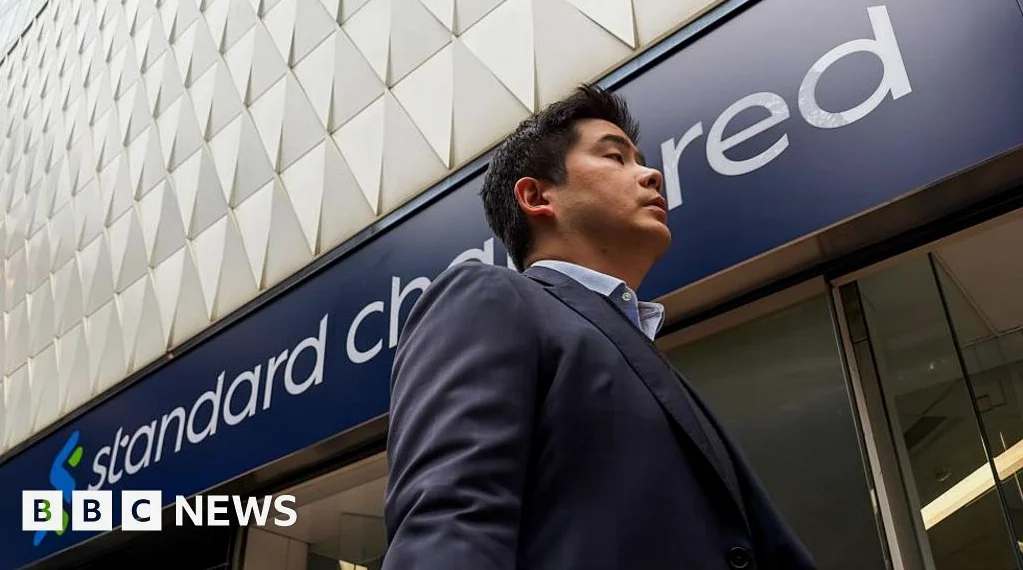
Standard Chartered. A UK-based banking giant. Will cut more than 15%. Or around 7. 800. Of its back-office roles by 2030, according to a statement from the firm, the bank aims to replace these positions with automation and AI to simplify operations and improve decision-making.
Automation Driving Major Restructuring
Chief Executive Bill Winters said the cuts are not purely a cost-cutting measure but rather a strategic shift. “It’s not cost-cutting. It’s replacing in some cases lower-value human capital with the financial capital and the investment capital we’re putting in,” he said — the affected roles are primarily in back-office centers located in Chennai, Bengaluru, Kuala Lumpur, and Warsaw.
Global Trend in AI-Driven Job Cuts
Standard Chartered is not the only company making major adjustments to its workforce due to AI. In April, Meta, the parent company of Facebook, announced it would cut 10% of its workforce,about 8,000 staff—as it shifts more resources to AI projects. Amazon also cut more than 30,000 jobs in January, while Oracle laid off over 10,000 workers.
According to research from Morgan Stanley, more than 200,000 European banking jobs could be at risk by 2030 due to AI, representing about 10% of industry roles in the region. The bank has a global workforce of nearly 82,000, with over 52,000 in back-office roles, and is among the first major global banks to publicly link job cuts to AI adoption.
“We are scaling practical uses of automation, advanced analytics, and artificial intelligence to simplify processes, improve decision-making, and enhance both client service and internal efficiency,” the bank said in a statement.
Strategic Transformation and Future Growth
The job cuts are part of a broader global strategy to boost profitability and speed up operations. The move comes as the bank nears the end of a decade-long transformation from a potential takeover target to a more profitable lender. Standard Chartered has also announced higher shareholder return targets as part of its strategy update.
Bill Winters will remain with the bank for the next few years to oversee the implementation of the strategy, addressing speculation about leadership transitions after his 11-year tenure. The bank also said it is using AI to automate parts of its core banking system, which it sees as a key enabler of future efficiency.
StanChart’s strategy includes a focus on resilience amid geopolitical uncertainty, particularly in its key markets in Asia and Africa. Analysts have warned that prolonged conflicts, such as the Iran situation, could lead to higher loan-loss provisions if energy costs rise and economic growth slows.
In December 2024, the, pay later company Klarna said it had stopped hiring for a year, as AI took over tasks previously handled by hundreds of employees. This mirrors a trend where companies are slowing hiring as they rely more on technology to fill gaps in operations.
Standard Chartered said it will also look to retrain some of the affected workers for other roles within the company. The bank has not disclosed where the specific job cuts will occur, though it has major back-office operations in India, China, Malaysia, and Poland.






Comments
No comments yet
Be the first to share your thoughts