

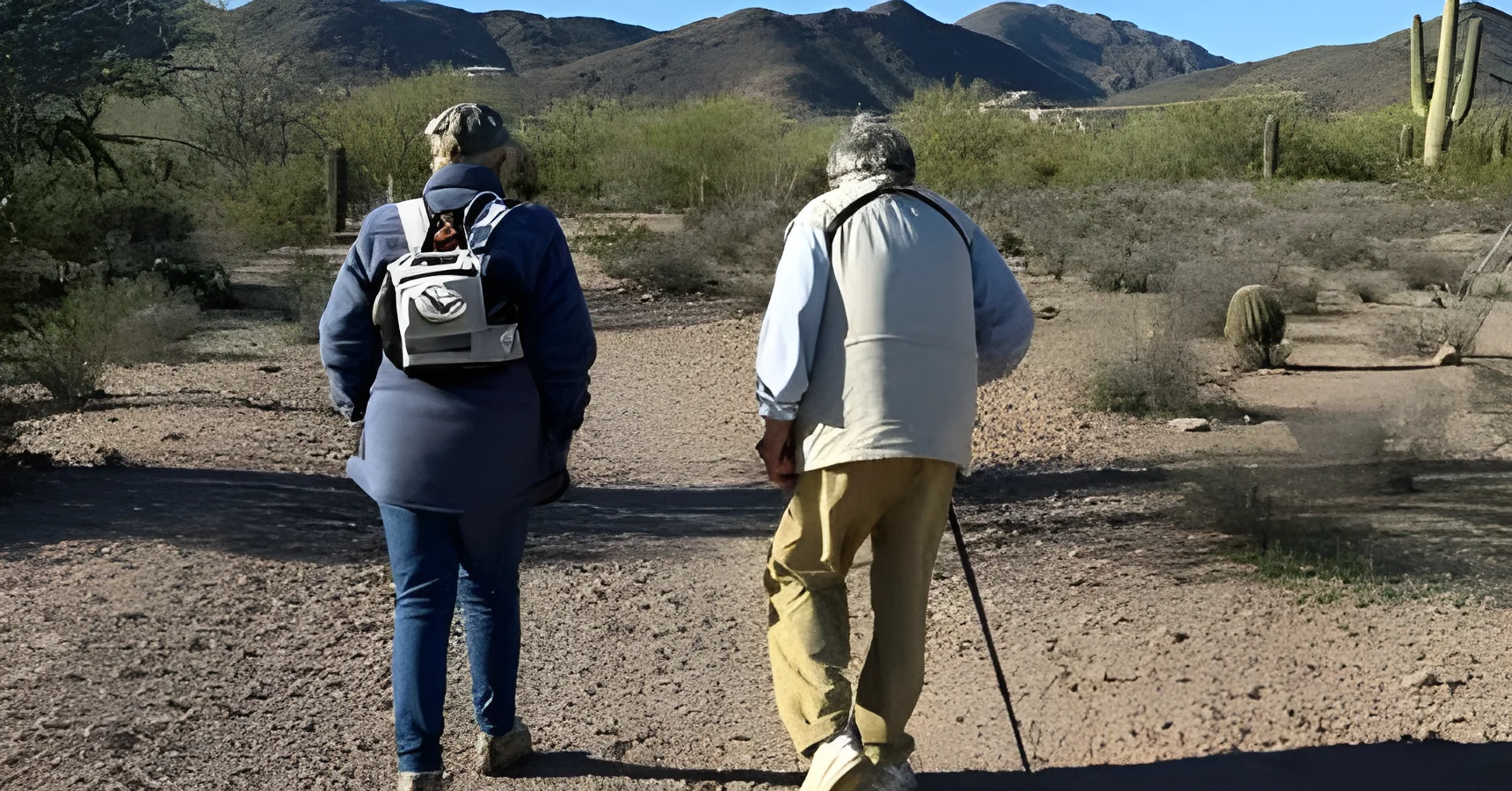
TUCSON, Ariz. — Marcia OBara, a retired nurse with chronic obstructive pulmonary disease (COPD), wears an oxygen pack as she leads a group of nature enthusiasts on a flat, accessible trail in Tucson. The group carries walking sticks, moves at their own pace, and enjoys the company of fellow birders without pressure or competition. This is Birding for Every BODY, one of several monthly accessible excursions organized by the nonprofit Tucson Bird Alliance in partnership with Pima County.
Adapting Nature for All
These walks are part of a growing national movement to make birding and nature more inclusive for people with disabilities and other limitations. Traditional birding trips often focus on spotting as many species as possible, which can be stressful or inaccessible for some participants. OBara, who has led the accessible outings for three years, ensures that trails are easily navigable, bathrooms are accessible to mobility scooters and wheelchairs, and that water, shade, and seating are available. She also adjusts the pace of the walk as needed, based on the group’s needs.
“I used to work in rehab, so I usually know what people need,” OBara said. While the walks are open to individuals using wheelchairs and mobility scooters, she noted that few of them attend, often due to concerns about keeping up with the group. “We’d encourage them to come,” she said.
Community and Nature in Harmony
During one of her walks in February, OBara pointed out a phainopepla, a slender, crested bird perched on a mesquite tree, and quacking mallards swimming in nearby ponds. Participants like Rhea Guertin, a retired Rhode Island resident who spends four months each winter in Tucson, said the walks offer a chance to simply be outside and not think of anything else. Guertin uses a walking pole for stability and said she enjoys the slower pace.
Evelyn Spitzer, a retired Tucson-area teacher with a heart condition and lingering effects from a recent surgery, also uses a walking pole. Both she and Guertin emphasized the sense of community and the joy of being in nature without the pressure of competition.
A National Effort to Include All
The movement to make birding more accessible dates back at least to 2018, when retired Texas teacher Virginia Rose founded the nonprofit Birdability. Rose, who has used a wheelchair since a spinal injury at age 14, aims to ensure that birding is truly for “everybody and every BODY,” regardless of disability. Cat Fribley, Birdability’s executive director, said the group supports people with mobility issues, blindness or low vision, chronic illness, intellectual or developmental disabilities, mental illness, and neurodivergence.
Fribley, who uses a mobility scooter for multiple disabilities, said she can bird for five or six miles on accessible paths in her residential community in Iowa City, Iowa. “In the winter, I bird on my back deck with my coffee,” she said. Birdability has also partnered with the National Audubon Society to create a crowdsourced map of accessible birding locations nationwide and provides resources for able-bodied birders to be more inclusive.
Innovative Tools and Approaches
Occupational therapist Freya McGregor, who runs Access Birding, recommends adaptive tools like binocular harnesses, which are strapped around the back and chest for easier use. McGregor, who has a permanent knee injury, trains state parks and local Audubon chapters on how to make trails more accessible. Other approaches include birding from a car, a canoe, or even a kitchen window, depending on individual needs.
Birdability’s website also offers resources such as car-window mounts for cameras and apps that help blind and visually impaired individuals identify and record birdsong. Jerry Berrier, a 73-year-old Massachusetts birder who has been blind since birth, uses his website, www.birdblind.org, to capture and share avian songs and calls with blind enthusiasts. He also launched the “Any Bird, Any Body” podcast with friend Gary Haritz and helped organize the first national bird-a-thon for blind participants in the U.S., which drew several hundred participants last year.
Expanding Access and Inclusion
Berrier said the bird-a-thon, which will go international this year on May 3-4, helps combat the isolation often felt by people with disabilities. “A disability can be very isolating,” he said. “We encourage people to reach out to local organizations to help blind people with the bird-a-thon.”
With initiatives like these, the movement to make birding accessible is growing. The emphasis is not only on physical accessibility but also on supporting inclusivity and community for people of all abilities. As more individuals with disabilities find ways to connect with nature, the impact on their mental health and quality of life becomes increasingly evident.






Comments
No comments yet
Be the first to share your thoughts