

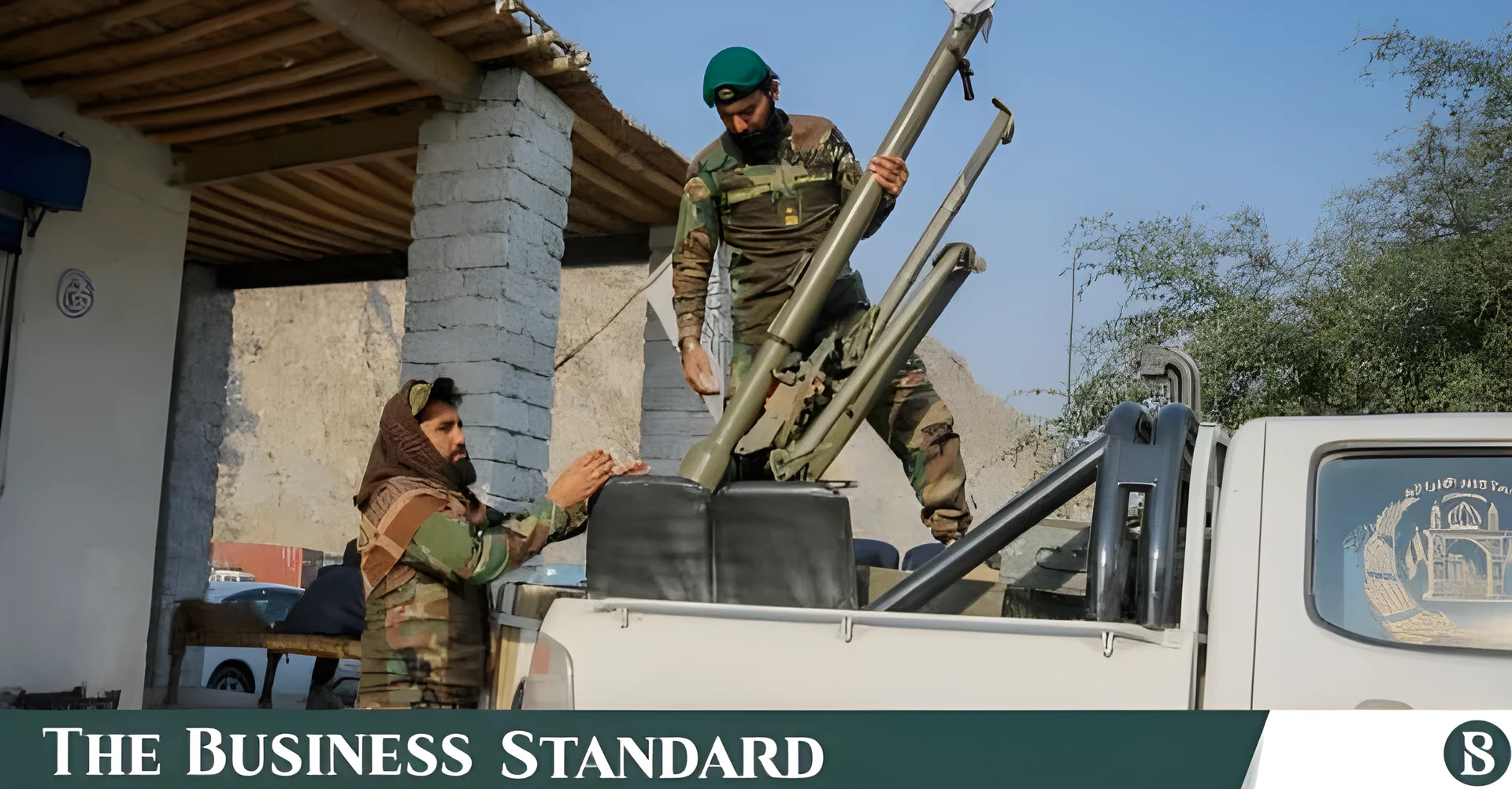
The Afghan Taliban has signaled openness to negotiations after Pakistan conducted air strikes on military targets in the capital, Kabul, and the southern city of Kandahar, where Taliban leadership is based. The strikes, which occurred on Thursday night, resulted in the deaths of dozens of troops and marked the first direct military action by Pakistan against the Taliban since the group’s return to power in 2021.
Escalation and Casualties
Pakistan described the situation as an ‘open war’ and confirmed that its forces had conducted air-to-ground missile attacks in response to alleged Afghan drone strikes on Pakistani military installations. According to security sources in Pakistan, the strikes targeted Taliban military offices and posts. Pakistan claimed to have shot down all the drones used in the attacks and reported no damage from them.
Meanwhile, the Taliban denied any involvement in supporting militant groups against Pakistan and accused Islamabad of similar actions. The Taliban claimed it had launched retaliatory attacks on Thursday but expressed a willingness to engage in dialogue.
According to Reuters, the strikes led to thick plumes of black smoke rising from two sites in Kabul, with video footage showing a significant blaze. A taxi driver in Kabul, Tamim, described hearing explosions after the bombs hit, saying, ‘Everyone, in panic, ran down from the second floor of the house. The ammunition inside the depot kept exploding on its own.’
Regional Impact and Diplomatic Efforts
The clashes have raised concerns about the potential for a protracted conflict along the 2,600-kilometer (1,615-mile) border between Afghanistan and Pakistan. Pakistan’s Defence Minister Khawaja Muhammad Asif stated that ‘our cup of patience has overflowed. Now it is open war between us and you (Afghanistan).’
Pakistan’s foreign ministry warned that any further provocations by the Taliban or any attempts by ‘terrorist groups’ to target Pakistanis would be met with a ‘measured, decisive and befitting response.’
Qatar, which previously facilitated a ceasefire between the two nations in October 2023, is now working with other countries to resolve the current crisis. The Afghan foreign ministry quoted Foreign Minister Amir Khan Muttaqi as saying, ‘Afghanistan has never been a supporter of violence and has always preferred to resolve issues based on mutual understanding and respect. However, this approach will be effective only if the other party demonstrates a practical and sincere willingness to find solutions.’
According to the Taliban spokesperson Zabihullah Mujahid, Pakistani forces carried out air strikes on parts of Kabul, Kandahar, and Paktia on Thursday night, as well as on Paktia, Paktika, Khost, and Laghman on Friday. While there were no casualties in the night strikes, there were civilian casualties in Friday’s strikes, though specific numbers were not shared.
Security and Historical Context
Pakistan has been on high security alert since it launched air strikes earlier this week, targeting camps of the Pakistani Taliban and Islamic State militants in eastern Afghanistan. The strikes reportedly killed 13 civilians, prompting the Taliban to issue warnings of a strong response.
Kabul and the United Nations have condemned the strikes, and Pakistan’s Punjab province has raised its security alert level, conducting a series of operations that led to the detention and deportation of 90 Afghan nationals.
The current tensions echo previous clashes in October 2023, which saw dozens of soldiers killed before negotiations facilitated by Turkey, Qatar, and Saudi Arabia brought an end to the hostilities. Analysts warn that the current situation could lead to a prolonged conflict unless diplomatic efforts succeed in de-escalating the situation.
Pakistan, a nuclear-armed nation, possesses significantly greater military capabilities than Afghanistan. However, the Taliban has experience in guerrilla warfare, honed through years of conflict with US-led forces before their return to power in 2021.
As the situation unfolds, the international community is watching closely, with hopes that dialogue can prevent further escalation and regional instability.






Comments
No comments yet
Be the first to share your thoughts