

 BBC
BBC 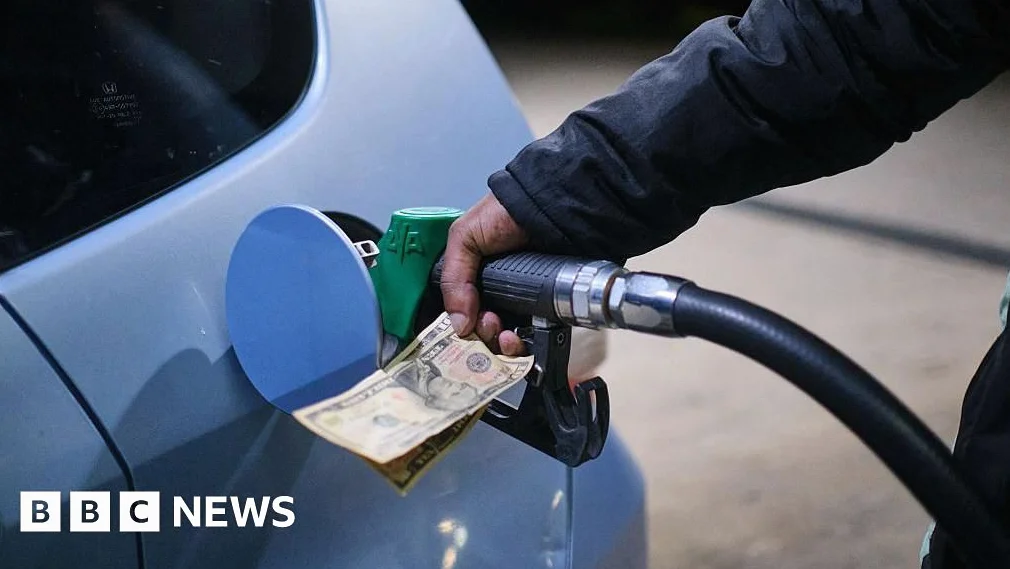
South Sudan and Mauritius have announced measures to restrict electricity consumption and manage fuel supplies, as the war between the US, Israel, and Iran has triggered a fuel crisis across Africa. According to the BBC. South Sudan has begun rationing electricity in its capital, Juba, while Mauritius has imposed restrictions to reduce energy waste, especially in high-power consumption areas.
Power Cuts in South Sudan
Juba’s main electricity distributor. Jedco, stated that parts of the city would start experiencing daily power cuts on a rotational basis. The distributor said the move was necessary due to the ongoing Iran-US conflict, which has disrupted fuel supplies. Jedco emphasized that it must proactively manage its available energy reserves and is prioritizing a strategic rationing of power.
South Sudan generates 96% of its electricity from oil, according to the International Energy Agency. However, the majority of its oil is exported, and the country imports refined products for fuel. The power rationing comes on top of intermittent cuts that have been ongoing since May last year due to maintenance operations.
Ereneo Mogga, an electrical engineer in one of the worst-affected areas of Juba, told the BBC that power often goes off at 16:00 and doesn’t return until 04:00 the next day. This has paralysed most businesses, he said, adding that some who can afford it are switching to solar power. However, the cost of solar power is still high, and the savings on electricity consumption are minimal.
Fuel Shortages and Price Hikes
In Mauritius, an island nation heavily dependent on oil imports for generating electricity, a shortage has reportedly triggered an energy emergency. According to the government, a shipment of oil that had been due to arrive over the weekend did not materialise, leaving the country with only 21 days of stock. Energy Minister Patrick Assirvaden said the government had obtained alternative fuel supplies from Singapore, which were due to arrive on 1 April and more later in the month, but at a higher cost.
Across the continent, the impact of the conflict is being felt in various ways. In Zimbabwe, the government has announced plans to increase the amount of ethanol used in petrol from 5% to 20%, while also scrapping some taxes on fuel imports to reduce prices. Fuel prices have risen 40% in less than a month, according to reports.
A street vendor in Harare, Nicole Mazarura, told the BBC that the cost of everything has shot up since the war in Iran began. She said she cannot raise the price of her soft drinks, forcing her to bear the loss, while her transport costs have doubled depending on the time of day and where she orders her products from. Mazarura said if transport costs return to where they were, she can survive.
Regional Responses and Supply Chain Effects
In Ethiopia, authorities have ordered fuel supply companies to prioritise security institutions, major government projects, key industries, and the manufacture of essential goods. The Ethiopian Oil and Energy Authority’s measures announced last week saw petrol stations prioritising public transport, as well as restrictions to conserve fuel. In the Tigray region, where there are fears of a return to civil war, authorities have announced a complete suspension of fuel supplies.
In Kenya, 20% of petrol stations are reportedly experiencing supply shortages. An association representing petroleum outlets in the country has cited high demand for fuel because of panic buying, with stock levels running low. Vivo Energy Kenya, which distributes Shell products and services in the country, said on Thursday that increased demand had resulted in ‘temporary stock-outs’ at some of its service stations. The company said it was monitoring the situation and working to ensure there was fuel in the affected sites.
Kenya’s energy ministry denied that there was a shortage of fuel, accusing retailers of hoarding the commodity in anticipation of higher prices. The minister, Opiyo Wandayi, urged Kenyans not to engage in panic buying. Neighbouring Uganda has assured citizens that the government is taking measures to ensure there is enough fuel, amid reports of shortages. The government has warned fuel distributors against increasing prices.
In South Africa, officials have said that the country has sufficient supplies but warn that a prolonged conflict could affect availability and prices in the coming months. ‘South Africa’s fuel supply remains stable in the immediate term, and there is no basis for panic buying,’ an official government statement said on Thursday.
Shifting Shipping Routes and Regional Impacts
Some ports and marine services in southern and eastern Africa could benefit from tankers and containers avoiding the Red Sea and the Strait of Hormuz, and sailing around the Cape of Good Hope. Senior Researcher at the Institute for Security Studies, Timothy Walker, said the new longer routes are going to put increasing pressure on many of the offshore port areas in southern Africa, including Walvis Bay, Cape Town, Durban, Maputo, and Dar es Salaam.
Walker told the BBC that ships will potentially be looking to stop at these ports to resupply themselves, pick up new food supplies, or new crew. This could lead to increased congestion and logistical challenges in the region.
Africa’s second-largest oil producer, Nigeria, could benefit from higher oil prices. It has offered to pump more oil to help meet global demand. However, even if the government and oil companies earn more revenue, ‘ordinary people may not feel the benefit immediately because if international petrol prices rise, transport costs increase everywhere,’ said Dumebi Oluwole, a lead economist from Lagos who specialises in oil.




Comments
No comments yet
Be the first to share your thoughts