

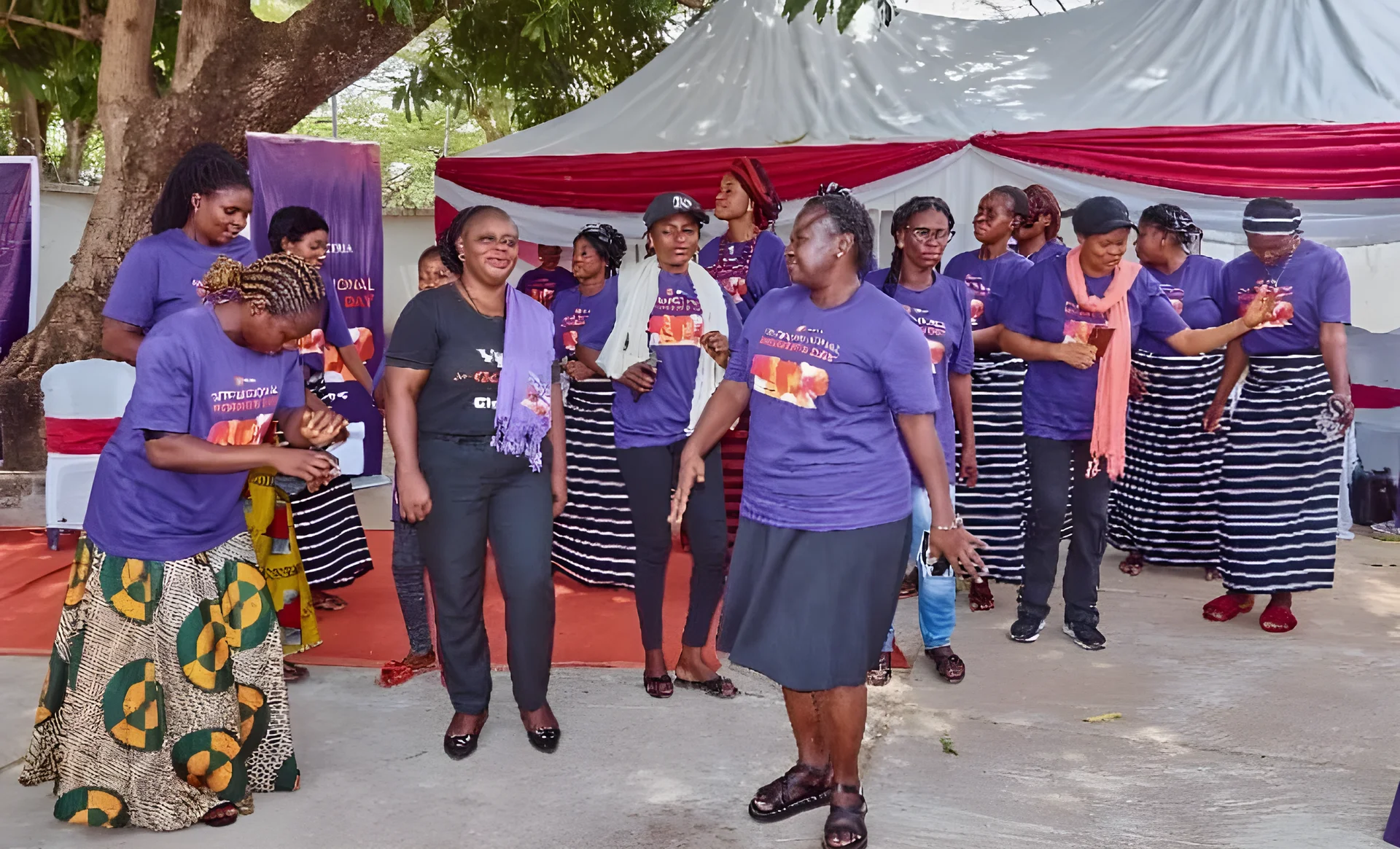
On March 9, 2026, the AIDS Healthcare Foundation (AHF) Nigeria will hold events across seven states to highlight the urgent need for support for women and young girls, particularly in the context of the ongoing HIV/AIDS crisis in sub-Saharan Africa. The organization is marking International Women’s Day with a call for action to address systemic inequalities and improve access to healthcare and education for women and girls.
Health Disparities and the HIV/AIDS Crisis
According to AHF Nigeria Country Programme Director Dr. Echey Ijezie, women and girls are disproportionately affected by the HIV/AIDS pandemic. In sub-Saharan Africa, they account for over 60% of new HIV infections, a statistic that highlights the need for targeted interventions.
Ijezie emphasized that despite decades of progress, gender-based violence, limited access to healthcare, and restrictions on reproductive rights continue to entrench disparities. He noted that millions of women and girls lack access to affordable menstrual health products and thorough sexual and reproductive health education, which compromises their dignity, mobility, and opportunities.
“Access to affordable menstrual health products and thorough sexual and reproductive health education also remain out of reach for millions, compromising dignity, mobility and opportunity,” Ijezie said in a statement signed by AHF Nigeria’s Marketing and Advocacy Manager, Steve Aborishade.
Community and Policy Action
AHF Nigeria is calling on leaders, policymakers, and communities to turn their commitments into concrete actions that accelerate development for women and young girls. Ijezie reminded stakeholders that when women thrive, entire communities benefit.
“When individuals, organisations and communities give women and young girls the opportunities and support they deserve, the whole community thrives,” he said.
As part of its International Women’s Day observance, AHF Nigeria will host a ‘Continuous Medical Education (CME)’ session for health workers in over 156 healthcare facilities across the seven states where the organization operates. The session will focus on the gendered impact of the HIV/AIDS pandemic and how to better support women, particularly in rural communities.
“AHF Nigeria places enormous value on women and girls in the society, and it is the reason why our programmes are anchored around impacting women and young girls,” Ijezie said.
Future Commitments and Advocacy
AHF Nigeria has pledged to continue prioritizing the needs of women and girls by advocating for policies that protect and uplift them. This includes distributing free menstrual products, combating gender-based violence, and expanding access to HIV/AIDS services.
Ijezie reiterated the organization’s commitment to ensuring that every woman and girl can lead a healthy, empowered life. “We will continue to prioritise issues that affect women as we call on everyone – leaders, policymakers and communities – to turn their commitments into action to accelerate development for women and young girls,” he said.
The events on International Women’s Day 2026 mark a continuation of AHF Nigeria’s ongoing efforts to address health disparities and promote gender equality. With over 60% of new HIV infections in sub-Saharan Africa affecting women and girls, the organization is urging a sustained focus on this critical issue.
The CME sessions, scheduled for March 9, will bring together healthcare workers from across the seven states where AHF Nigeria operates. These sessions are designed to equip health professionals with the knowledge and tools needed to better serve women in rural communities, where access to healthcare services is often limited.
The organization’s advocacy efforts include not only medical interventions but also broader social and policy changes. By addressing the root causes of health disparities and promoting gender equality, AHF Nigeria aims to create a more equitable future for women and girls in Nigeria and beyond.






Comments
No comments yet
Be the first to share your thoughts