

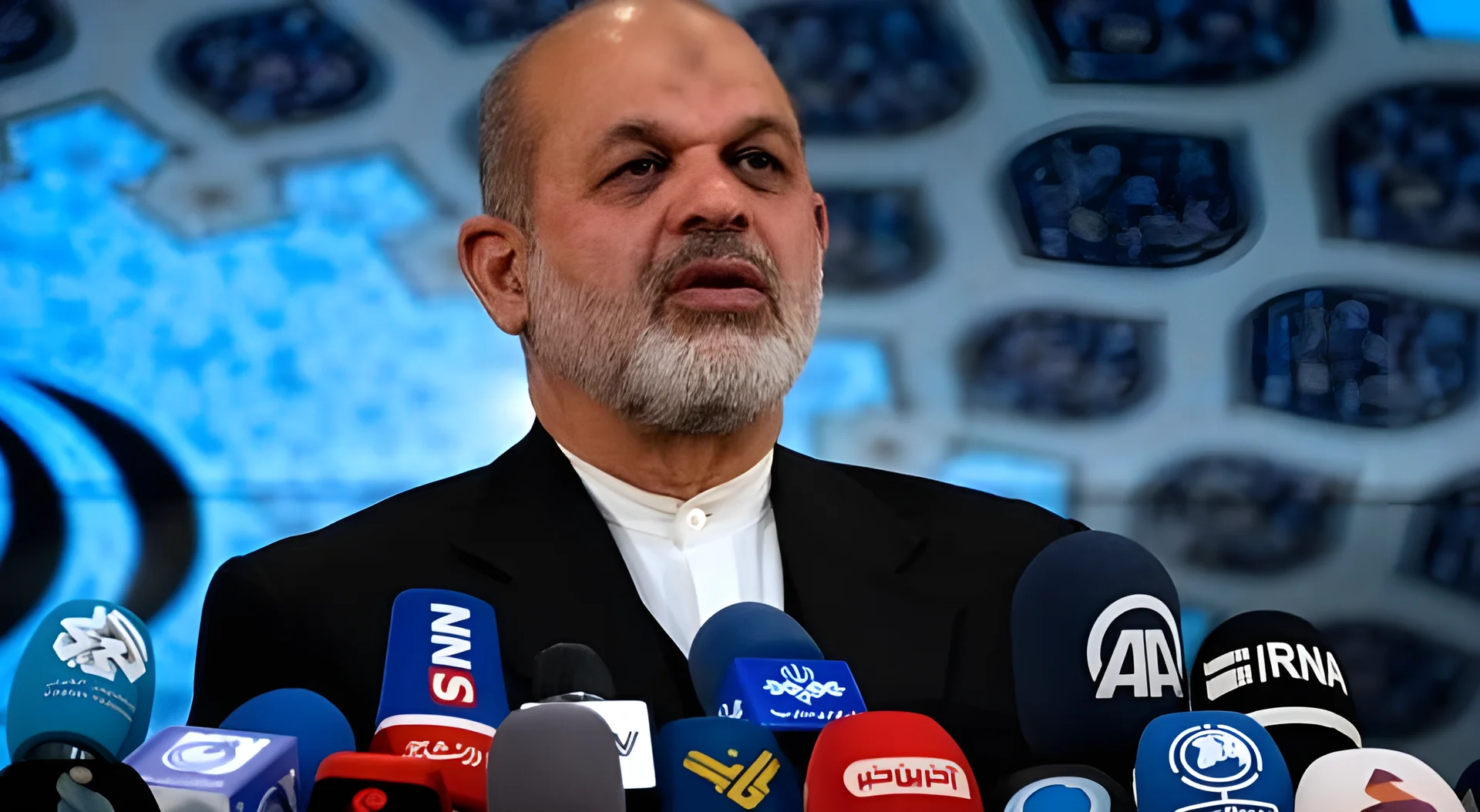
Brigadier General Ahmad Vahidi has been designated as the new Commander-in-Chief of the Islamic Major Guard Corps (IRGC), reported Daily Iran News. This appointment comes amid significant upheaval in Iran’s military and political landscape following the deaths of Mohammad Pakpour, the former IRGC commander, and Ayatollah Ali Khamenei, the country’s Supreme Leader, in a series of US-Israeli attacks.
Impact on Regional Stability
The IRGC, an elite force responsible for safeguarding the Islamic Republic and extending Iranian influence internationally, is key to Tehran’s security strategy and regional operations. Its role in managing Iran’s military and political affairs is now under the leadership of Vahidi, who has a long-standing history within the organization.
The situation arises following the death of Mohammad Pakpour, the former Commander-in-Chief of the IRGC, who was killed in the US-Israeli strikes. In response, Tehran has pledged significant retaliation against the attacks that have disrupted the political and military framework of the nation.
In light of Khamenei’s passing, the Iranian government has declared a period of 40 days of mourning. The declaration follows reports from Iranian state media confirming the death of Khamenei, which were initially announced by US President Donald Trump.
Vahidi’s Background and Role
A seasoned military officer, Vahid Shahcheraghi, known as Ahmad Vahidi, was designated as the deputy commander-in-chief of the IRGC in December 2025. He has previously held the positions of Minister of Defence and Minister of Interior.
As a founding member of the IRGC, Vahidi has previously led the Quds Force, which is responsible for Iran’s external military operations and regional military networks. His new role as the Commander-in-Chief of the IRGC positions him at the forefront of Tehran’s military response to the recent strikes.
Vahidi has been instrumental in formulating Iran’s asymmetric warfare strategy and establishing regional alliances. His appointment signals a strategic shift in how Iran will handle its military and political challenges in the aftermath of the attacks.
Reaction and Future Moves
In a statement disseminated by Iranian state media, the Major Guards declared their readiness for a thorough retaliatory campaign. The statement conveyed a mix of mourning and celebration regarding what it termed the “proud martyrdom” of Ayatollah Ali Khamenei.
The statement further hailed the supreme leader as a “devout scholar, the standard-bearer of the Islamic Revolution’s martyrs, and the rightful deputy of Imam al-Mahdi.”
While Iranian officials are yet to release an official statement regarding this appointment, the reported decision follows considerable turmoil within Iran’s military and political landscape. The loss of two key figures — Pakpour and Khamenei — has left a leadership vacuum that Vahidi is now expected to fill.
Analysts suggest that Vahidi’s leadership could lead to a more aggressive stance in the region, given his experience in external military operations and asymmetric warfare. His track record in managing the Quds Force, which has been active in various conflicts across the Middle East, may influence Iran’s next steps in response to the attacks.
The upcoming 40 days of mourning may also serve as a period of consolidation for the new leadership, with the IRGC expected to make strategic decisions on how to proceed in the wake of the attacks. The situation remains fluid, and the international community is closely watching for any escalation in tensions.
Comments
No comments yet
Be the first to share your thoughts