

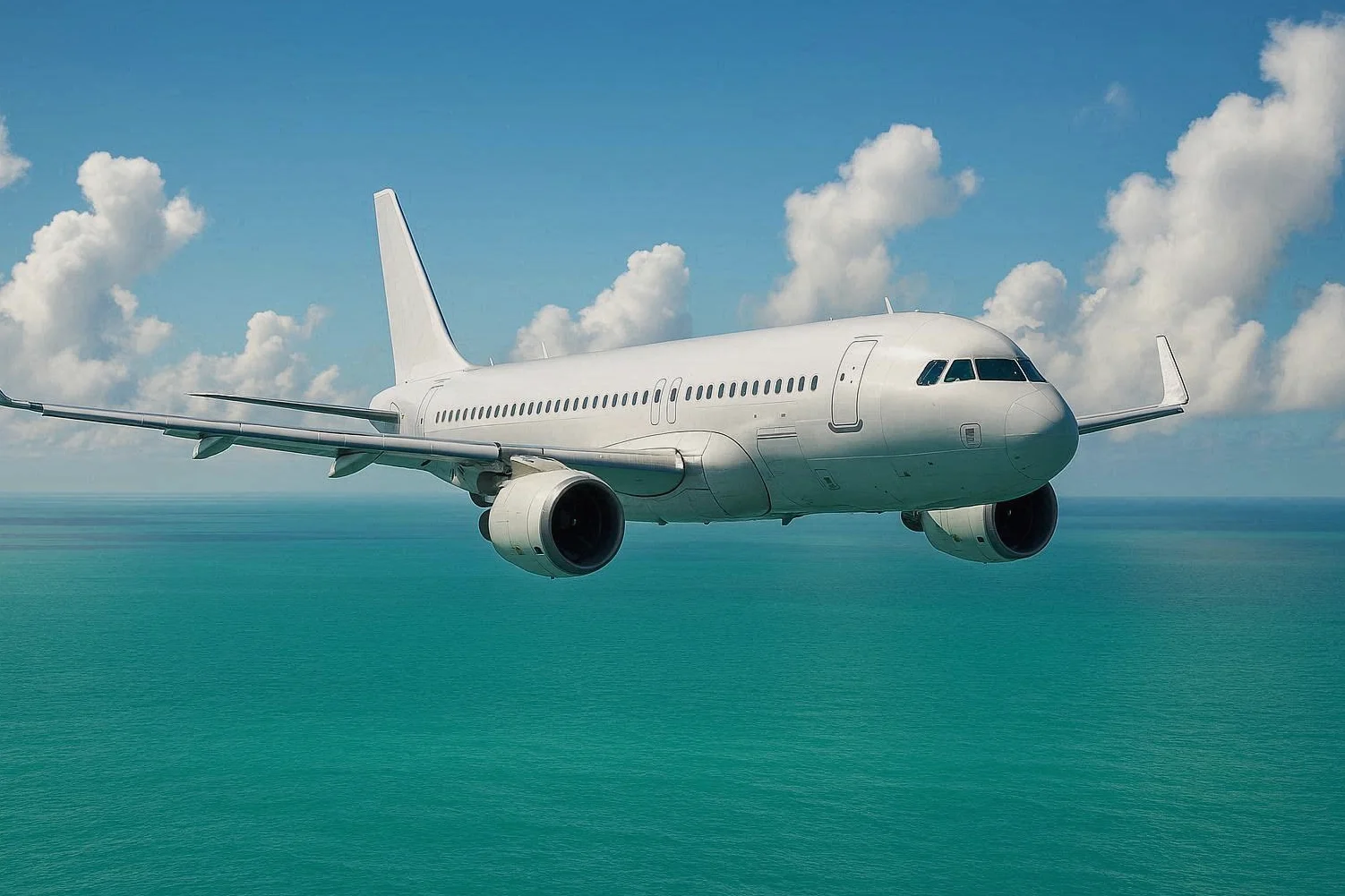
AirAsia has announced a major shift in its Australian network, suspending two key international routes from Darwin to Bali and Kuala Lumpur. The airline’s decision to scale back operations in Northern Australia follows a year of underwhelming passenger demand, which did not meet commercially sustainable levels. From late April 2026, both the Darwin-Denpasar and Darwin-Kuala Lumpur routes will be discontinued, marking a significant realignment in AirAsia’s Australian operations.
Strategic Reassessment of Darwin Market
AirAsia entered the Darwin market less than a year ago with the aim of strengthening links between Northern Australia and Southeast Asia. However, despite initial optimism, the demand for flights on these routes fell short of expectations. The airline has acknowledged that passenger numbers on these routes were below the threshold needed to sustain operations in the long term.
According to AirAsia, the decision to suspend the Darwin-Denpasar and Darwin-Kuala Lumpur services is part of a broader strategy to improve its network and focus on routes with higher demand. Darwin International Airport will see a reduction in services, with passengers being notified directly. The airline has pledged to process refunds via its MOVE app within 14 days of the suspension.
Despite this setback, AirAsia remains committed to expanding its presence in Australia, with an overall focus on catering to larger, more popular travel markets. The airline emphasized that the changes are not indicative of a reduced interest in the Australian market but rather a realignment of resources to better meet consumer demand.
Boost for Melbourne and Other Major Cities
While Darwin loses two important international connections, Melbourne stands to benefit from AirAsia’s strategic reallocation of resources. From March 21, 2026, AirAsia will launch a new Melbourne to Denpasar service, which will add approximately 130,000 seats annually. This expansion is designed to meet the strong demand for Bali as a top tourist destination for Australian travellers.
The new route reflects Bali’s continued popularity among Australians, with the Indonesian island being a sought-after holiday location. By focusing on Melbourne, AirAsia aims to capture a larger share of the outbound leisure market, while simultaneously increasing aircraft utilization. The move comes as part of the airline’s broader effort to strengthen its network in primary gateway cities like Melbourne and Sydney.
In addition to the Melbourne-Denpasar route, Adelaide and Perth will also see increased frequencies for flights to Bali. The Adelaide-Bali service will rise from four to seven weekly flights, with up to ten services during peak seasons. Meanwhile, Perth will maintain its four daily flights to Bali, amounting to 28 weekly services. These changes reflect AirAsia’s focus on increasing capacity on its most popular and profitable routes.
Expansion Plans and Future Growth
With these adjustments, AirAsia seeks to solidify its position as a leading budget carrier in the Australian market, connecting more travellers to Southeast Asia’s prime destinations, especially Bali. The airline has been re-evaluating the performance of various routes and adapting to changing travel patterns.
By focusing on high-demand routes like Melbourne to Bali and increasing the frequency of flights from Adelaide and Perth, AirAsia aims to maximize profitability and ensure sustainable growth. In the coming years, AirAsia plans to increase its Australian operations, expanding to up to 100 weekly services during peak travel periods in 2026. This represents a substantial increase from the 69 weekly flights the airline operated in 2025, highlighting its ongoing commitment to the Australian market.
In addition to its Bali routes, AirAsia is also looking to strengthen its Kuala Lumpur network from major Australian cities. Flights from Sydney and Melbourne to Kuala Lumpur will operate daily, with select services offering premium flatbed seating. AirAsia’s Perth-Kuala Lumpur route will run twice daily, increasing to three times daily during peak travel periods, which will provide passengers with even more options to connect to destinations across Asia.
This network expansion aligns with AirAsia’s goal of enhancing connectivity between Australia and Southeast Asia and beyond. The airline has also recently announced a new long-haul service from Kuala Lumpur to London, scheduled to commence in June 2026.
As AirAsia adapts to changing market dynamics, its Australian operations are ready for significant expansion, particularly in Melbourne, Perth, and Adelaide. By concentrating efforts on high-demand routes and investing in efficient aircraft utilization, AirAsia is positioning itself for continued growth in the highly competitive Australian aviation market.
While Darwin will lose two international connections, AirAsia’s overall commitment to expanding its footprint in Australia remains unwavering. The airline’s renewed focus on Melbourne-Bali and Sydney-Kuala Lumpur services, along with its broader Australian network expansion, signifies its long-term ambition to cater to the evolving demands of the Australian traveller.






Comments
No comments yet
Be the first to share your thoughts