

Gardening expert Alan Titchmarsh has shared his top seven drought-tolerant plants, highlighting their ability to thrive in sunny, well-drained conditions while reducing the need for frequent watering. In a recent YouTube video on his channel, Gardening With Alan Titchmarsh, he emphasized the importance of selecting plants that require minimal irrigation, particularly for gardens prone to dry spells during the summer months.
Key Characteristics of Drought-Resistant Plants
Titchmarsh explained that many of the plants he recommends have evolved in arid regions, allowing them to survive with minimal water once established. He stressed that the soil must be well-drained to ensure the plants’ success, noting that proper establishment is crucial, especially during the first growing season.
According to Titchmarsh, these plants can be a practical solution for gardeners looking to conserve water while maintaining a vibrant, colorful landscape. He said, ‘I’m always looking for ways to preserve water or use less water in my garden, and one way to do it is by including plants that can survive in drier conditions.’
Top Drought-Resistant Plants for Gardens
Among the plants Titchmarsh highlighted was catmint, a flowering plant that produces hazy blue flowers from summer into autumn. It is ideal for dry, well-drained borders and attracts pollinators. Titchmarsh recommended staking the plant to manage its height and cutting it back after the first flowering to encourage compact growth and continued blooms.
Another recommendation was Stipa tenuifolia, a graceful grass that grows to about 75cm and thrives in sunny, well-drained areas. Titchmarsh praised its ability to spread and create a ‘little forest’ when planted in the right conditions. He suggested using it as a buffer between brighter plants to add texture to the garden.
Cistus ‘Sunset’, a compact, semi-evergreen shrub, was also recommended for its vibrant pink flowers during late spring and summer. Titchmarsh noted that its hairy foliage makes it particularly well-suited for dry conditions, suggesting it be planted in long, narrow borders for a continuous display of color.
Eryngium ‘Magical White Lagoon’, known as sea holly, was highlighted for its spiky, holly-like leaves and striking white to blue flower heads. Titchmarsh called it a ‘firework plant’ due to its starburst buds that appear in mid to late summer. He also noted that its thick roots make it ideal for hot, dry gardens.
Other Drought-Tolerant Options
Titchmarsh also recommended the ‘Ever Sapphire’ agapanthus, a resilient, evergreen succulent with plum-tinged foliage and starry pink flowers. He noted that it thrives in sunny locations with excellent drainage and offers late nectar for pollinators. The plant is particularly useful in cooler regions and can be grown in containers or borders.
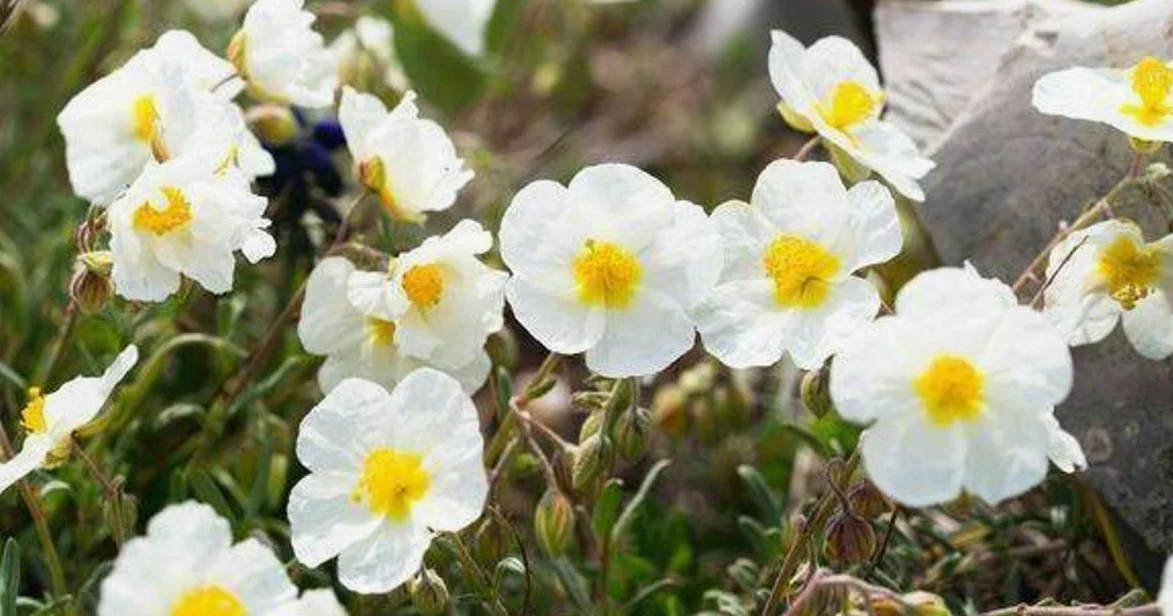
Helianthemum, or rock rose, was another top pick for its ability to spread across rocks or at the front of borders. It produces white, yellow, pink, or orange flowers from late spring through summer and is ideal for gardens with well-drained soil. Titchmarsh recommended pairing it with gravel, silvery foliage, and compact succulents for a Mediterranean-inspired look.
Each of these plants requires careful establishment, with generous watering during the first season. Once their roots are settled, they can withstand drier conditions, making them ideal for gardeners looking to reduce water usage without sacrificing visual appeal.
Titchmarsh’s recommendations come at a time when water conservation is becoming increasingly important, especially in regions experiencing prolonged droughts. As more gardeners seek sustainable solutions, these drought-resistant plants offer a practical and aesthetically pleasing alternative to traditional water-hungry species.






Comments
No comments yet
Be the first to share your thoughts