

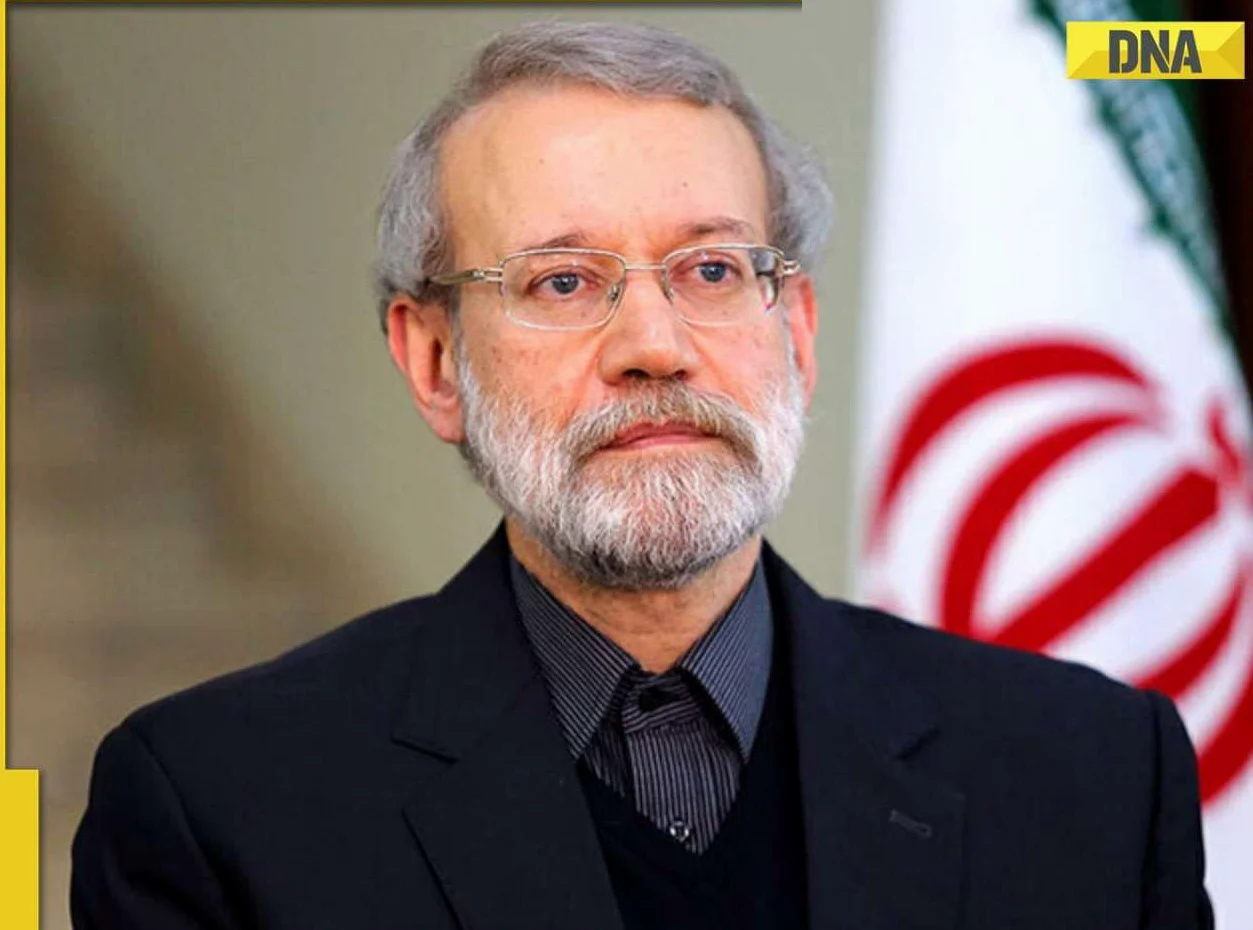
Ali Larijani, 67, has assumed control of Iran’s wartime security and strategic planning following the reported death of Supreme Leader Ali Khamenei. As head of the Supreme National Security Council, Larijani’s central role in Iran’s defense and foreign policy strategies has positioned him as a top contender for the next Supreme Leader.
Rising Influence in Tehran
In recent months, Larijani’s influence in Tehran has grown substantially, with observers noting that his authority may now rival or even surpass that of President Masoud Pezeshkian. His role in sensitive nuclear negotiations and coordination of responses to domestic unrest has elevated his profile.
According to reports, foreign diplomatic communications are increasingly routed through Larijani’s office, signaling his expanding role in shaping Iran’s interactions with the international community. Analysts suggest that his centrality in both domestic and external affairs strengthens his visibility as a potential successor to Khamenei.
Larijani, a founding member of the Islamic Major Guard Corps (IRGC), has held prominent positions including parliamentary speaker and senior advisor to Khamenei. His new responsibilities reportedly include preparing for potential further attacks, managing internal security, and mitigating threats to Iran’s leadership.
Succession Planning and Strategic Readiness
In Iran’s leadership hierarchy, Larijani is considered high in the line of succession, followed by Parliament Speaker Mohammad Bagher Ghalibaf and former President Hassan Rouhani. This sequence reflects the regime’s emphasis on continuity and strategic readiness amid escalating tensions with the United States and Israel.
Regional analysts caution that without immediate diplomatic engagement, the ongoing confrontation between Tehran, Washington, and Tel Aviv risks escalating into a broader regional conflict. Larijani’s expanded authority is therefore seen not only as a measure for internal stability but also as a central element of Iran’s crisis management and succession planning strategy.
According to a report from the Middle East Institute, Larijani has been instrumental in shaping Iran’s response to the recent increase in cross-border attacks and internal protests. His strategic acumen and deep ties to the military and political elite have made him a key figure in the country’s power structure.
Iran’s political landscape has been marked by uncertainty since the reported death of Khamenei. The Supreme Leader’s role as the final authority on all major issues has left a significant power vacuum, with Larijani’s growing influence filling that gap.
The Road Ahead
With Khamenei reportedly deceased, all eyes are now on Ali Larijani. His extensive political experience, military background, and control over national security matters make him a leading candidate for the next Supreme Leader.
How Iran handles this critical period will have far-reaching implications for the region’s stability and the global geopolitical landscape. Analysts warn that any delay in formalizing the succession could lead to internal divisions and further destabilization.
The reported death of Khamenei comes at a time of heightened tensions, with the U.S. and Israel increasing their military presence in the region. According to the Institute for the Study of War, Iran has faced over 120 attacks in the last 12 months, many of which are believed to be orchestrated by Israeli and U.S. interests.
Larijani’s potential rise to power could shift Iran’s foreign policy, particularly in its nuclear negotiations and relations with the West. His previous role in the nuclear talks with the P5+1 has made him a key figure in any future diplomacy.
Observers suggest that Larijani’s leadership could bring a more pragmatic approach to Iran’s foreign policy, though it remains to be seen how that would affect the country’s relations with its regional adversaries.
With the political and military landscape in flux, the next few weeks will be crucial in determining Iran’s direction. The role of Larijani in this transition will be key, as he seeks to consolidate power and handle the country through a period of uncertainty.
Comments
No comments yet
Be the first to share your thoughts