

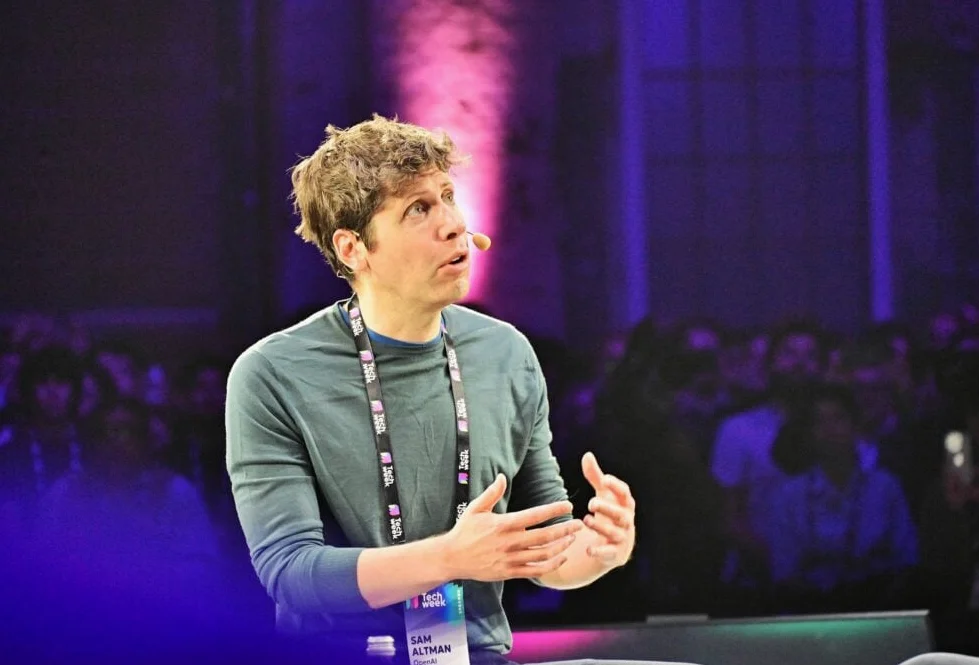
SAN FRANCISCO — OpenAI CEO Sam Altman dismissed Elon Musk’s vision for enormous data centers in space as impractical and uneconomical. Each proposed facility would stretch 31 miles in length and hover more than 310 miles above Earth’s surface, according to a SpaceX application filed with the Federal Communications Commission.
Musk’s company pitches the orbital setup as a solution to surging energy demands from AI. Uninterrupted solar power in space would sidestep terrestrial grid limitations, SpaceX officials argue. Data center power needs have exploded alongside AI growth, pushing operators to eye unconventional fixes.
Altman, speaking in comments reported by The Indian Express on Saturday, zeroed in on the plan’s flaws. Launch costs to orbit dwarf current Earth-based electricity prices, he said. Even worse: hardware failures.
‘How hard it is to fix a broken GPU in space,’ Altman remarked. Repairing or swapping out components hundreds of miles up poses massive engineering hurdles. No quick service calls or spare parts depots exist in orbit.
SpaceX’s filing details million-unit server arrays, enough to rival the biggest ground facilities. Proponents see space-based computing as the future for power-hungry AI models. Earth stations already strain local grids; some U.S. regions face blackouts from data center loads.
Altman’s jab arrives amid shifts at his own firm. OpenAI recently told investors it plans $600 billion in computing spending through 2030. That’s down from a prior $1.4 trillion forecast. The cut signals caution on infrastructure scale, even as AI races ahead.
Musk has long championed space for industry. SpaceX rockets already loft satellites and crew. Starlink beams internet from orbit. Data centers mark a bolder leap.
Critics like Altman question the timeline. Launch prices have fallen with reusable rockets. A Falcon 9 flight costs under $100 million now. Still, scaling to data center mass remains daunting. One facility could demand dozens of launches, totaling billions.
FCC approval isn’t guaranteed. Regulators scrutinize orbital congestion and interference risks. SpaceX must prove the setup won’t jam signals or litter space with debris.
Altman knows compute needs intimately. OpenAI’s ChatGPT and successors devour GPUs. Partnerships with Microsoft fund massive clusters. Yet even they grapple with power shortages.
The feud highlights AI’s infrastructure crunch. Tech giants hoard chips amid global shortages. Nvidia dominates supply. Data center builds lag demand.
Musk pushes boundaries. Tesla factories, X platform, Neuralink—all test limits. SpaceX eyes Mars. Orbital data centers fit his grand arc.
For now, Altman’s reality check lands hard. Space offers promise but punishes impatience. Ground-based rivals advance with nuclear tie-ups and desert mega-sites. OpenAI eyes those paths too.
SpaceX declined immediate comment. OpenAI didn’t respond to queries.






Comments
No comments yet
Be the first to share your thoughts