

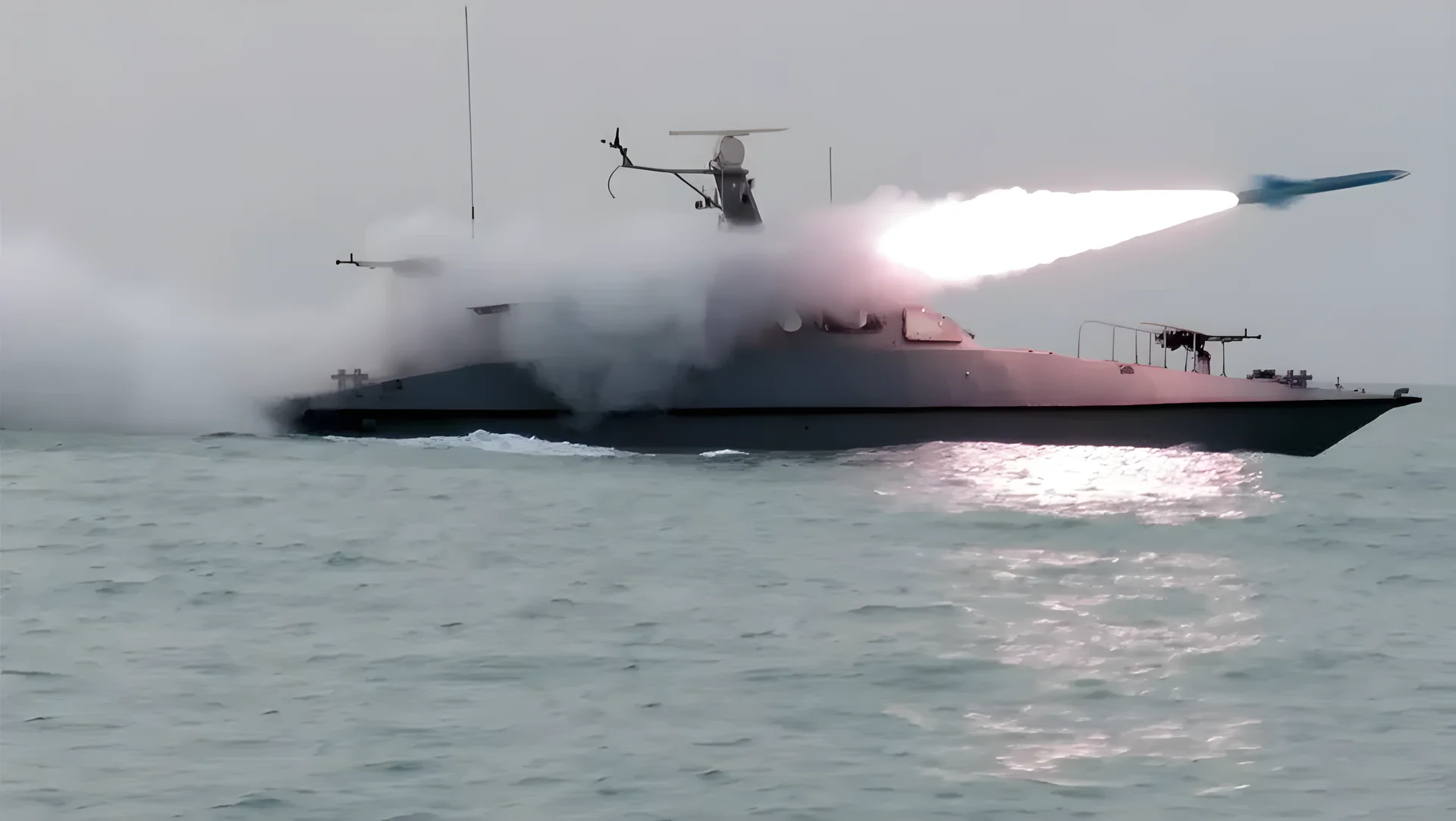
Amazon confirmed on Monday that sparks and fires broke out at its data centers in Bahrain and the United Arab Emirates after objects struck the buildings. While the company did not directly link the incident to ongoing hostilities in the Middle East, both nations have been targeted in recent attacks. The incident has raised concerns about the vulnerability of critical digital infrastructure in the region.
Infrastructure Disruptions and Connectivity Issues
Amazon’s cloud unit, which operates multiple data centers in the UAE and Bahrain, is currently experiencing severe power and connectivity issues. Two physical clusters of data centers in the UAE suffered complete power outages on Monday, according to reports. The outage has affected services provided by Amazon Web Services (AWS), the tech giant’s cloud subsidiary.
According to Lukasz Olejnik, a cybersecurity expert, AWS did not explicitly clarify what objects struck the infrastructure. He noted that the company’s use of the term ‘objects’ appears to be an attempt to avoid direct reference to missile or drone debris. This phrasing, he said, is likely due to the lack of established jargon for such a scenario.
Olejnik described the incident as the first time in history an ‘availability zone’ became unavailable for ballistic reasons. He added that while AWS informed users about the fires, it did not provide a clear explanation for what caused the damage. ‘Connecting the dots is left to the reader,’ he said, adding that services are expected to return in ‘multiple hours.’
Significance of the Attack
Levent Eraslan, a social media expert at Türkiye’s Anadolu University and founder of the NGO Sodimer, stated on X that Iran’s targeting of AWS infrastructure indicated that the conflict had expanded beyond the military field into digital infrastructure. He emphasized that data centers, cloud systems, and digital networks are now as strategically important as energy facilities or military bases.
Eraslan described the attack as an asymmetric cyber power message against American tech infrastructure. He added that data and infrastructure control are among the most critical but often invisible frontiers of war in the digital age. ‘This is a new dimension of warfare,’ he said.
Shanaka Anslem Perera, a tech analyst, echoed similar sentiments on X, noting that Amazon’s choice of wording—’objects’—was likely a strategic move to avoid direct attribution to missile or drone strikes. He pointed out that this is the first time a major cloud service provider’s data center has been hit during a war, highlighting the growing risks to digital infrastructure in conflict zones.
According to reports, Amazon’s UAE data center went completely offline overnight Saturday to Sunday. The outage has affected businesses and organizations that rely on AWS for cloud computing services, raising concerns about the reliability of digital infrastructure in the region.
What’s Next and Potential Implications
Industry experts suggest that the incident could lead to increased scrutiny of the security and resilience of cloud infrastructure in war-torn regions. There are also concerns that such attacks could become more frequent as the conflict in the Middle East continues to evolve.
Analysts warn that the targeting of digital infrastructure represents a new and complex challenge for global cybersecurity. The incident in the Persian Gulf has highlighted the growing importance of protecting cloud services and data centers from both physical and cyber threats.
As the situation unfolds, it remains to be seen how other major tech companies will respond to the growing risks to their infrastructure in conflict zones. Some experts suggest that the event could prompt a reevaluation of data center placement and security protocols in regions affected by geopolitical tensions.
With the Middle East continuing to be a hotspot for military and political conflict, the incident serves as a stark reminder of the vulnerabilities in the digital world. The attack on Amazon’s data centers in the Persian Gulf is likely to be a turning point in how companies and governments approach the protection of critical infrastructure in times of war.






Comments
No comments yet
Be the first to share your thoughts