

 Al Jazeera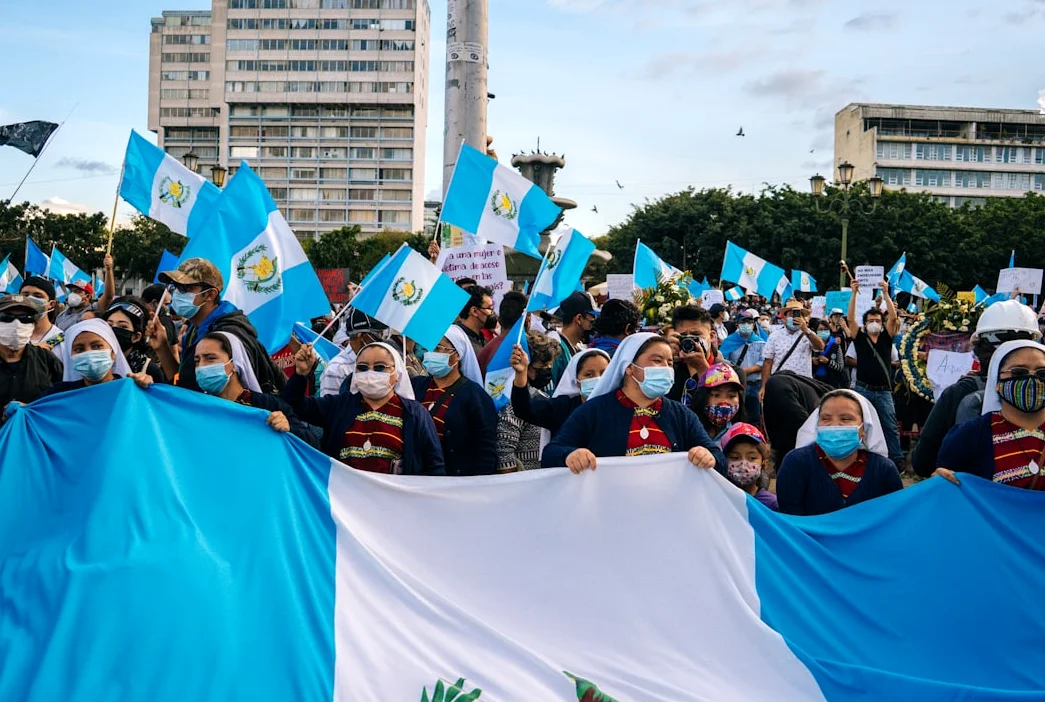
Tens of thousands of Argentines took to the streets in major cities to protest against President Javier Milei’s decision to cut funding for public universities, according to Al Jazeera. The demonstrations occurred on Thursday. As citizens demanded the government adhere to a law that guarantees funding for the tuition-free higher education system.
Protesters Demand Legal Compliance
The protesters argued that Milei’s administration has violated a constitutional mandate requiring public universities to receive a minimum level of annual funding, though the law, passed in 2021, was intended to stabilize the financial situation of Argentina’s public universities, which have struggled with underfunding for years.
“The government is acting against the law and against the people’s interests,” said María Fernández, a university student from Buenos Aires, while she added that the cuts are forcing some students to leave their studies due to the lack of support.
Significant Budget Reductions
The budget for public universities has been drastically reduced under Milei’s economic reforms. According to official figures, the 2026 budget for public universities has been cut by 40% compared to the previous year. Critics say the cuts threaten the quality of education and access for low-income students.
Public universities in Argentina are tuition-free, and the government funds them through direct budget allocations. The cuts have led to delays in salary payments for professors, reduced maintenance, and the cancellation of some programs. In some cases, students are being asked to pay for basic services like printing or access to libraries.
“We’re not against the government’s economic plans, but this is a direct attack on education,” said Ignacio Morales, a professor at the University of Buenos Aires. He said the protests are about protecting a public good that has historically been accessible to all Argentines.
Government Response and Future Uncertainty
President Milei has defended the budget cuts as part of a broader strategy to reduce government spending and stabilize the economy. In a recent statement, he said the government is prioritizing fiscal discipline over maintaining what he described as an “inefficient” public university system.
“We are not cutting education. We are reforming it to make it more efficient and focused on the needs of the economy,” Milei said in a press briefing. He added that private investment and partnerships with the private sector could help fill the gap left by reduced government funding.
However, opponents of the cuts argue that private funding is not a viable solution for a system that relies heavily on state support. They also point out that Argentina has one of the highest tertiary education enrollment rates in Latin America, and reducing public funding could lead to long-term economic consequences.
The protests have been largely peaceful, with students, professors, and community members marching in cities like Buenos Aires, Rosario, and Córdoba. Some demonstrations have drawn more than 10,000 participants, according to local media reports.
“This is not just about money. It’s about the future of our country and the right to education for all,” said Carlos Mendoza, a university administrator who joined the protests in Rosario. He said the government needs to find a solution that balances economic goals with social responsibility.






Comments
No comments yet
Be the first to share your thoughts