

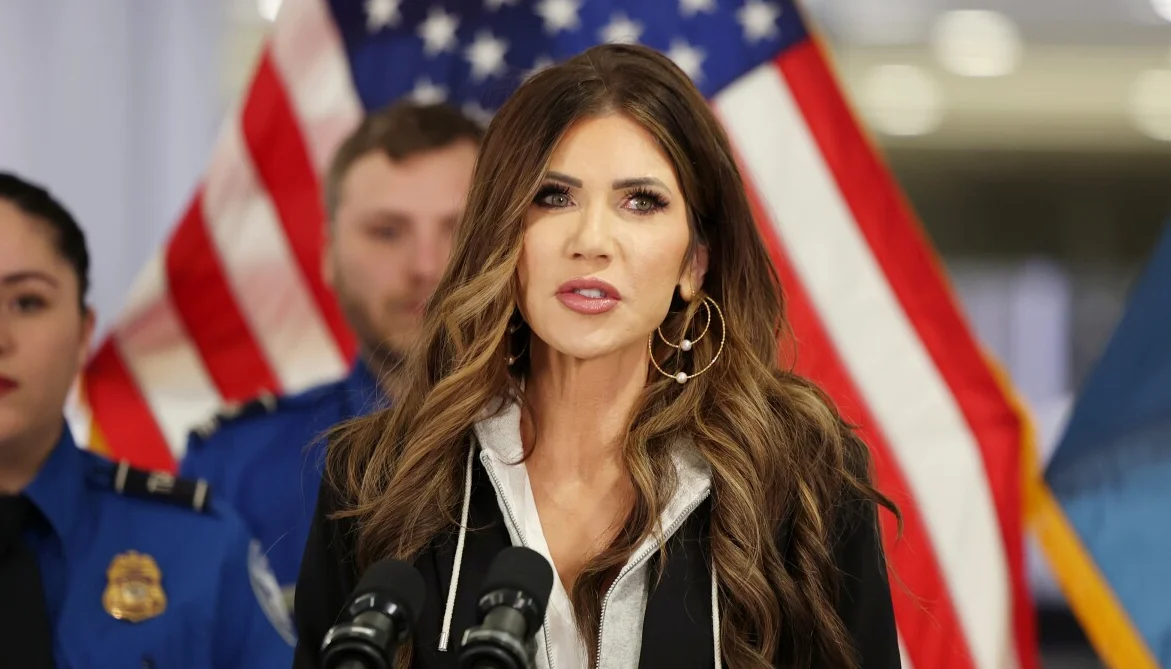
President Donald Trump announced Thursday that he has removed Homeland Security Secretary Kristi Noem from her post and intends to nominate Oklahoma Sen. Markwayne Mullin as her replacement, ending a turbulent, 13-month tenure that drew bipartisan criticism and intense scrutiny on Capitol Hill. The decision follows two days of combative congressional oversight hearings in which Noem faced blistering questioning from members of both parties over the department’s immigration operations, ad contracts, and other controversies.
Arizona Officials Criticize Noem’s Leadership
Arizona officials, who have publicly sparred with Noem in recent weeks, were among those whose prior criticisms underscored how politically fraught her tenure had become. U.S. Sen. Ruben Gallego (D-Ariz.) posted on his X.com account, criticizing Noem’s handling of immigration enforcement. Congressional District 7 representative Adelita Grijalva responded with similar concerns, highlighting the controversies that surrounded Noem’s leadership.
Noem, who has also responded to the criticism on X.com, defended her policies and actions, but her tenure had become a flashpoint on multiple fronts. The department’s aggressive immigration enforcement campaign, allegations about a lucrative ad campaign that prominently featured Noem, and questions about spending and staffing decisions had all contributed to the scrutiny.
Public Reactions and Political Fallout
Sen. Mark Kelly (D-Ariz.) has been an outspoken critic of Noem’s leadership of DHS, especially after the controversy over immigration enforcement unfolded. Kelly publicly called for Noem — and Trump adviser Stephen Miller — to be dismissed in the wake of the Minneapolis shootings, arguing that the department’s actions under Noem had produced unacceptable outcomes and eroded public trust.
Gov. Katie Hobbs, who has previously criticized some of the federal immigration actions affecting Arizona communities, has also been part of the chorus of Arizona Democrats demonstrably skeptical of Noem’s approach while she led DHS. Arizona Attorney General Kris Mayes criticized national administration officials she described as “election deniers” who, she said, have “spent the past six years lying to the American people in a deliberate effort to destroy trust in our election system.”
Noem made a high-profile trip to southern Arizona in early February, standing in Nogales with Customs and Border Protection and ICE officials to announce an accelerated rollout of new border barrier construction and supporting technology. Her Arizona appearance drew immediate pushback from some local lawmakers and advocates, including Rep. Yassamin Ansari (AZ-03), who sharply condemned Noem’s actions and called for accountability.
Controversy Over Noem’s Statements
Noem publicly labeled Renee Good and Alex Pretti — two Minneapolis residents who were fatally shot earlier this year by federal immigration-enforcement agents during Operation Metro Surge — as “domestic terrorists.” Good has been reported as a 37-year-old mother of three, and Pretti as an intensive-care nurse. Noem’s characterization came in the immediate aftermath of the shootings, but acting ICE and CBP leaders later testified that they had not described Good or Pretti as “domestic terrorists.”
Lawmakers at recent congressional hearings pressed Noem to retract or apologize, but she declined to do so, saying in testimony that the incidents were tragedies but standing by her earlier statements. This position drew sharp criticism from Democrats and some other observers. Noem’s recent congressional testimony — in which she defended department policies and at times clashed with Republican senators — reportedly fed White House frustration and prompted private discussions among GOP leaders about her future.
Republican Sen. Thom Tillis called her leadership “a disaster” during a Senate oversight hearing, while House and Senate Democrats threatened to withhold full-year DHS funding unless the department enacted reforms on the conduct of immigration agents. Trump said Noem would move to a role as a “special envoy” for a new Western Hemisphere security initiative, while Mullin — if confirmed by the Senate — would take over at DHS. Under existing vacancy laws, Mullin could serve in an acting capacity once nominated even while the confirmation process proceeds.
With the administration in the midst of a partial DHS funding lapse and lawmakers still feuding over immigration policy and oversight, the personnel change is likely to reverberate through ongoing debates over enforcement tactics, oversight, and the agency’s priorities — matters that Arizona’s leaders have already weighed into publicly in recent weeks.



Comments
No comments yet
Be the first to share your thoughts