

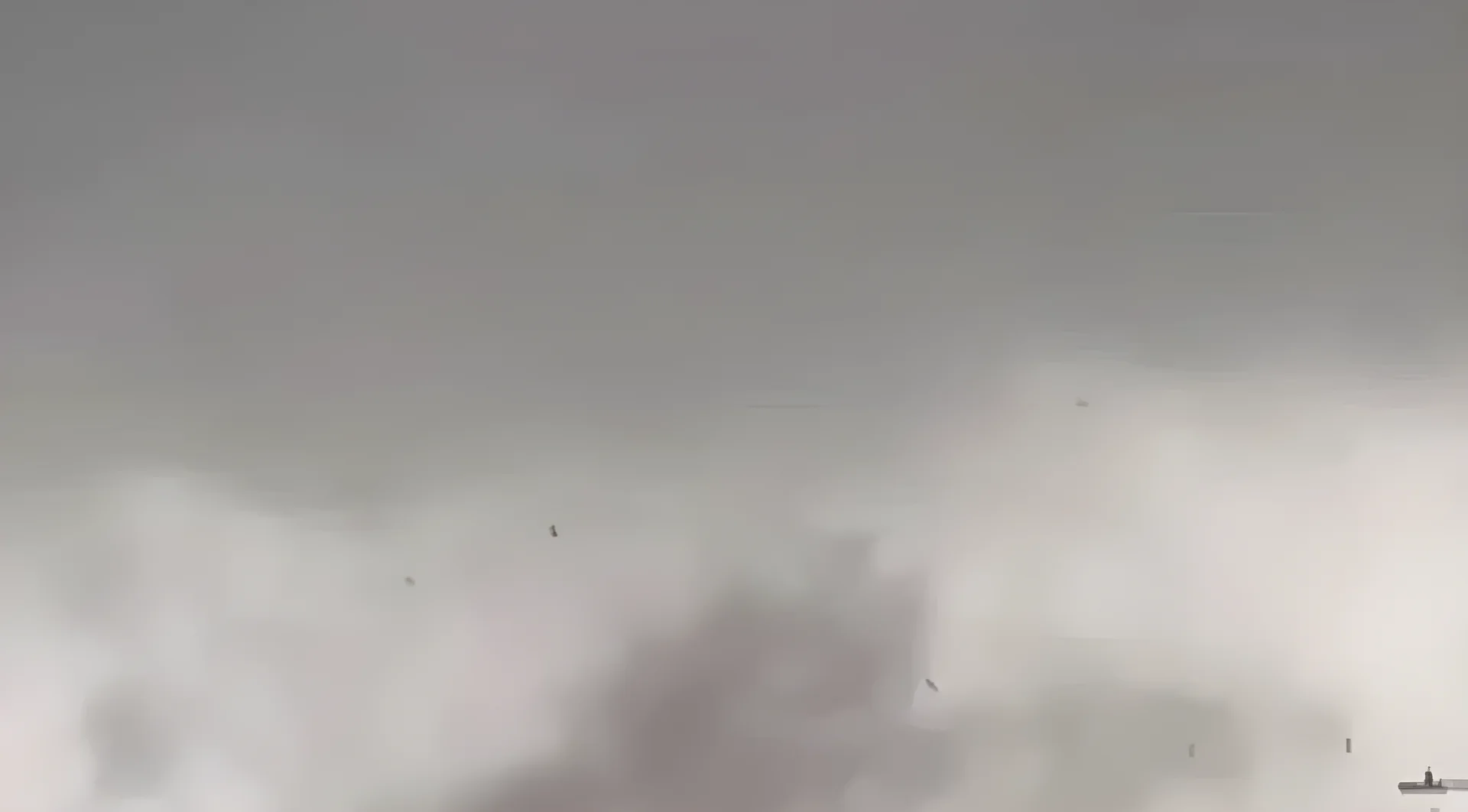
In the early hours of Tuesday, a storm of unprecedented ferocity swept through Kankakee County, Illinois, and into northwest Indiana, leaving destruction in its wake. Among the hardest-hit areas was Aroma Park, a small town where the winds of an EF-3 tornado carved through neighborhoods, uprooting trees, tearing apart buildings, and scattering debris across the landscape. The devastation was immediate and visceral. Entire homes were reduced to rubble, and the air was thick with the scent of shattered wood and broken glass.
The Storm’s Fury
The tornadoes that struck the region on Tuesday were not isolated events. According to the National Weather Service, several intense supercell thunderstorms moved across northern Illinois and northwest Indiana, producing at least four tornadoes. One of these storms was responsible for the tragic deaths of an elderly couple in Lake Village, northwest Indiana, where the winds were so powerful that a home was completely obliterated. Edward L. Kozlowski, 89, and his wife Arlene Kozlowski, 84, were found in their home, with blunt force trauma as the cause of death. Their son-in-law, Steve Rehfeldt, described them as ‘wonderful human beings’ who left behind a legacy of four children, seven grandchildren, and great-grandchildren.
In Aroma Park, the destruction was equally severe. Structures were flattened, and the landscape was transformed into a field of debris. The National Weather Service confirmed that an EF-3 tornado, with winds of up to 150 mph, tore through the area, leaving a trail of devastation. Homes were reduced to splinters, and even the sturdiest trees were uprooted and tossed like matchsticks. One resident, Bob Wehrle, described the scene as surreal: ‘Where do you start cleaning up? Where do you start making calls? What’s the process?’
A Community in Crisis
The aftermath of the tornadoes in Aroma Park was both chaotic and heart-wrenching. Emergency crews and sheriff’s deputies moved through the area to assess the damage and check for injuries. Nine people suffered minor injuries in Kankakee County, but no one was killed in Aroma Park. Despite this, the emotional toll was immense. Families were left to sift through the wreckage of their lives, searching for anything that might be salvageable.
Mitchell Gerth, whose parents’ home was destroyed, described the moment the tornado struck as terrifying. ‘The first thing that I noticed was the glass in the window well shattering. That’s when I kind of realized this was a bad one.’ His family had taken shelter in the basement with their two young children, but the storm was so powerful that the stairwell was completely caved in. They had to climb out of the window well in the back, a harrowing escape that left them shaken but alive.
Rebuilding and Resilience
As the sun set over Aroma Park, the community began to turn its focus toward recovery. Emergency agencies were assessing the damage, and local organizations were stepping in with supplies, shelter, and donation support. ComEd crews worked around the clock to restore power, and residents began the long process of cleaning up the debris that littered their streets.
Tyler Stark, a local restoration business owner, was among those helping in the cleanup. ‘We’re trying to get all the hands we can, and less about generating business and more about helping the community,’ he said. The outpouring of support from neighbors and local businesses underscored the strength of Aroma Park’s residents, who were determined to rebuild their lives despite the devastation.
Understanding the Storm
Experts suggest that the timing of the tornadoes played a role in their intensity. Meteorologist Kevin Donofrio noted that when tornadoes occur outside of the core season—typically April through June in northeast Illinois and northwest Indiana—they have the potential to be stronger. ‘We have less of them but they’re stronger,’ he said. This was evident in the EF-3 tornado that struck Aroma Park, which had winds of up to 150 mph.
The storm system that produced the tornadoes was part of a larger pattern of severe weather that affected multiple states. In addition to the tornadoes, heavy rain and hail caused flooding in several areas, including Grand Rapids in western Michigan. The National Weather Service reported that streets were flooded, and some vehicles were submerged in water above their doors.
A Broader Pattern
The tornadoes in Aroma Park and the surrounding areas were not isolated incidents. Similar storms have been reported in other parts of the Midwest in recent years, including a series of tornadoes that killed four people in southwestern Michigan and two in eastern Oklahoma. These events highlight the increasing frequency and intensity of severe weather in the region.
As the National Weather Service continues to assess the damage, it is clear that the storms have left a lasting impact on the communities affected. In Aroma Park, the residents are left with the daunting task of rebuilding their lives, but they are doing so with a sense of determination and resilience that defines the spirit of the town.
The road to recovery for Aroma Park will be long and arduous, but the community is already showing signs of strength. Local organizations are providing support, and residents are coming together to help one another. The destruction may be severe, but so is the resolve of the people who call Aroma Park home.
As the region continues to recover, the lessons learned from this storm will be crucial. The intensity of the tornadoes, the timing of the storm system, and the impact on the community all serve as reminders of the power of nature and the importance of preparedness. For Aroma Park, the journey ahead will be one of healing, rebuilding, and resilience.




Comments
No comments yet
Be the first to share your thoughts