

 BBC
BBC 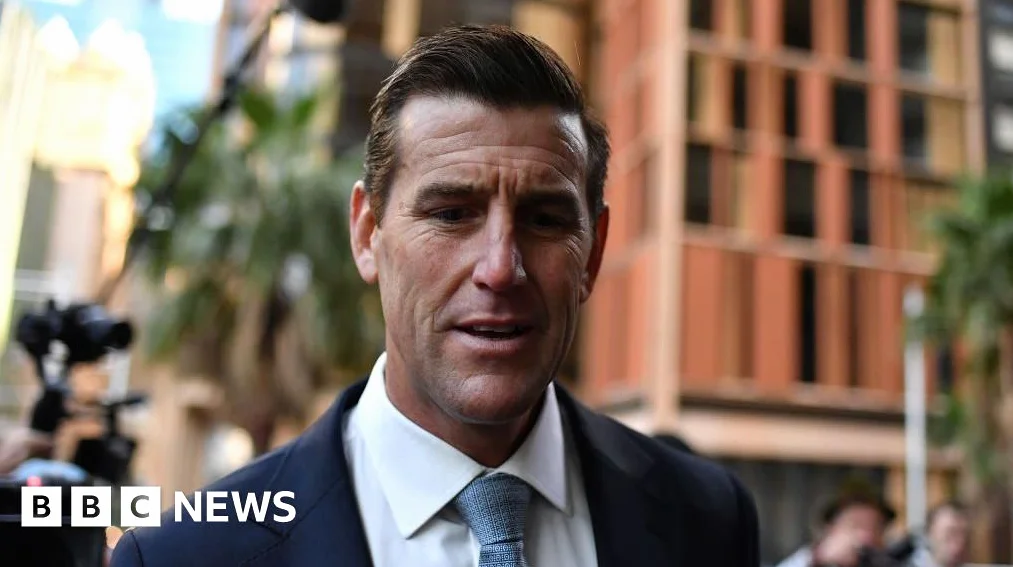
Australian soldier Ben Roberts-Smith. The most-decorated living soldier in the country, will remain in custody after his legal team did not seek bail for charges of alleged war crimes in Afghanistan, the BBC reported. Roberts-Smith, 47, was arrested at Sydney Airport on Tuesday and charged with five counts of the war crime of murder before being transferred to a police cell.
Legal Background and Defamation Case
Roberts-Smith, a recipient of Australia’s Victoria Cross, denies all wrongdoing and has previously called the claims ‘egregious.’ The criminal case follows a defamation judgment in 2023 that found the former corporal of Australia’s Special Air Service Regiment (SAS) killed several unarmed Afghans between 2009 and 2012.
The years-long defamation proceedings, initiated by Roberts-Smith, marked the first time in history that any court had examined claims of war crimes by Australian forces, while his legal team argued that the alleged killings were either legal, as they took place during combat, or did not happen at all.
Civil and Criminal Proceedings
Defamation cases are typically handled in the civil court system, which requires a lower burden of proof. The judge in the defamation case found that, on the balance of probabilities, there was substantial truth to the allegations of war crimes by Roberts-Smith, who received Australia’s highest military honour for bravery in 2011.
In the criminal case, Roberts-Smith faces one charge of the war crime of murder, one of jointly commissioning a murder, and three of aiding, abetting, counselling or procuring a murder. The maximum penalty for the charges is life in prison.
The Australian Federal Police (AFP) confirmed the case had involved a complex and thorough investigation. AFP Commissioner Krissy Barrett stated on Tuesday that it will be alleged the victims were shot by the accused or shot by subordinate members of the ADF [Australian Defence Force] in the presence of, and acting on the orders of, the accused.
Context and Impact on Military
Barrett added that the allegations of misconduct were confined to a ‘very small section’ of the ADF and that the majority of the country’s armed forces ‘do our country proud.’ Roberts-Smith is due back in court on 17 April, and will appear via a video link.
The case has drawn significant attention, with the term ‘Australian soldier charged crimes’ trending in search queries. Roberts-Smith’s legal team has not yet sought bail, and the soldier remains in custody as the case proceeds through the legal system.
The charges against Roberts-Smith have sparked discussions about the conduct of Australian forces in Afghanistan and the legal implications of war crimes allegations. The case highlights the complex interplay between civil and criminal law in addressing such allegations.
Roberts-Smith’s legal team has not commented further on the decision not to seek bail, but the soldier has consistently denied any wrongdoing. His case is expected to have broader implications for military accountability and the legal framework surrounding war crimes.
The investigation into Roberts-Smith’s alleged actions has been described as ‘complex and thorough’ by the AFP, highlighting the seriousness with which the case is being treated. The outcome of the case could set a precedent for future military legal proceedings in Australia.
The court proceedings will continue with Roberts-Smith’s next appearance scheduled for 17 April. The case has already generated significant public interest and legal scrutiny, with the focus on the balance between military conduct and legal accountability.






Comments
No comments yet
Be the first to share your thoughts