

 BBC
BBC 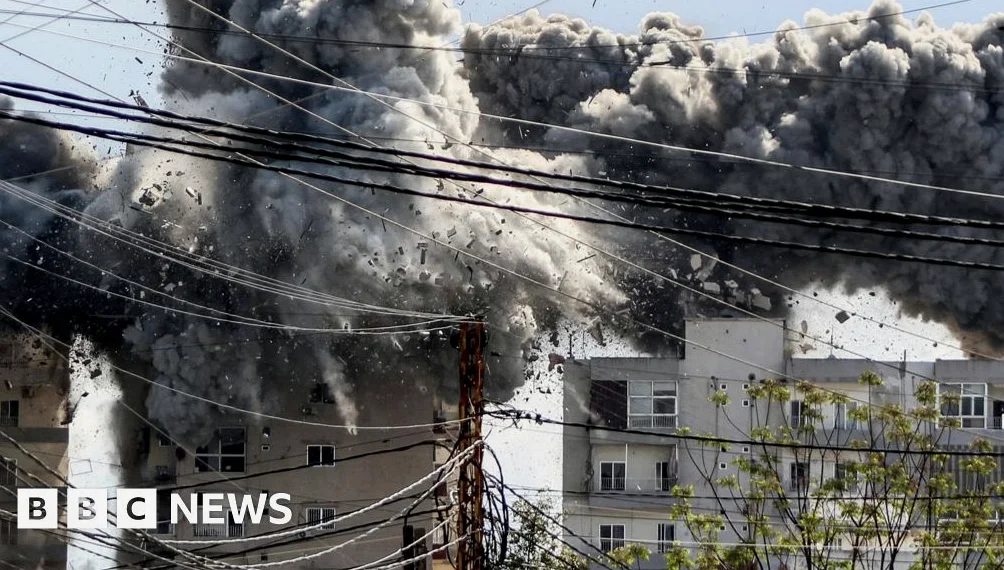
Israel launched a series of air strikes in southern Lebanon on Wednesday morning, indicating that the recent US-Iran ceasefire deal does not apply to the ongoing conflict with Hezbollah, an Iranian-backed armed group, according to BBC News.
Escalation Despite Ceasefire
The Israeli military targeted areas including Tyre and Nabatieh, hours after the ceasefire agreement was announced; the Israeli Prime Minister’s office denied claims by Pakistan, which helped mediate the deal, that the ceasefire covered the conflict in Lebanon. According to the Israeli military, air and ground operations continued in the region.
Across Lebanon, more than 1,500 people have been killed, including 130 children. Over 1.2 million people have been displaced, representing one in five of the population, mostly from Shia Muslim communities in the south, the eastern Bekaa Valley, and southern suburbs of Beirut, areas where Hezbollah is influential.
Security Buffer Zone and Displacement
Villages near the border have been destroyed as Israeli forces aim to establish a security buffer zone to disrupt Hezbollah’s infrastructure and push its fighters away. This has raised concerns that some areas may be occupied even after the war ends, and many residents may never return to their homes.
The ceasefire in the US-Israel-Iran conflict, which began in late February, was announced, but the Lebanese presidency stated it would continue efforts to include Lebanon in regional peace. Hezbollah, which has not claimed any attacks since the deal was announced, said the group was on the ‘threshold of a major historic victory’ and warned displaced families to wait for a formal ceasefire announcement before returning home.
The latest escalation in the decades-long conflict between Hezbollah and Israel began when the group fired rockets into Israel in retaliation for the killing of Iranian supreme leader Ayatollah Ali Khamenei in the early stages of the war. This was followed by near-daily Israeli attacks on Lebanon, despite a ceasefire agreement in November 2024.
Continued Israeli Campaign in Lebanon
Israeli officials had indicated they would continue their campaign in Lebanon even if a deal was reached with Iran. However, recent military sources quoted by Israeli media suggested the army had no intention to advance further in their invasion and acknowledged that they would not be able to disarm Hezbollah by force.
Observers expressed surprise at Hezbollah’s military capabilities in this conflict, as it was widely believed the group had been severely weakened in its last war, though Hezbollah has frequently launched rockets and drones into northern Israel but has also confronted Israeli troops on the ground in southern Lebanon.
Despite facing strong criticism for dragging Lebanon into an unwanted war and defending the interests of its Iranian patron, Hezbollah still enjoys significant support among Lebanese Shia. The displacement crisis has further strained the country, with schools turned into shelters and many people sleeping in improvised tents in public spaces and even in cars.
The arrival of displaced families into other communities has led to a rise in sectarian tensions, with people fearing they too could become targets of Israeli attacks. After the ceasefire deal in 2024. The Lebanese government announced a plan to disarm Hezbollah, which was created in the 1980s in response to Israel’s occupation during the 15-year Lebanese civil war. However, the group has refused to discuss the future of its weapons.
President Joseph Aoun. A former army chief, ruled out using force, warning it could exacerbate divisions and lead to violence; his government made the historic announcement that it was open to negotiating directly with Israel, despite the lack of diplomatic relations. However, Israel has so far ignored the offer.






Comments
No comments yet
Be the first to share your thoughts