

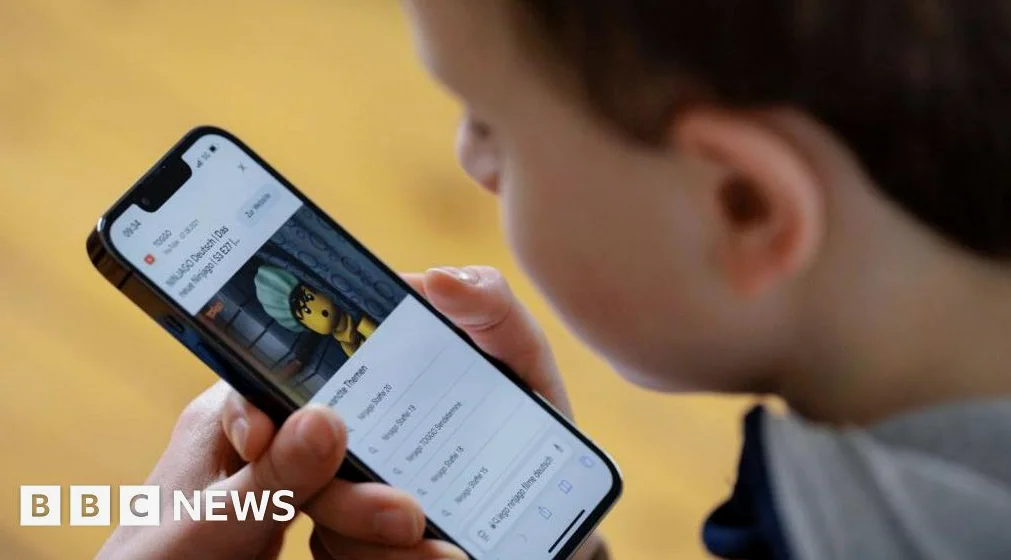
Austria is considering a new policy that would prohibit children under the age of 14 from using social media platforms, as reported by Al Jazeera, gamereactor.jp, and BBC. This move comes amid growing concerns over the impact of digital platforms on young users, and it reflects a broader trend in European nations to regulate online content for minors.
Official Proposals and Legal Context
According to DiePresse.com. The Austrian government is currently drafting legislation that would impose a legal age limit of 14 for accessing social media. The proposal is part of a larger initiative to protect minors from potential harms associated with online exposure, such as cyberbullying, exposure to inappropriate content, and mental health issues.
While the details of the legislation are still being finalized, officials have emphasized that the ban would apply to all major social media platforms, including Facebook, Instagram, TikTok, and YouTube. The policy is expected to be modeled after existing regulations in Germany, which require parental consent for children under 14 to access certain online services.
According to Al Jazeera. Austrian officials have not yet specified whether the ban would be enforced through legal penalties or voluntary compliance by platforms. However, some lawmakers have called for stricter enforcement, arguing that self-regulation by tech companies has proven ineffective in protecting minors.
Public Reaction and Concerns
Public reaction to the proposed ban has been mixed. Some parents and educators have welcomed the move, citing the need for greater protection of young users from online dangers. Others, however, have raised concerns about the potential impact on digital literacy and access to information.
According to gamereactor.jp, some critics argue that the ban may be overly broad and could inadvertently restrict access to educational resources, online communities, and platforms that promote creativity and communication among youth. A spokesperson for a children’s rights organization in Vienna said, ‘While we understand the intent, this approach risks pushing minors to find alternative, less safe ways to access the internet.’
The BBC reported that some technology companies have already expressed interest in collaborating with Austrian authorities to develop age-verification systems that could help enforce the policy without fully restricting access to social media for all under-14s. However, no concrete agreements have been made yet.
International Comparisons and Legal Challenges
The proposed ban in Austria mirrors similar measures being considered in other European countries. In Germany, for example, a law requiring parental consent for children under 14 to access certain online services was introduced in 2021. France and the Netherlands have also implemented or are considering similar regulations.
However, the Austrian proposal faces potential legal challenges. According to Verfassungsblog, legal experts have raised concerns about the constitutionality of such a measure, particularly in relation to freedom of expression and the rights of minors to access information. ‘This policy could be seen as an infringement on fundamental rights,’ said Friederike Wapler, a constitutional law expert, in an interview with Verfassungsblog.
Wapler also questioned whether the ban would effectively prevent minors from accessing social media through alternative means, such as using family accounts or bypassing age restrictions. ‘There is a risk that this measure may create a false sense of security,’ she said.
Economic and Technological Implications
The proposed ban could have significant economic and technological implications for both Austria and the technology sector. According to the BBC, some social media companies have already begun adapting their platforms to comply with stricter regulations in Europe. For example, TikTok and Instagram have introduced features that limit content exposure for users under 14, such as content filters and parental controls.
However, the Austrian government has not yet announced any specific financial incentives or penalties for platforms that fail to comply with the proposed regulations. According to DiePresse.com, some lawmakers have suggested that non-compliant companies could face fines or restrictions on their operations within the country.
The proposed ban could also affect the digital economy in Austria, particularly in sectors that rely on youth engagement, such as e-commerce, online education, and digital marketing. According to Al Jazeera, some businesses have already expressed concern about the potential impact on their ability to reach younger audiences.
What’s Next and Why It Matters
The Austrian government is expected to present the proposed legislation to the parliament in the coming months. If passed, the ban could take effect within the next year, pending implementation and compliance by technology companies.
According to gamereactor.jp, the debate over social media regulation for minors is likely to continue as other European countries consider similar measures. The Austrian proposal could serve as a model for other nations seeking to balance the protection of youth with the need for access to digital tools and information.
The issue of social media regulation for under-14s is not just a policy concern but also a global challenge. As more children grow up in a digital world, the need for effective, yet balanced, policies to protect them from online risks becomes increasingly urgent.





Comments
No comments yet
Be the first to share your thoughts