

 Al Jazeera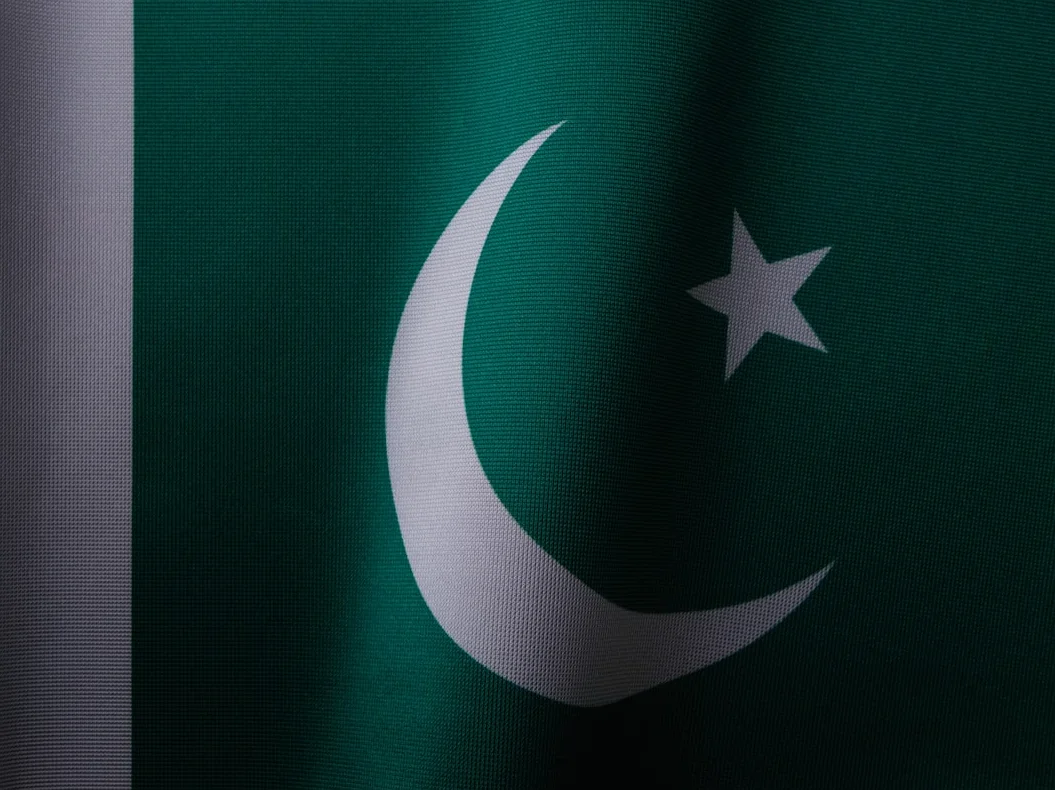
Pakistan’s history as a diplomatic intermediary dates back to the Cold War, when it played a key role in opening communication between the United States and China. Now, with the US-Israeli war against Iran entering its second month, Pakistan is once again stepping into the role of mediator, carrying messages between Washington and Tehran.
Historic Backchannel in 1971
During the Cold War. In 1971. Pakistan facilitated a secret trip by US Secretary of State Henry Kissinger to Beijing; this was a critical moment in US-China relations, paving the way for President Richard Nixon’s historic visit to China in 1972. The flight. Which took place in the early hours of July 9, 1971, was kept secret even from the US State Department, according to historical accounts.
According to Winston Lord. Who served as Kissinger’s aide, Pakistan was chosen because it maintained relations with both Washington and Beijing. Two years of backchannel diplomacy followed, with Pakistani officials acting as intermediaries; the success of this effort led to the famous Nixon-Mao handshake in 1972, marking a major shift in Cold War geopolitics.
“Pakistan was the only country that could be trusted simultaneously in Washington and Beijing with a very sensitive mission,” said Masood Khan, a former Pakistani ambassador to the United States and later to the United Nations. “It had the strategic manoeuvrability and operational flexibility needed for such a mission,” he added.
Modern Mediation and Regional Tensions
Fast forward to 2026, and Pakistan is once again at the center of diplomacy. On March 25, Foreign Minister Ishaq Dar confirmed that Islamabad is relaying a US 15-point ceasefire proposal to Tehran, with support from Turkey and Egypt. The US-Israeli campaign, known as Operation Epic Fury, began in late February 2026 and has already resulted in significant casualties, including the death of Iranian Supreme Leader Ali Khamenei within days.
President Donald Trump has announced a 10-day pause on threatened strikes against Iranian power plants, citing a request from the Iranian government. This marks the second time such a pause has been declared, with Pakistan playing a central role in facilitating the communication between the two sides.
Prime Minister Shehbaz Sharif has been in regular contact with Iranian President Masoud Pezeshkian, while Army Chief Field Marshal Asim Munir has held direct talks with Trump. Both have also visited Saudi Arabia, where Pakistan signed a mutual defense agreement in September 2025. Saudi Arabia, which hosts a US military base, has faced Iranian attacks in recent weeks.
“Pakistan’s story is told most often through the prism of conflict,” said Naghmana Hashmi, a former Pakistani ambassador to China. “Yet beneath the headlines of coups, crises, and border skirmishes runs a quieter, more consistent thread: a state that has repeatedly tried to turn its geography and Muslim-world ties into diplomatic capitalize on for peace,” she told Al Jazeera.
Pakistan’s Role in Afghan and Regional Affairs
Pakistan’s diplomatic role extends beyond the US-China relationship. During the Soviet invasion of Afghanistan in 1979, Pakistan became the primary conduit for US, Saudi, and Chinese military and financial assistance to the Afghan mujahideen. The Inter-Services Intelligence (ISI) played a key role in organizing and directing the resistance.
From June 1982, a United Nations-mediated process began in Geneva. Pakistan refused to recognize the Soviet-backed Kabul government, so negotiations were conducted indirectly. The Geneva Accords were signed on April 14, 1988, by the foreign ministers of Afghanistan and Pakistan, with the US and the Soviet Union as guarantors. They set a timetable for the Soviet withdrawal, completed by February 1989.
“Pakistan occupied a dual role,” said Masood Khan. “It was both a stakeholder and a mediator,” a distinction that would shape its Afghan policy for decades. Nearly three decades later, in July 2015, Pakistan hosted the first officially acknowledged direct talks between the Taliban and the Afghan government of then-President Ashraf Ghani in Murree, near Islamabad, with US and Chinese officials attending as observers.
As the current crisis unfolds, Pakistan’s role as a mediator remains central. Whether this latest round of diplomacy produces anything durable remains uncertain. But it has once again raised a familiar question: How and why does Pakistan keep emerging as a diplomatic broker, and how effective has it been?
According to Muhammad Faisal, a Sydney-based foreign policy analyst, Pakistan’s facilitation of the US-China backchannel is unambiguously the most consequential. “It restructured Cold War geopolitics in ways that still define the international order,” he said. “No other Pakistani facilitation comes close in scale or permanence,” he added.
Despite its historical successes, Pakistan has faced limitations. “Pakistan couldn’t turn that support from both powers to its advantage in the 1971 civil conflict and the subsequent war with India,” Faisal said. “Despite being on good terms with both China and the US, Pakistan couldn’t deter India from taking advantage of the civil conflict.”
As the current situation evolves, Pakistan’s ability to maintain its role as a mediator will be tested. With tensions between the US and Iran continuing to rise, the country’s geographic and strategic position remains key. Whether this latest effort will lead to a lasting ceasefire or further escalation remains to be seen.






Comments
No comments yet
Be the first to share your thoughts