

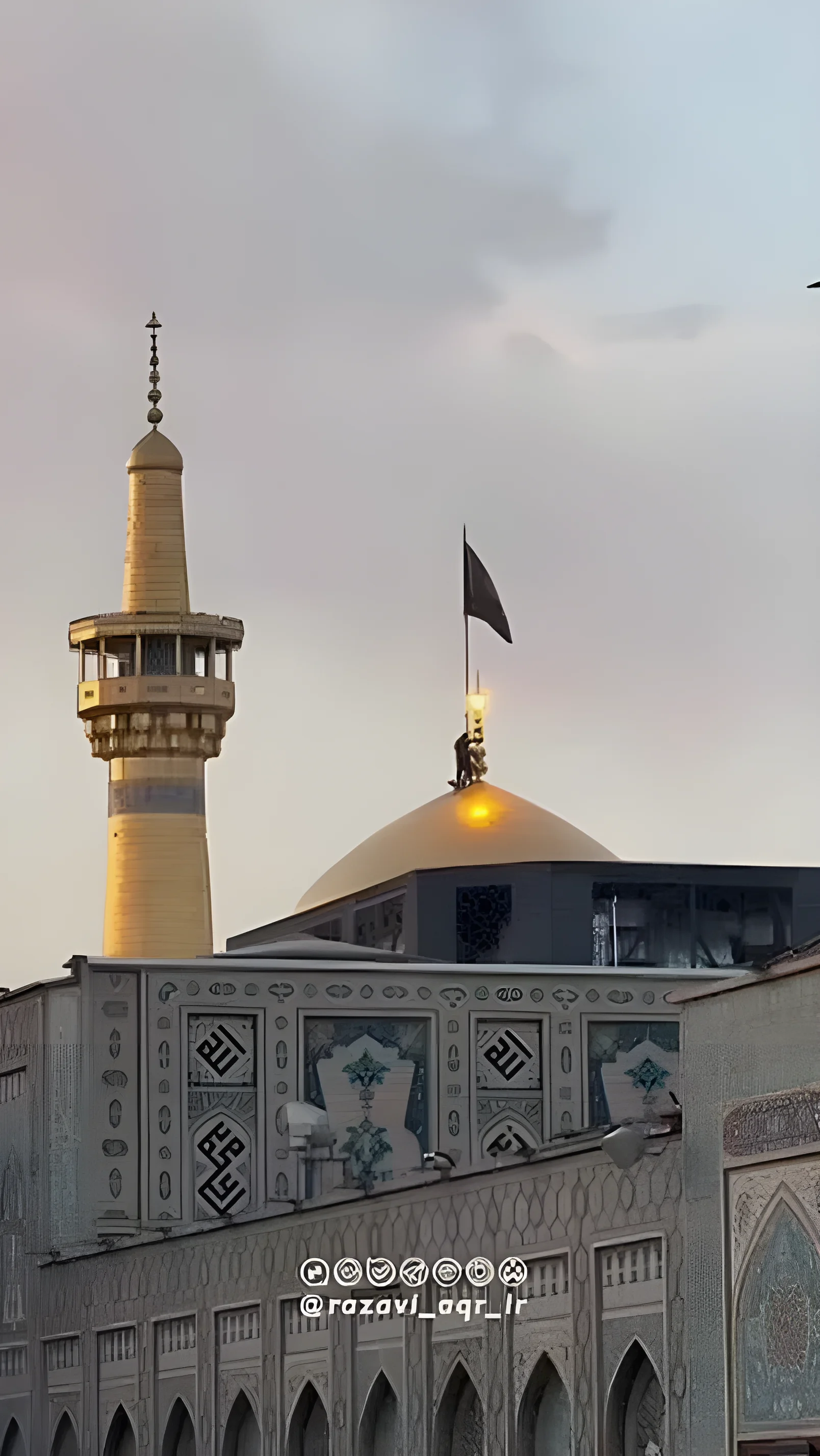
Ayatollah Ali Khamenei, Iran’s Supreme Leader, along with IRGC Chief Mohammad Pakpour and Secretary of the Defense Council Ali Shamkhani were killed in a series of attacks that have sparked widespread mourning and international concern. Iran has declared 40 days of mourning following the deaths of its top leaders, marking one of the most significant events in the country’s modern history.
Attack Details and Casualties
The attacks occurred during the night, with reports indicating that hundreds of people were killed and injured during a coordinated strike by the United States and Israel against Iran, according to Iran’s permanent representative to the United Nations. In Israel, one person was killed and more than 120 injured as a result of Iranian retaliatory strikes.
The United States has confirmed that the operation against Iran will continue for the whole week or longer, according to former President Donald Trump, who suggested that Iranian security forces could be granted ‘immunity’ if they chose not to resist. Iran, in turn, launched attacks on multiple U.S. military bases in Kuwait, northern Iraq, and Saudi Arabia.
Tehran’s strikes also reportedly targeted a U.S. airbase in Qatar, according to the Qatari Defense Ministry. Iranian state media, including the Fars news agency, claimed that there was an attack on the CIA headquarters in Dubai. Bahrain claimed to have intercepted and shot down 45 missiles and nine drones launched from Iran.
The attacks have caused significant casualties across the region. In Qatar, 16 people were injured by rocket debris, and in Dubai, four airport employees were injured after the strikes. The Israeli military announced at around 3:30 Moscow time that it was conducting a new series of strikes, with explosions reported in Tehran. The Israeli Defense Forces later confirmed that approximately 30 targets had been hit.
Regional Repercussions and Human Impact
The attacks have had a profound impact on the people of the Middle East, with civilians caught in the crossfire. In Iran, the deaths of Khamenei, Pakpour, and Shamkhani have left a leadership vacuum and raised questions about the stability of the country. The 40-day mourning period, a traditional Islamic practice, will likely see widespread demonstrations and public displays of grief across Iran.
For ordinary people in the region, the attacks have brought uncertainty and fear. The conflict has already disrupted daily life, with airports, military installations, and civilian areas affected. The economic consequences could be severe, as trade routes and regional stability are further threatened by the ongoing hostilities.
According to reports, the attacks are part of a larger escalation in tensions that have been building for months. Similar events occurred in 2020, when Iran and the United States exchanged attacks in response to the killing of General Qasem Soleimani, a prominent IRGC commander. The current situation, however, appears to be more severe and widespread, with multiple countries involved.
What’s Next and Forward-Looking Implications
Analysts are closely watching the situation, as the next steps could determine the trajectory of the conflict. Iran’s leadership transition may lead to a shift in policy, but the country’s hardline factions are expected to maintain the current course. The United States and Israel are likely to continue their operations, while regional allies like Saudi Arabia and Bahrain may face increased pressure to take sides.
With the potential for further retaliatory strikes, the international community is urging for de-escalation. The United Nations Security Council has called for an emergency meeting to address the crisis. However, geopolitical divisions are likely to prevent a unified response.
The attacks have also raised concerns about the safety of international diplomatic missions and military personnel in the region. The U.S. has already begun relocating some of its assets from the Middle East, and other countries are considering similar measures. The economic impact could ripple across global markets, particularly in energy sectors reliant on stable Gulf relations.
As the situation unfolds, the world is watching closely for any indication of a ceasefire or diplomatic resolution. The next 40 days will be critical, as they determine whether the conflict escalates further or if a path to de-escalation can be found.



Comments
No comments yet
Be the first to share your thoughts