

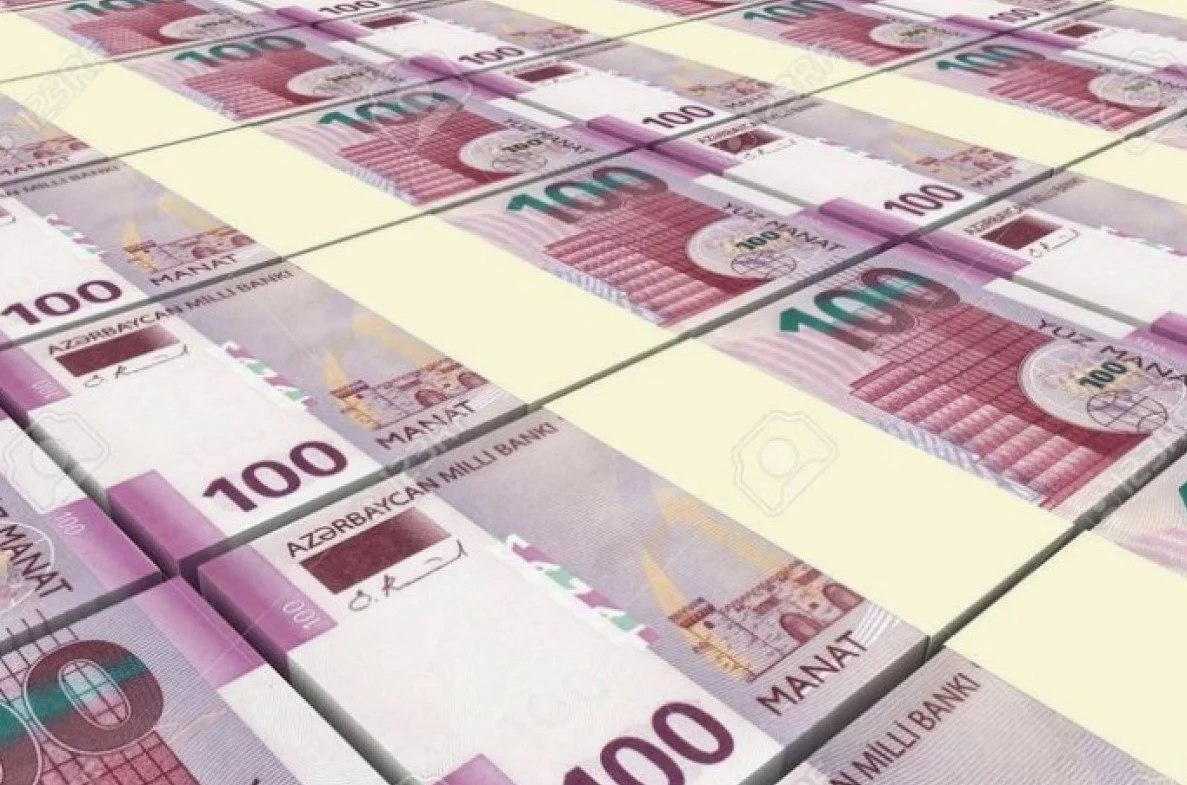
BAKU — Azerbaijan attracted 402 million manats ($236 million) in foreign direct investments for fixed capital during January 2026, the State Statistical Committee reported. The influx represented 28.6% of all investments into fixed assets that month, highlighting the country’s pull for international capital amid regional economic shifts.
Nearly all of that sum — 395 million manats, or 98.3% — came from a tight group of nations and entities. Investors from the United Kingdom led the pack, followed by Türkiye, Russia, the United States, Japan, Switzerland, Iran, Hungary, France and the United Arab Emirates. Officials did not break down exact shares per country, but the concentration highlights established ties with these partners.
The State Statistical Committee tracks these flows monthly to gauge economic health. Fixed capital investments cover long-term assets like buildings, machinery and infrastructure. Foreign sources have played a growing role in Azerbaijan’s economy, which relies heavily on oil and gas exports but pushes diversification into non-energy sectors.
January’s numbers beat some analyst expectations, even as global markets grappled with volatility. Energy prices held steady, supporting investor confidence. Separate data from the Central Bank of Azerbaijan showed overall foreign direct investment ticking up year-over-year, though full-year forecasts remain cautious.
UK firms, often active in energy and logistics, topped the list again. Türkiye’s contributions frequently target construction and trade links. Russian investments, despite sanctions pressures, focus on transport corridors. U.S. players emphasize tech and renewables, while Japanese and Swiss capital flows into manufacturing.
Broader economic indicators painted a mixed picture. Azerbaijan’s GDP grew 4.2% in 2025, per preliminary figures, buoyed by hydrocarbons. Unemployment hovered at 5.1%, with Baku’s metro expansion — backed by a fresh $180 million loan from the Asian Infrastructure Investment Bank — set to create jobs. Gold prices, meanwhile, smashed records at $4,950 per ounce, influencing reserve strategies.
Challenges persist. The State Customs Committee missed its 2025 revenue target by 7%, officials admitted, citing trade disruptions. Inflation eased to 3.8% but food costs lingered high. Government pledges more incentives, including tax breaks in the Alat Free Economic Zone, to lure fresh capital.
Experts watch how these investments translate to jobs and growth. ‘Foreign money bolsters fixed assets, but local absorption matters,’ said economist Vugar Bayramov of the Center for Economic Reforms. February data, due later this month, will test the trend.
Azerbaijan positions itself as a Caspian hub, bridging Europe and Asia. Pipeline projects and digital initiatives draw interest. Yet geopolitical tensions, from Nagorno-Karabakh to Ukraine spillovers, add risks. Investors prize stability, and Baku delivers on that front so far.




Comments
No comments yet
Be the first to share your thoughts