

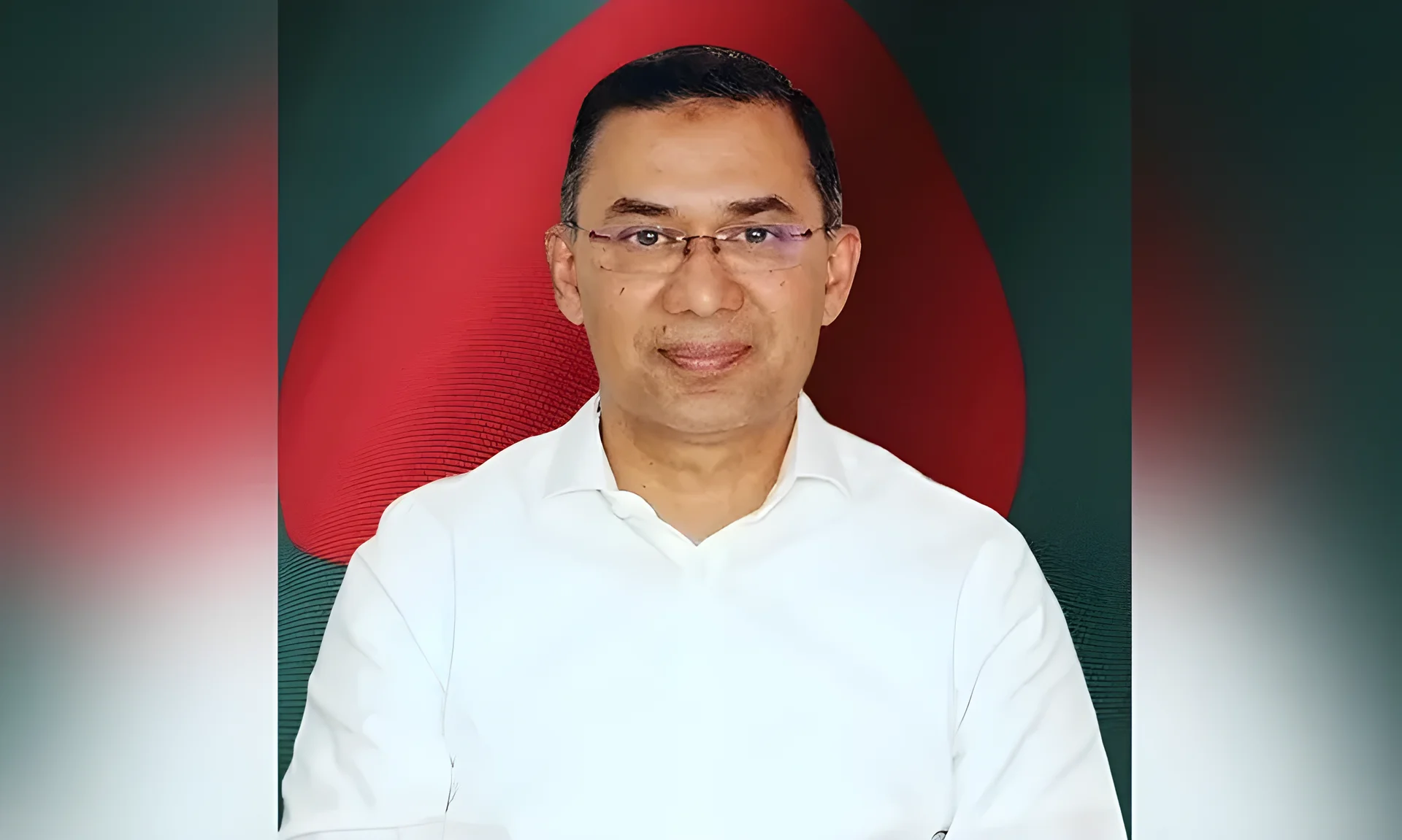
Bangladesh is set to roll out a new government initiative on March 14, which will provide monthly allowances to imams, muezzins, and religious workers across the country. Prime Minister Tarique Rahman will formally inaugurate the program, which is part of a broader effort to promote religious and social harmony.
Program Structure and Initial Rollout
Prime Minister’s Adviser for Public Administration Md Ismail Zabiullah announced the initiative during a press briefing at the Religious Affairs Minister’s office in the Bangladesh Secretariat. The program includes a monthly honorarium for religious personnel across various faiths, including Islam, Hinduism, Buddhism, and Christianity.
The initiative is a key election pledge of the Bangladesh Nationalist Party (BNP) and aligns with the government’s commitment to implementing the promises outlined in its election manifesto. Under the program, the government will initially launch a pilot scheme before the upcoming Eid-ul-Fitr, which is expected to occur in late April 2026.
In the first phase, one mosque from each union and municipality has been selected, totaling 4,908 mosques. For other places of worship, two temples from each upazila have been selected, totaling 990 temples. Additionally, two Buddhist monasteries from each of the 72 upazilas where they exist have been chosen, totaling 144 monasteries. For churches, two have been selected from each of the 198 upazilas where they are present, totaling 396 churches.
Allowance Amounts and Distribution
The monthly allowances for religious personnel under the pilot scheme are set as follows: Taka 5,000 for an imam, Taka 3,000 for a muezzin, and Taka 2,000 for a khadem, totaling Taka 10,000 per mosque per month. For other religious institutions, the allowance structure includes Taka 5,000 for a temple priest, Taka 3,000 for a sebayet (temple caretaker), Taka 5,000 for the head monk of a Buddhist monastery, Taka 3,000 for an assistant monk, Taka 5,000 for a church priest, and Taka 3,000 for an assistant priest. Each temple, Buddhist monastery, and church will receive Taka 8,000 per month.
In addition to the monthly allowances, religious personnel will receive festival allowances. Imams, muezzins, and khadems will receive Taka 1,000 each during Eid-ul-Fitr and Eid-ul-Azha, while priests, sebayets, head monks, assistant monks, church priests, and assistant priests will receive Taka 2,000 each during Durga Puja, Buddha Purnima, and Christmas.
Zabiullah stated that Taka 27.13 crore will be required in the current fiscal year to implement the program. The allowances will be transferred directly to the beneficiaries’ bank accounts through Sonali Bank by March 15. He emphasized that the system is designed to eliminate any scope for corruption.
Significance and Impact on Society
The initiative is expected to have a significant impact on religious and social harmony in Bangladesh, where religious diversity is a key feature of the society. By providing financial support to religious workers, the government aims to ensure their continued service to the community while also improving their livelihoods.
Ordinary citizens, particularly those who rely on religious institutions for spiritual and social support, may benefit from the stability and improved conditions of these institutions. The program also aligns with broader government efforts to address poverty and improve the quality of life for vulnerable populations.
According to Zabiullah, the government has already taken steps to implement other key promises from the election manifesto, such as the Family Card and Farmer’s Card. The new initiative for religious workers is part of a broader strategy to fulfill the commitments made during the election campaign.
With the program set to launch in March, the government has emphasized the importance of timely implementation. The direct transfer of funds through Sonali Bank is a critical component of the initiative, ensuring transparency and accountability in the distribution of allowances.





Comments
No comments yet
Be the first to share your thoughts