

BEIJING — On a summer afternoon in 1990, ten children sat in a converted classroom on the grounds of the Norwegian embassy, opening what would become the Beijing Montessori International School. Thirty-five years later, the school has marked its anniversary by launching three foreign partnerships, with a California public school district, a British university foundation, and Broadway, as the city’s expatriate student population has slid to less than half its 2006 peak.
The pivot illustrates the bind facing China’s international schools, an industry built around foreign-passport families that the Beijing Statistical Bureau says shrank from 8,523 in 2006 to 4,954 in 2020. The 50 percent decline, accelerated by the pandemic, has pushed at least two foreign-curriculum schools out of the market in the past two years and forced top-tier campuses to raise application fees and add new enrollment charges. MSB’s response is to widen its overseas pipelines while doubling down on a slow, child-centered Montessori model that runs against the grain of China’s test-driven mainstream system.
From Embassy Yard to a Four-Building Campus
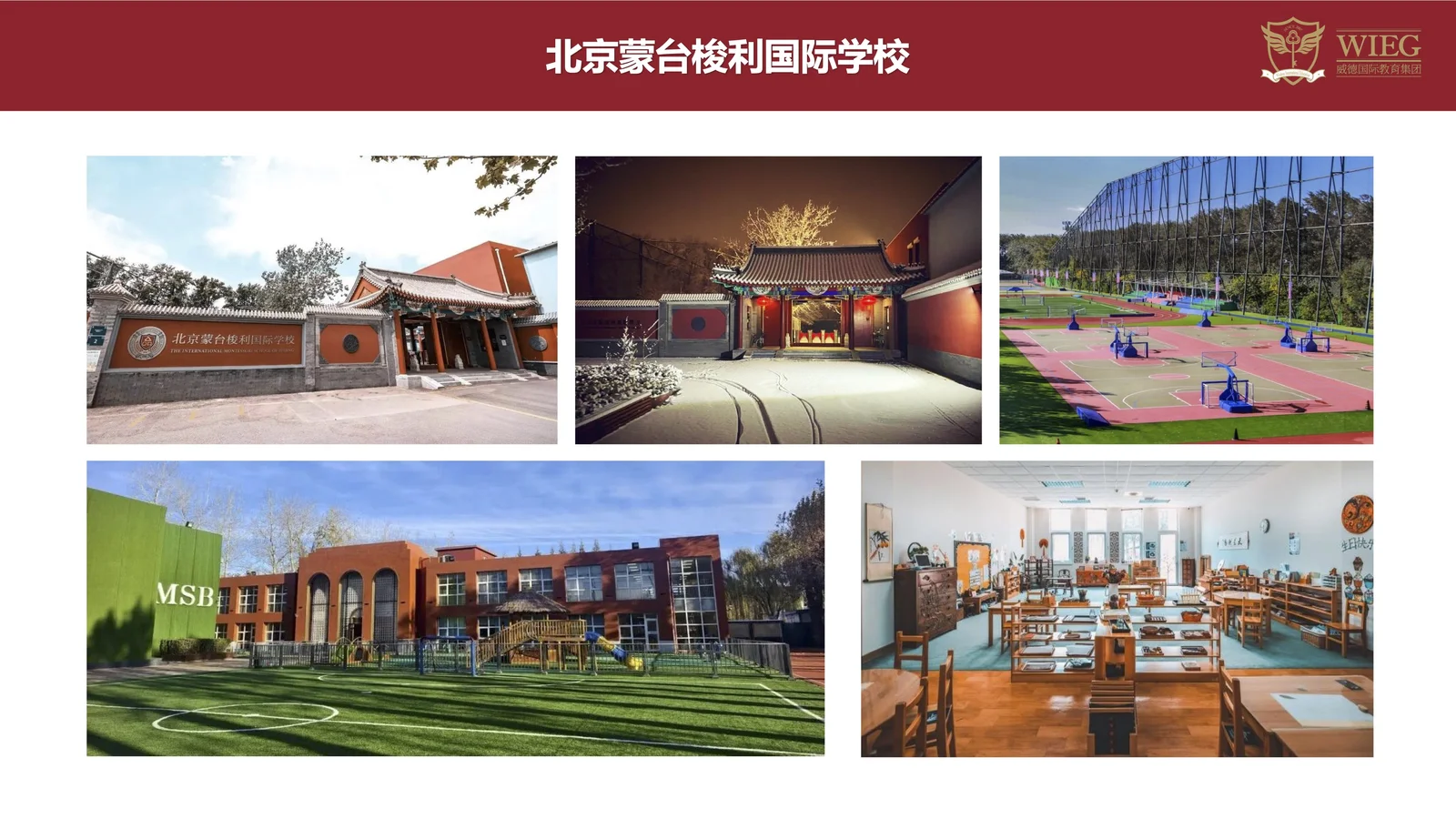
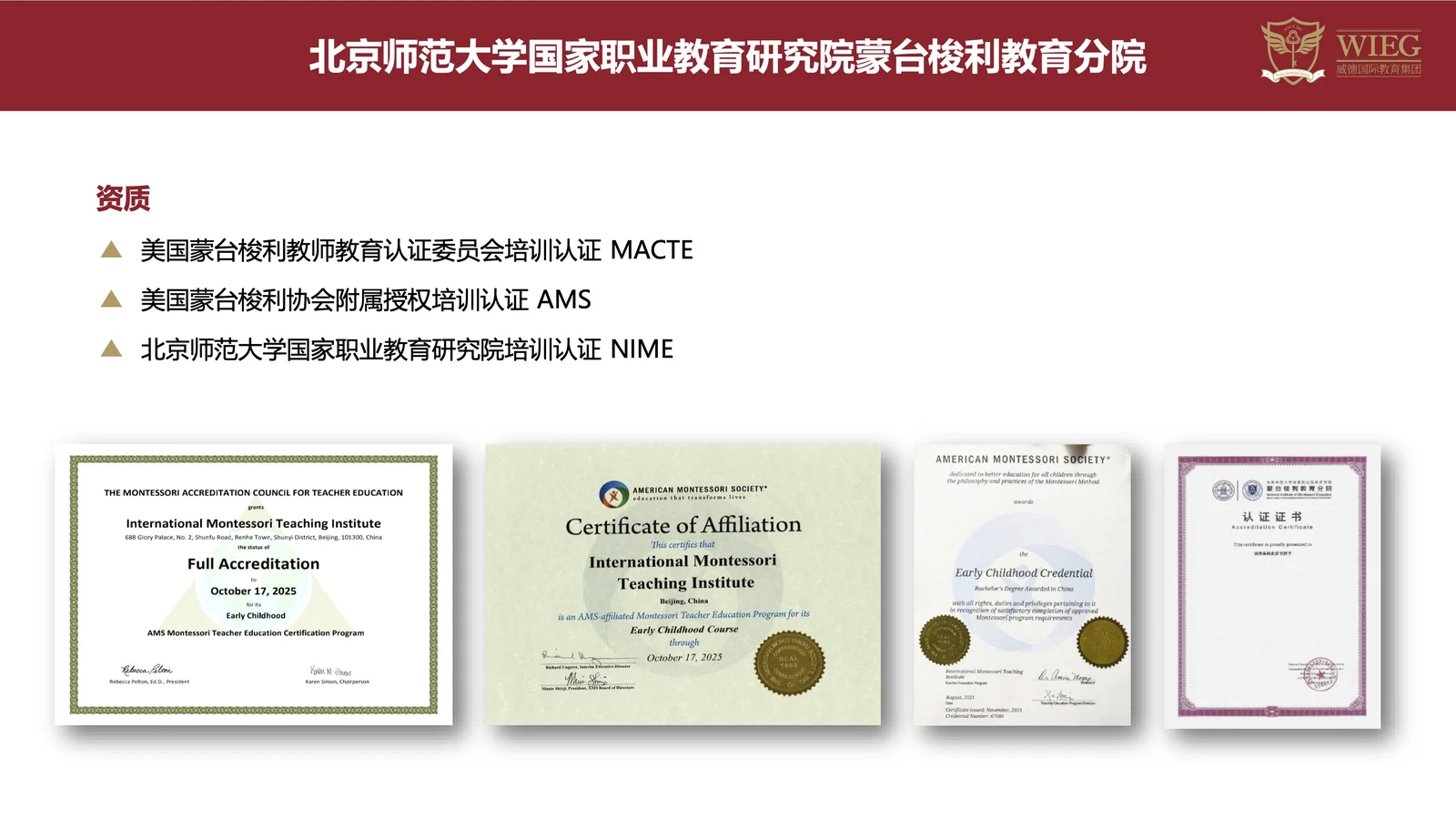
The school today occupies a 19,000-square-meter campus on Xiangjiang North Road, with about 400 students from 21 countries housed in four separate buildings for infants, preschoolers, primary, and secondary students. It is the first Chinese member school accredited by the American Montessori Society, and the first in Asia to offer Montessori instruction across all ages from zero to eighteen.
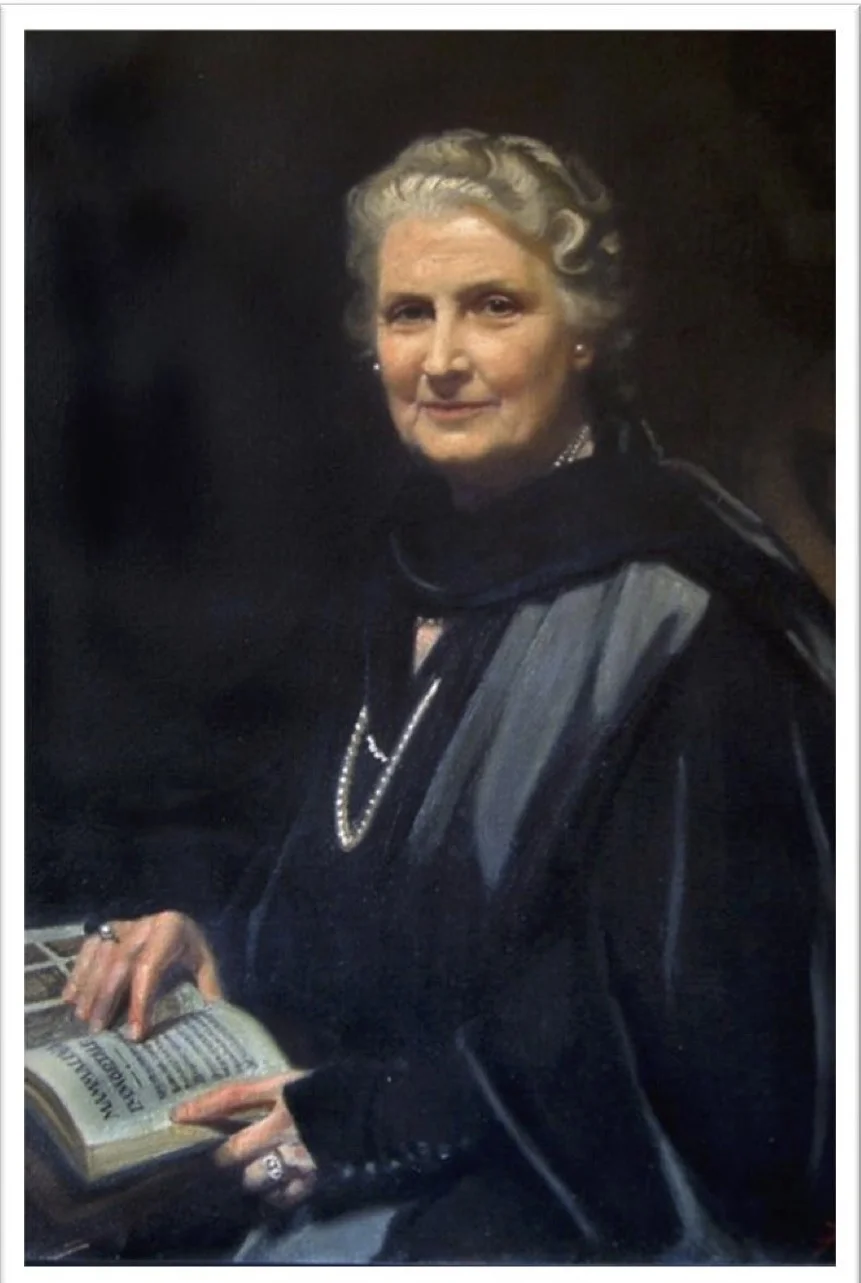
That continuity has been the exception, not the rule, for Montessori in China. The method, devised by Maria Montessori, the first woman in Italy to earn a medical degree, reached China as early as 1914 and ran in a kindergarten attached to the National Beiping Women’s Normal University by 1923. After 1949, authorities labeled it bourgeois child-centered ideology and it disappeared from the mainland for nearly four decades. The thread was reconnected only in 1985, when Lu Leshan, a professor at Beijing Normal University, published a Chinese-language treatment of Maria Montessori’s pedagogy. MSB opened five years later, four years before the same university launched its formal Montessori research project.
The school moved out of the embassy compound to the Sanlitun Diplomatic Language and Culture Center in 1995, added Mandarin instruction, and consolidated its scattered campuses at the current Xiangjiang North Road site in 2012. Its secondary school opened in 2019, completing the zero-to-eighteen pipeline.
The Market Squeeze
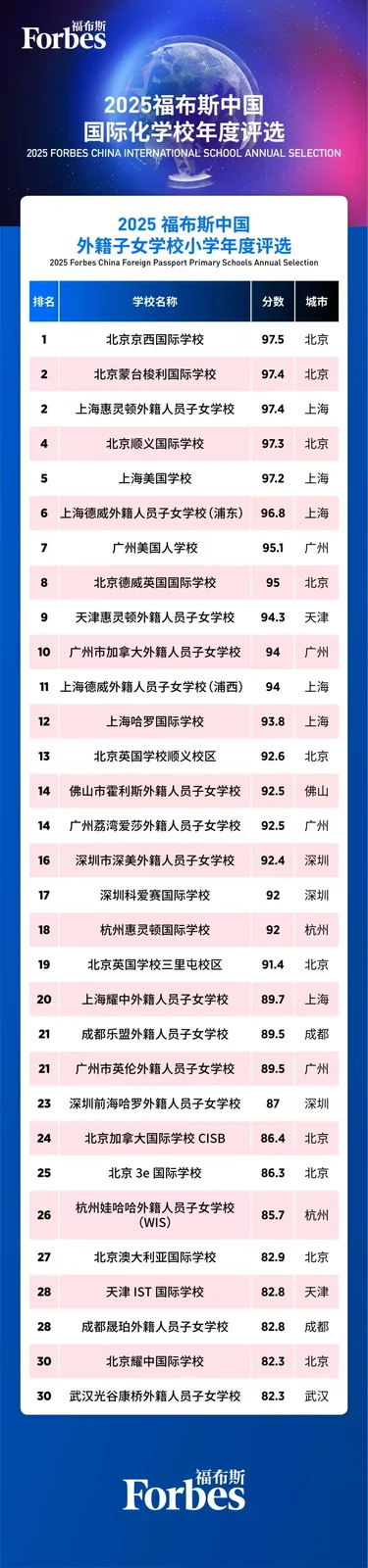
MSB’s anniversary lands at one of the toughest moments for the foreign-curriculum sector in China. The number of Chinese students attending universities in the United States has slid from a peak near 370,000 to roughly 280,000, and India has overtaken China as the largest source country for the first time. Chinese students’ share of international enrollment in Britain has dropped to 22 percent from 32 percent. The Hurun Education 2025 China International School Rankings have flagged the contraction of the foreign-passport pool as the central pressure on schools that, like MSB, are restricted by law to enrolling the children of legally resident foreign nationals.
Beijing International School, known as BISS, closed in 2023. The Singapore-based Invictus International School pulled out of China entirely. Even the prestigious International School of Beijing in the Shunyi district has raised application fees and introduced new charges, a signal that fixed costs are running ahead of enrollment. Industry reports from TopThink Research treat the headcount slide as structural rather than cyclical.
Three Bets for 2025
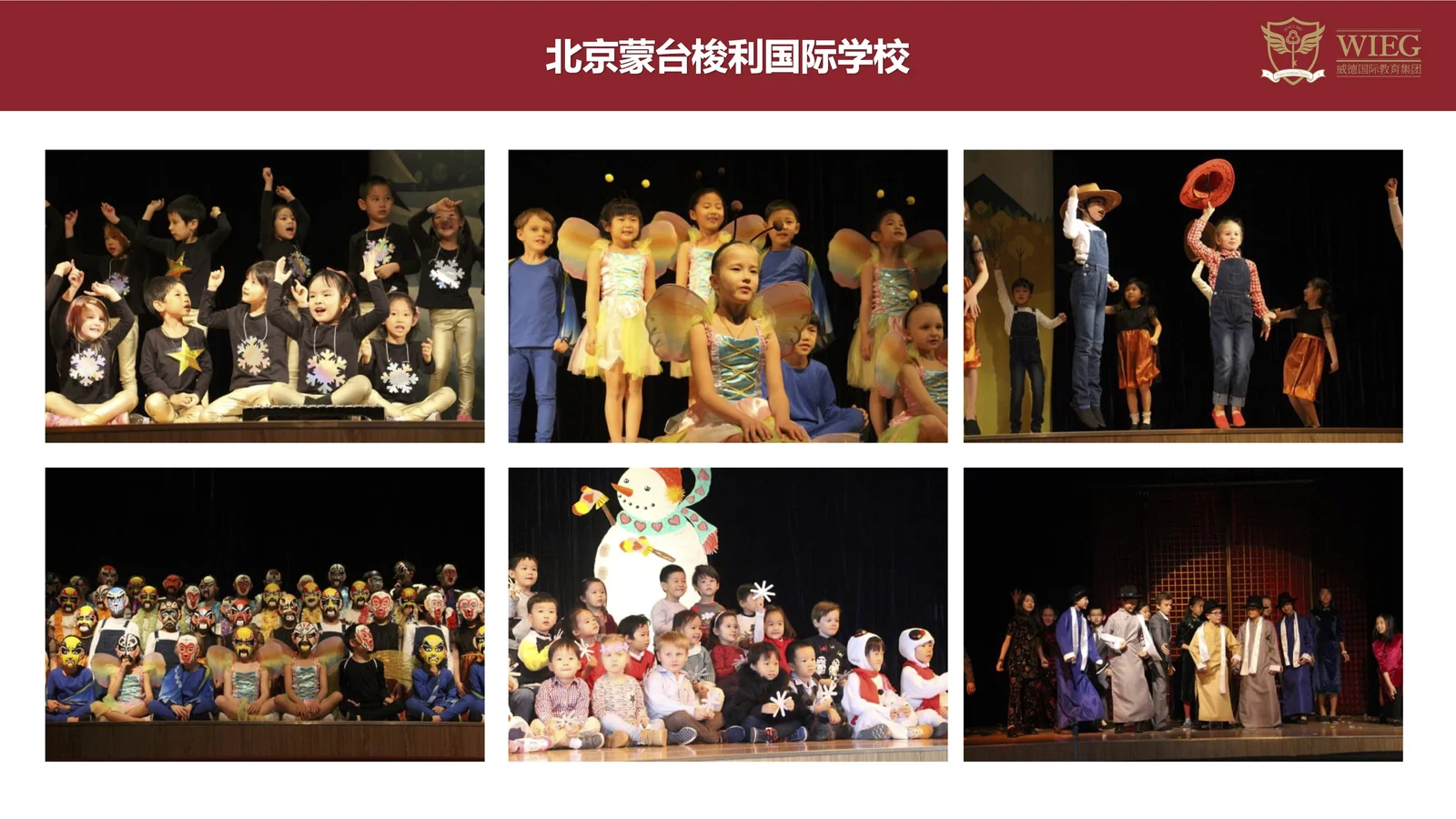
Against that backdrop, MSB has placed three new bets this year. It has signed a partnership with the Placentia-Yorba Linda Unified School District in California, a 34-school system serving 24,000 students whose four high schools rank in the top nine percent of the U.S. News & World Report 2025 to 2026 list. It has launched the UFP MSB British University Foundation, intended to feed graduates directly into United Kingdom higher education. And it has set up an arts-education center with Broadway and the Tony Awards China, framing the arts as a means of understanding the world rather than as a credential.
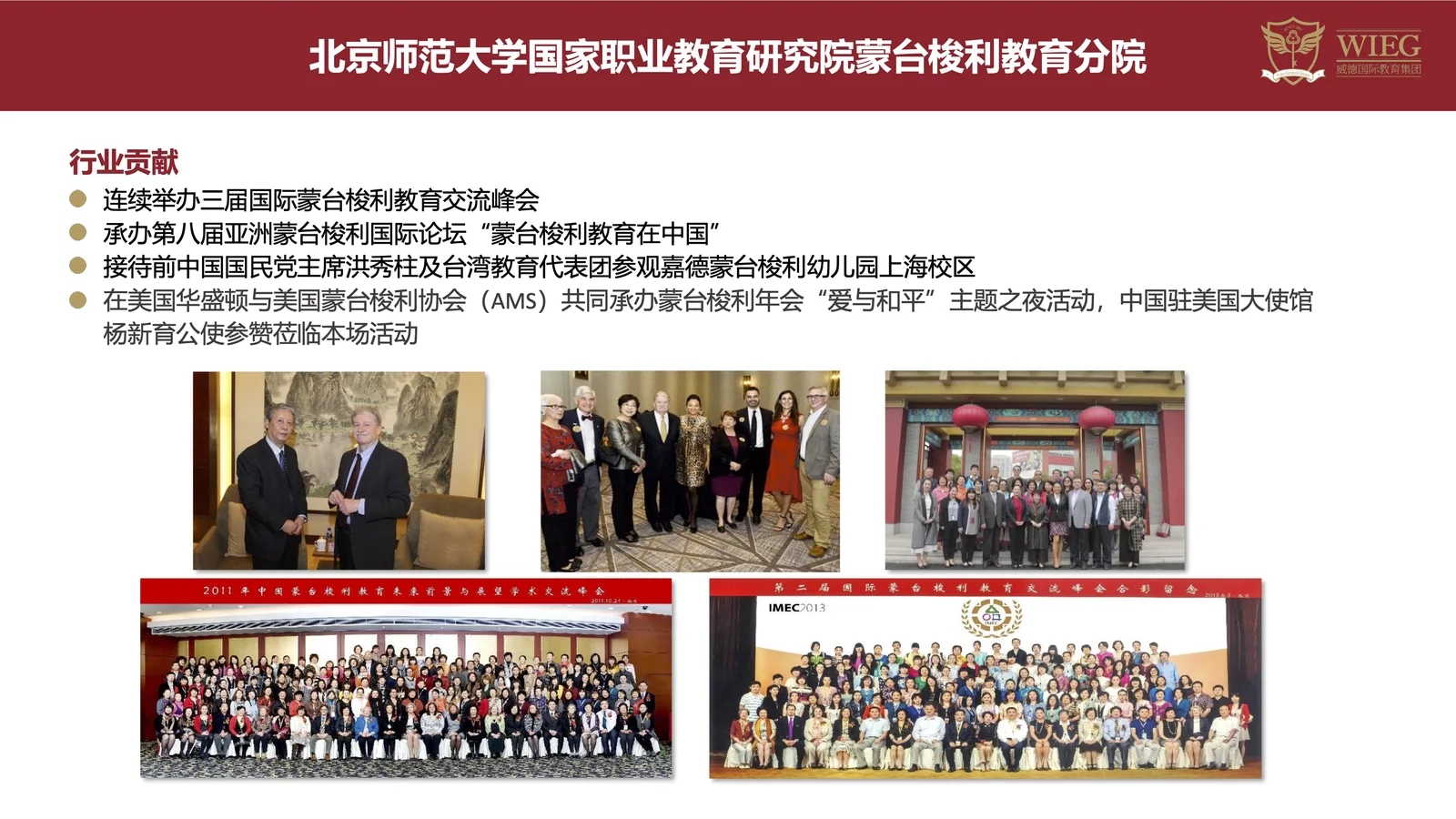
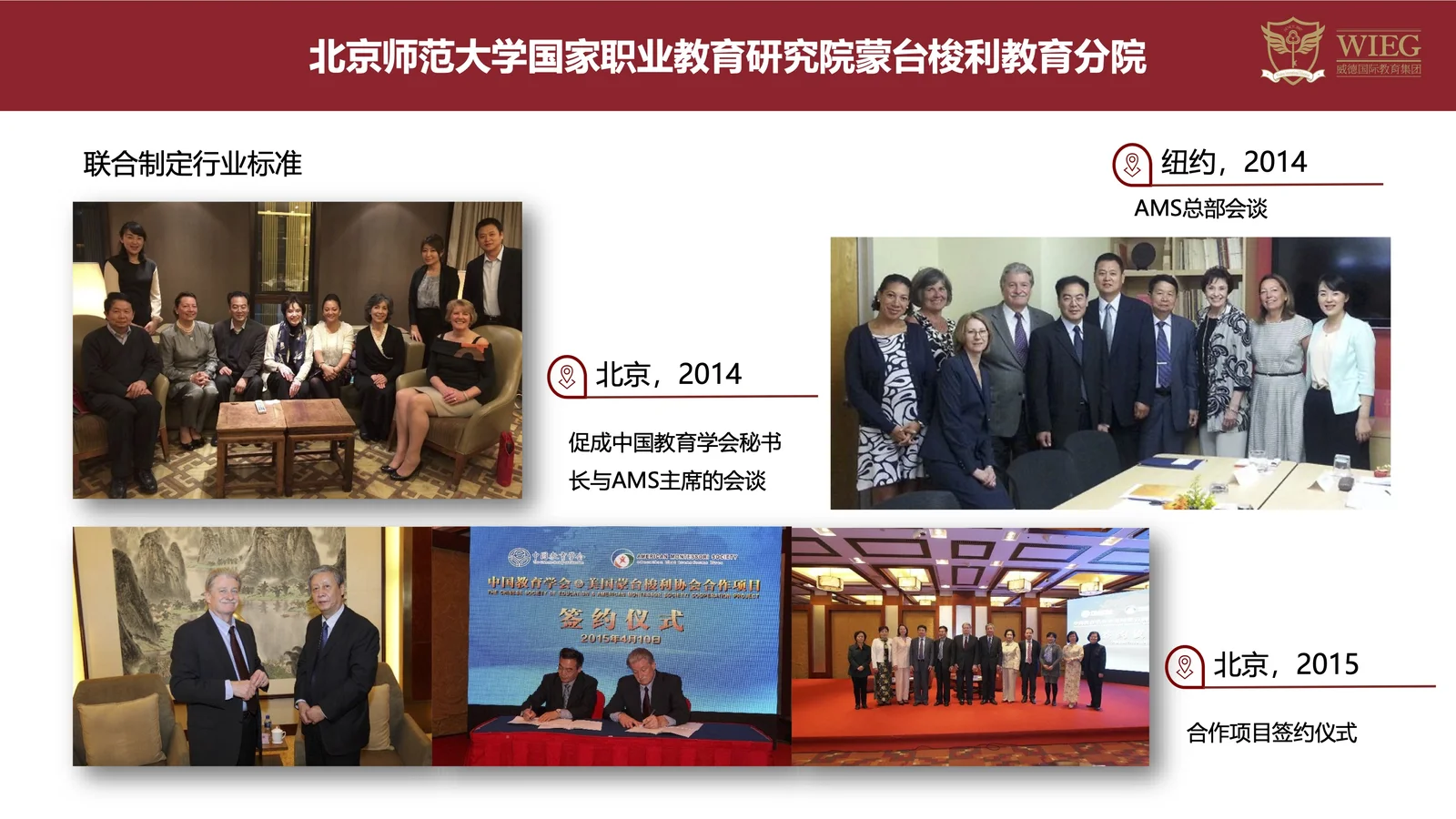
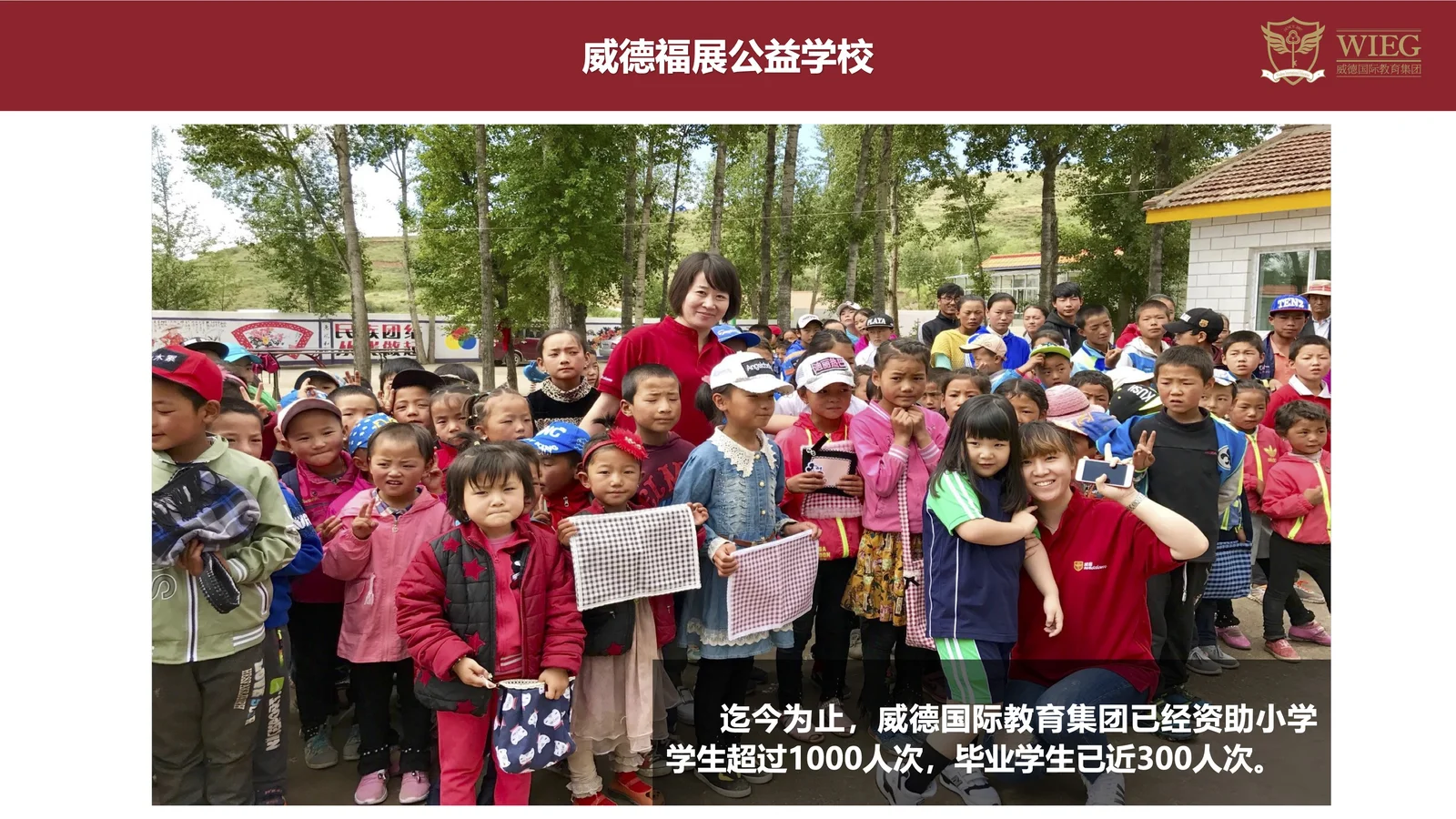
The American Montessori Society membership and accreditation administration, against which MSB measures itself, is unusually rigorous. Of roughly 1,300 AMS member schools worldwide, only about 15 percent are formally accredited; the process typically runs two to three years through self-study, documentation, and on-site evaluation, with reaccreditation every seven years. MSB sits inside the Weide International Education Group, which has positioned itself as a standard-setter through its Montessori branch at Beijing Normal University, established in 2009 and formally authorized by the university in 2016. The group’s chairman, Wu Sihui, brokered a 2014 meeting between Yang Nianlu, then secretary-general of the Chinese Educational Society, and Joyce S. Pickering, then president of AMS, to discuss localizing those standards.
A Generic Word, a Narrow Lane
The Montessori brand itself is a complication. In 1967, the U.S. Patent and Trademark Office ruled the name Montessori generic, free for any school to adopt. A 2005 survey across eight Chinese cities found that 92.8 percent of nursery directors recognized the term and that 78.8 percent of the top twenty kindergartens in those cities described themselves as Montessori-influenced. Industry observers argue that this familiarity has come at the cost of orthodoxy, with many programs adopting the look of mixed-age classrooms and self-directed learning without the underlying teacher training.
MSB’s regulatory ceiling is also fixed. Under Beijing’s Foreign-Family School Management Measures, the school may only enroll the children of legally resident foreign nationals. However stable its faculty or distinctive its curriculum, its market is a small, policy-defined pool, and that pool is shrinking.
The Cost of Slowness
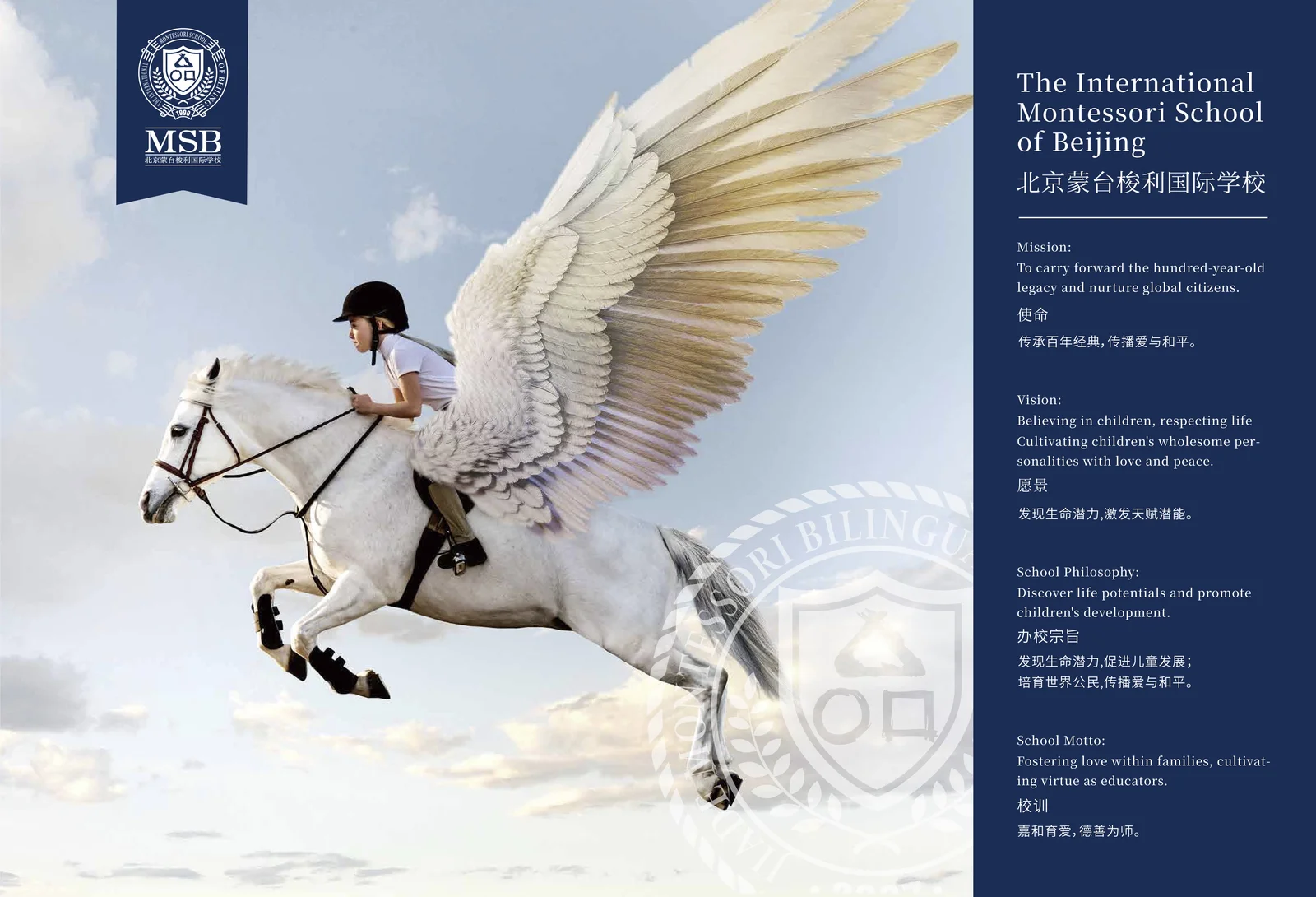
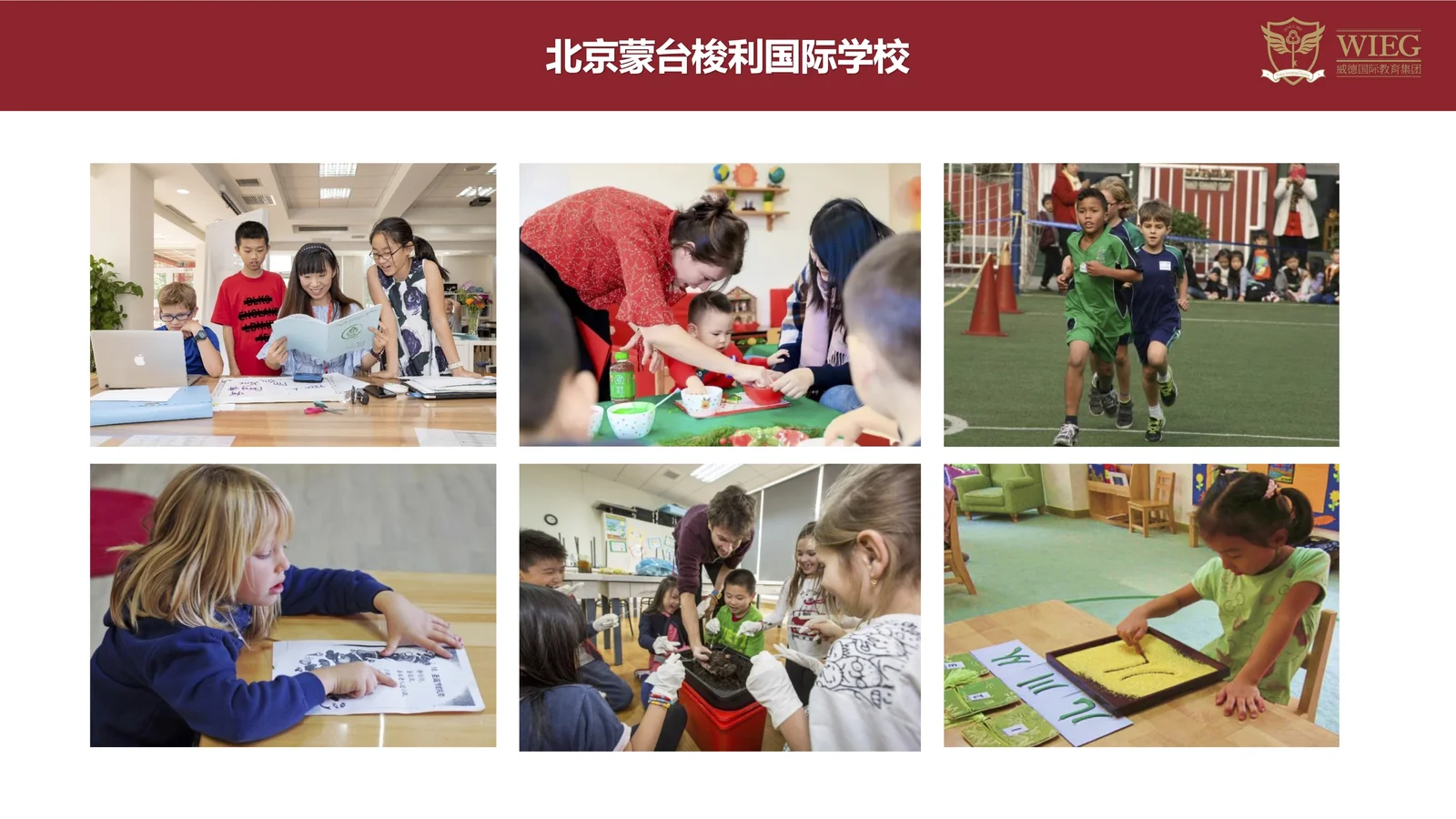
Inside the campus, the rhythm is deliberate. All-English classes include 40 minutes of Mandarin a day; bilingual sections split the day evenly. Murals painted by students under the direction of the Spanish artist El Tono line the corridors. Many teachers have been at MSB for years, and the brochure language, transmit a century of tradition and spread love and peace, reads more like a school in postwar Europe than a fee-driven international academy in 2026 Beijing.
We cannot create geniuses, Maria Montessori once said, but we can give them the chance to emerge. Across thirty-five years, MSB has not become a giant. It has, however, kept a working version of an alternative pedagogy alive in a Chinese market that is rapidly consolidating around standardized testing. Whether that bet survives the next thirty-five years is uncertain. But the ten children in the embassy classroom in 1990 already belong to the country’s educational record.






Comments
No comments yet
Be the first to share your thoughts