

 BBC
BBC 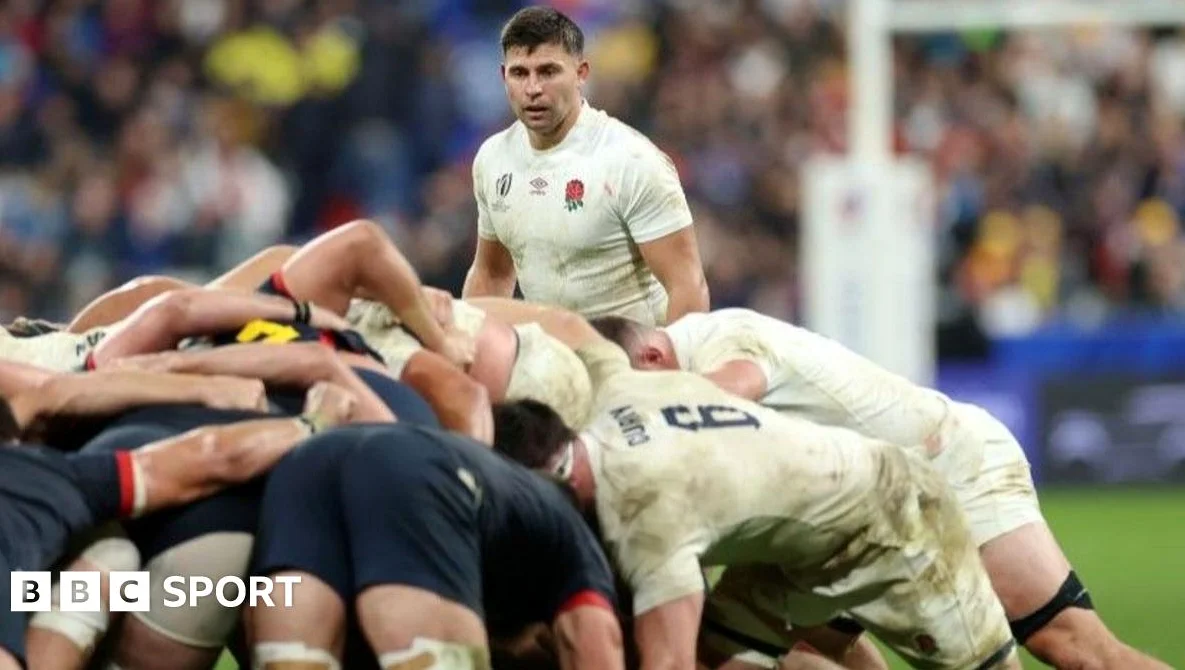
Ben Youngs, a former England and Leicester Tigers rugby player, admitted he was emotionally overwhelmed after discussing the diagnosis of motor neurone disease (MND) with his former teammate Lewis Moody in a BBC Sport documentary. The emotional moment came as they reflected on the risks of the sport they both love.
Emotional Reactions and the Impact of MND
Youngs recounted the moment he had to step away from the conversation with Moody, who was diagnosed with MND. ‘I could not hold it together any more. I had to step away,’ he said. ‘I took a moment to look over the pitch, took a deep breath, and returned to give him a big hug.’
Despite the emotional weight of the conversation, both men found solace in their shared passion for rugby. ‘What set us both off was talking about the sport we love – rugby,’ Youngs said.
Moody, known as ‘Mad Dog’ in the Leicester Tigers dressing room, has no regrets about the hard-hitting style of play he once embraced. ‘Even if there was a link between MND and repeated concussion, I have no regrets about the way I played,’ he said in the documentary.
Rugby’s Safety Debate Intensifies
Youngs, now a father, began to question whether the rugby he played at the highest level was truly safe. ‘I started wondering, is the game ‘Mad Dog’ and I played at the highest level really that safe? Is the game I take my young son Boris to play every Sunday really that safe?’ he asked in the documentary.
Despite the lack of scientific evidence definitively linking MND with repeated concussion, Youngs said he did not want to let his love for the game blind him to the risks. ‘I didn’t want to let my love for the game blind my thinking, so I decided to find out more,’ he said.
Rugby is often described as both beautiful and brutal, with the risk of head injury being a central concern for players, coaches, and parents. The conversation between Youngs and Moody highlights the ongoing debate about player safety in the sport.
What Analysts Say About Player Safety
Experts in sports medicine and former players have long debated the link between rugby and neurological conditions such as MND. While no definitive connection has been proven, the conversation has gained more attention in recent years as more high-profile players have been diagnosed with the disease.
According to a 2023 report by the Rugby Players Association, 12 former professional rugby players have been diagnosed with MND, with some cases emerging as early as their 30s. The report also noted that while the number of cases is relatively small compared to the overall player population, the impact on families and the sport is significant.
‘The emotional and physical toll on players and their families is immense,’ said Dr. Helen Carter, a sports neurologist. ‘We need more research and better protocols to ensure the safety of players at all levels.’
Youngs’ documentary has sparked discussions about the need for further research and the implementation of more protective measures in the sport. Some critics argue that the current safety measures are not sufficient, especially for younger players who may be more vulnerable to long-term effects.
The BBC Sport documentary has also prompted calls for greater transparency from governing bodies about the risks associated with rugby. Parents and coaches are increasingly seeking information about the potential long-term effects of playing the sport, particularly at a young age.
Youngs’ personal journey in the documentary has not only highlighted the emotional toll of discussing MND but also the broader implications for the future of the sport. ‘I hope this documentary can help raise awareness and encourage more research into the safety of rugby,’ he said.






Comments
No comments yet
Be the first to share your thoughts