

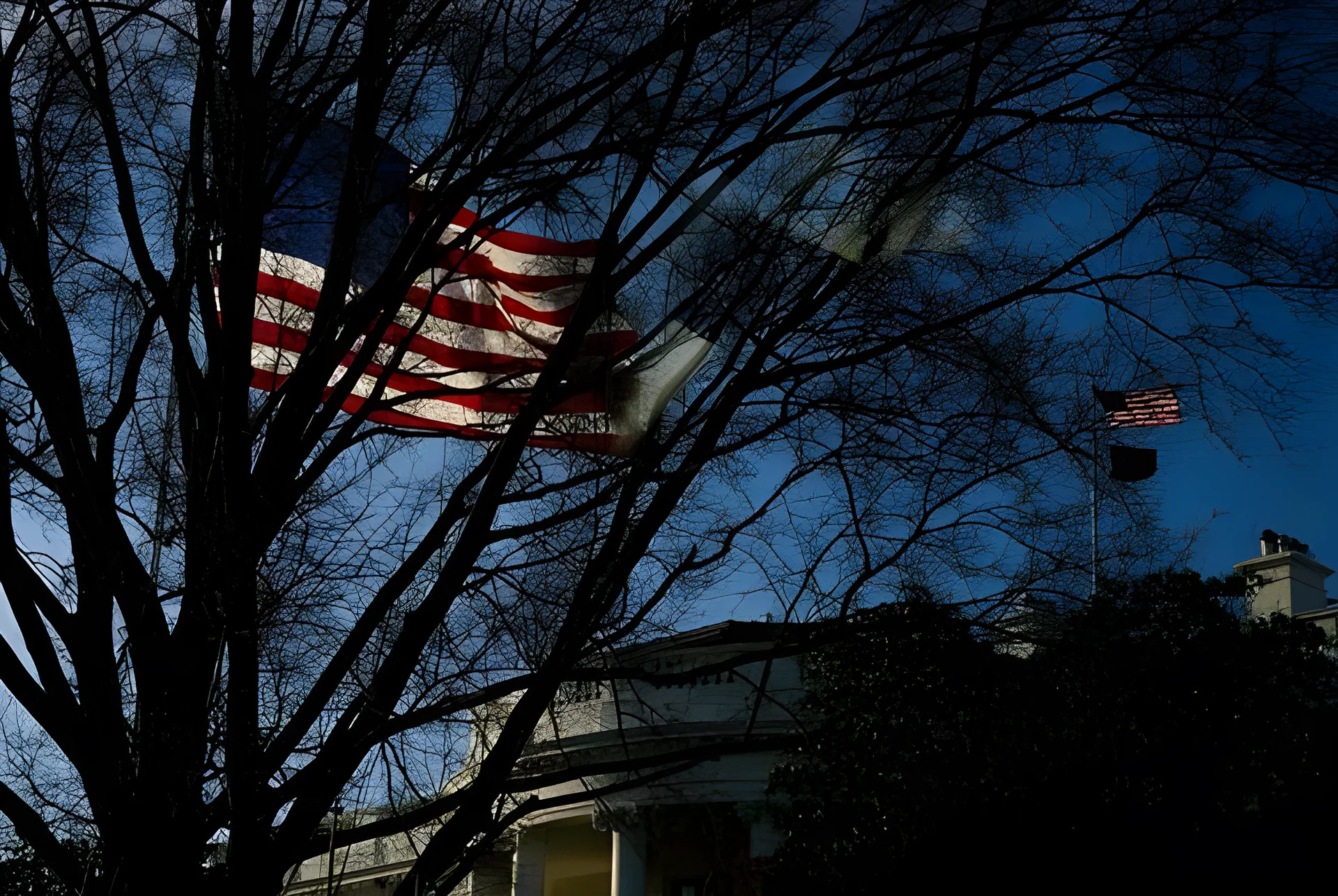
The United States has spent $12 billion on its military offensive against Iran, according to Kevin Hassett, a senior economic adviser to President Donald Trump. The figure, revealed in a Sunday interview with CBS News, reflects the cost of the ongoing military campaign launched in conjunction with Israel, and the administration insists that no further funding from Congress will be required to sustain the operation.
Cost of Precision Strikes and Air Assaults
Hassett stated that the $12 billion figure represents the amount spent so far, though he clarified that it does not encompass the full cost of a full-scale offensive, which he expects to last several weeks. Earlier Pentagon estimates had already indicated that the war’s cost surpassed $11.3 billion within the first six days, driven primarily by the extensive use of precision-guided munitions and air assaults.
According to the Pentagon, the high cost of the operation is largely due to the advanced weaponry being deployed, including a significant number of precision-guided bombs and missiles. These weapons are known to be more expensive than conventional munitions, and their use has contributed significantly to the rising cost of the campaign.
“The $12 billion was what I was briefed has been spent so far,” Hassett said, emphasizing that the administration does not anticipate asking lawmakers for additional funding. He added that the current military stockpiles are sufficient to continue the offensive without requiring emergency appropriations.
White House Assurances on Economic Impact
The White House has sought to reassure the American public that the war will not significantly strain the U.S. economy. Officials argue that the current funding mechanisms, including existing defense budgets and reserve funds, are adequate to sustain the operations without requiring new congressional approval.
White House officials have long maintained that the U.S. military is prepared to conduct operations without additional budgetary support. This stance has been reinforced by the administration’s belief that the current level of readiness and stockpiling is sufficient for the duration of the conflict.
“We are not going to ask for additional funding,” Hassett said, reinforcing the administration’s position that the existing military infrastructure can support the offensive without requiring new congressional action. This assurance comes amid growing public concern over the financial implications of the war.
Context of Escalating Tensions
The current conflict between the United States and Iran is the latest in a series of escalating tensions that have persisted since the early 2000s. The situation has been further complicated by the involvement of Israel, which has conducted several military strikes in response to perceived threats from Iran.
Analysts note that this is not the first time the U.S. has engaged in military action against Iran without explicit congressional authorization. Similar operations were conducted during the George W. Bush administration and more recently under the Trump administration, though the scale and cost of this particular campaign are unprecedented.
“This is a significant escalation in terms of both cost and intensity,” said a defense analyst at a major think tank. “The use of advanced weaponry and the sheer scale of the operation are placing a heavy financial burden on the U.S. military, even if the administration claims it is self-sustaining.”
According to Pentagon officials, the $12 billion figure includes the cost of aircraft, munitions, personnel, and logistics. The administration has not provided a detailed breakdown of how the money is being allocated, but it is widely assumed that a large portion is going toward the procurement of precision-guided weapons and the maintenance of air assets.
What’s Next for the Conflict
As the conflict continues, the White House is expected to provide further updates on the cost and progress of the military campaign. However, no official timeline has been given for the duration of the operation, and the administration has not indicated whether the war will require any additional funding in the future.
Experts predict that the situation could become more complex as the conflict continues, particularly if Iran retaliates or if other regional actors become involved. The financial implications of the war could also have broader economic consequences, including inflation and increased defense spending.
“The administration is under pressure to justify the costs of the war, both in terms of immediate funding and long-term economic impact,” said an economic analyst. “If the situation escalates further, the financial burden on the U.S. could become more significant than anticipated.”
With the current funding in place and no indication of further congressional requests, the White House remains confident that the military can continue its operations without additional support. However, the long-term sustainability of this approach remains uncertain, and the financial toll of the war could have lasting effects on the U.S. economy.





Comments
No comments yet
Be the first to share your thoughts