

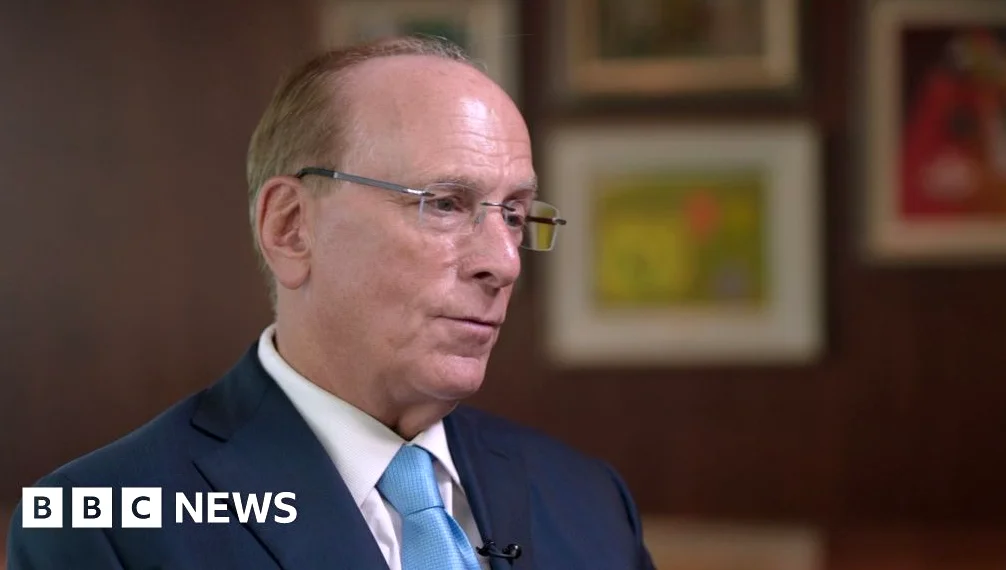
BlackRock CEO Larry Fink has warned that sustained oil prices above $150 per barrel could trigger a global recession, according to reports from BBC and Yahoo Finance. The warning comes amid escalating tensions between Israel and Iran, which have led to rising oil prices and economic uncertainty.
BlackRock’s Economic Warning
Larry Fink. The boss of financial giant BlackRock. Stated that if oil prices remain high for an extended period, it would have ‘profound implications’ for the world economy. Fink’s remarks were made during a speech at the White House, where he emphasized the potential risks of prolonged high oil prices.
According to the BBC. Fink highlighted that Asia. Which relies heavily on oil and gas from the Gulf, is already feeling the impact of rising prices and shortages, but the situation is causing disruptions in everyday life across the region, with higher transportation costs and increased inflation.
Yahoo Finance reports that Fink’s warning follows recent developments in the Middle East, where Israel and Iran have exchanged strikes, raising fears of a broader conflict. The situation has led to increased volatility in global oil markets, with prices fluctuating sharply in response to geopolitical tensions.
Iran War Impact on Global Markets
The ongoing conflict between Israel and Iran has had a significant impact on global markets, particularly in the energy sector. According to the BBC. The situation has led to a fuel crisis in Asia, where countries depend heavily on oil imports from the Gulf — Shortages and rising prices are beginning to affect economies across the region.
Yahoo Finance reports that the war has also raised concerns about the potential for a global recession, with economists warning of the economic consequences of prolonged conflict. Nouriel Roubini. A professor at New York University, has stated that the war could lead to a ‘moderate’ hit to US economic growth, with rising oil prices and ongoing conflict weighing on the economy.
According to the BBC, the US government has been engaged in peace negotiations with Iran, with President Trump stating that negotiations to end the conflict are happening ‘right now.’ However, the situation remains tense, with both sides exchanging strikes and showing no immediate signs of de-escalation.
Global Economic Concerns
BlackRock’s warning about the potential for a global recession due to high oil prices has sparked concern among economists and policymakers around the world. According to the BBC, the situation has highlighted the vulnerability of global economies to energy price fluctuations, particularly in regions that rely heavily on imported oil.
Yahoo Finance reports that the rise in oil prices has also had a direct impact on consumer prices, leading to higher inflation rates in several countries. The situation has prompted calls for increased investment in alternative energy sources to reduce dependence on fossil fuels.
According to the BBC, the US government is closely monitoring the situation, with officials expressing concern about the potential for a prolonged conflict and its economic consequences. The White House has been in discussions with various groups to find a resolution to the conflict and mitigate its impact on the global economy.
Future Outlook and What’s Next
As the situation in the Middle East continues to evolve, the global economic outlook remains uncertain. According to the BBC, the potential for a global recession due to high oil prices has raised concerns among financial experts and policymakers.
Yahoo Finance reports that the ongoing conflict and its impact on oil prices are likely to remain a key issue for the foreseeable future. The situation has highlighted the need for greater international cooperation to address energy security and economic stability.
According to the BBC, the US government is actively engaged in peace negotiations with Iran, with President Trump indicating that efforts to reach a deal are ongoing. However, the outcome of these discussions remains unclear, and the situation could still take a turn for the worse if tensions continue to escalate.
What’s next for the global economy will depend largely on the resolution of the conflict in the Middle East and the stability of oil prices. If the situation de-escalates and oil prices stabilize, the risk of a global recession may be mitigated. However, if the conflict continues and oil prices remain high, the economic consequences could be severe.
Local Reactions and Economic Impact
The impact of the rising oil prices and the potential for a global recession is being felt across different regions. According to the BBC, countries in Asia, which are heavily dependent on oil imports, are experiencing increased inflation and economic strain.
Yahoo Finance reports that the situation has also raised concerns in Europe, where energy prices have been rising due to the conflict. The European Union is monitoring the situation closely and has called for increased investment in renewable energy sources to reduce dependence on imported oil.
According to the BBC, the local impact of the conflict is also being felt in the United States, where rising oil prices are affecting consumer spending and economic growth. The US government is working to stabilize the economy and mitigate the effects of the conflict on the domestic market.
The situation highlights the interconnectedness of global economies and the potential for regional conflicts to have far-reaching economic consequences. As the conflict in the Middle East continues, the world will be watching closely to see how the situation develops and what steps will be taken to address the economic challenges ahead.



Comments
No comments yet
Be the first to share your thoughts