

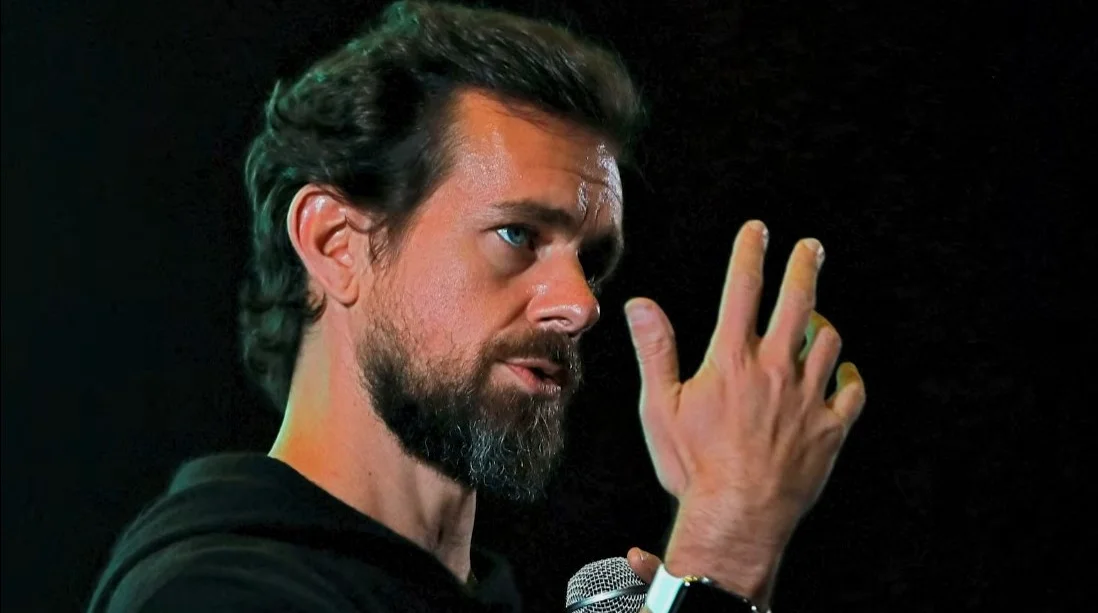
Block, the fintech company once led by Jack Dorsey, has found itself at the center of a financial and reputational storm following a $68 million corporate party in September 2025, just five months before the company laid off 4,000 workers—nearly 40% of its workforce. The timing of the lavish event, which has been compared to the annual payroll of roughly 200 high-earning employees, has raised serious questions about the company’s financial management and strategic decisions.
Impact on Employees and Public Perception
The 4,000 layoffs, announced in February 2026, have left many employees questioning the company’s priorities. The cuts were officially attributed to a strategic shift toward artificial intelligence and automation, with executives stating that the move would allow Block to become more efficient and modern. However, the juxtaposition of such a large-scale party with the subsequent job cuts has led to public skepticism about the true reasoning behind the layoffs.
Many affected workers and observers have pointed out that the timing of the event and the layoffs seems contradictory. The $68 million spent on the party is equivalent to the annual compensation of approximately 200 employees earning $340,000 each. This has fueled accusations that the company’s leadership was out of touch with the financial realities faced by the broader workforce.
Strategic Shift or Financial Mismanagement?
Block’s management has consistently framed the layoffs as a necessary step in the company’s evolution. Executives have argued that the move toward AI and automation is essential to remain competitive in the fintech industry. However, some analysts and industry observers are skeptical of this narrative, suggesting that the company may have overextended its budget in the short term before being forced to make drastic cuts.
According to a report by a financial analysis firm, the timing of the $68 million party and the subsequent layoffs raises questions about whether the company’s financial planning was misaligned with its strategic goals. The report noted that while AI and automation are indeed transforming the financial sector, the sequence of events at Block appears to suggest a more immediate need for cost-cutting than a long-term strategic pivot.
One analyst said, ‘It’s hard to ignore the timeline. When you have a company that spends millions on a party and then lays off a significant portion of its workforce just months later, it’s natural for people to question the underlying reasons.’ The analyst added that the perception of mismanagement could have long-term consequences for the company’s reputation and investor confidence.
Future Implications for Block
The coming months will be critical for Block as it handles the fallout from these events. The company faces not only the challenge of rebuilding trust with its employees and stakeholders but also the broader task of proving that its strategic shift toward AI is both necessary and effective.
According to industry forecasts, Block’s financial performance will be closely watched, with particular attention on whether the company can achieve the promised efficiencies through automation. If the AI-driven restructuring fails to deliver results, the company may face further pressure to adjust its strategy.
Moreover, the incident has sparked a broader conversation about corporate responsibility and the alignment of executive decisions with the interests of the workforce. Some labor advocates have called for greater transparency and accountability in how companies allocate their resources, particularly in times of economic uncertainty.
For now, the focus remains on whether Block can successfully rebrand its narrative and demonstrate that the layoffs were a calculated step toward a more sustainable future. If the company can achieve this, it may still be able to recover from the reputational damage caused by the $68 million party and the subsequent job cuts.






Comments
No comments yet
Be the first to share your thoughts