

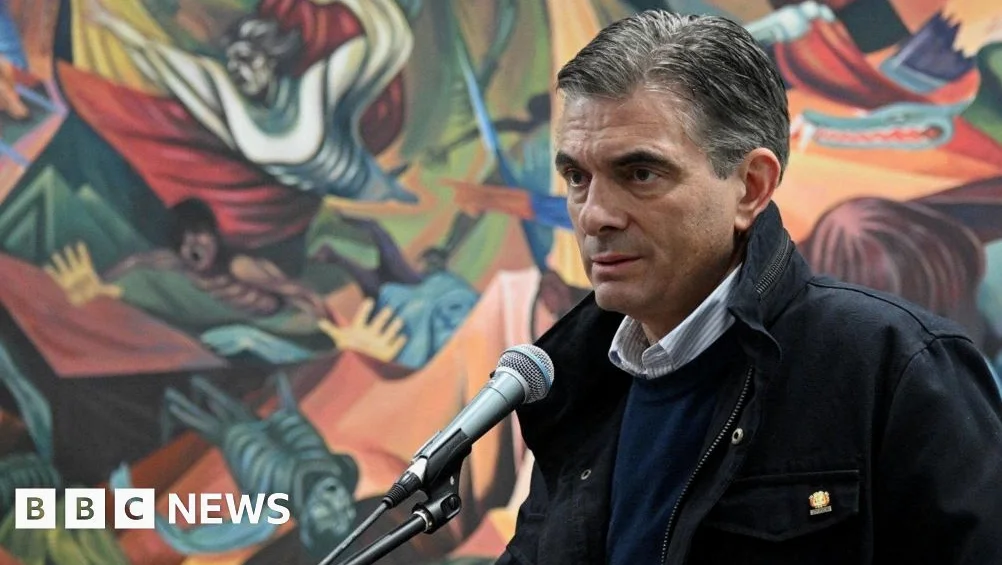
Bolivian President Rodrigo Paz declared a state of emergency after 50 days of protests, according to BBC. The protests. Which began at the end of April, were initially triggered by a land reform proposal that critics argued would favor large landowners at the expense of small property owners.
Land Reform and Economic Measures Spark Unrest
Although Paz has since scrapped the controversial land reform, farmers have been joined by other groups protesting economic measures such as cuts to long-standing fuel subsidies. Additional controversy arose over proposed changes to Bolivia’s constitution, which the president says are necessary to open the economy to private investment; Demonstrators, however, argue these changes would weaken oversight of natural resources and key economic sectors.
According to BBC. Paz has accused left-wing former president Evo Morales of orchestrating the protests, a claim Morales has denied. In an attempt to ease tensions. Paz has taken steps including reshuffling his cabinet, slashing his salary and that of his ministers in half, and proposing the creation of a council to negotiate with marginalized groups.
Legislative Powers Expand Under Emergency
Last month, Congress passed a bill making it easier for the president to declare a state of emergency and deploy military forces to manage protests, according to BBC. The emergency declaration now grants Paz broader constitutional tools to restore order, including the potential use of armed forces; DW News reported that the prolonged protests and road blockades have brought the economy to a standstill, prompting the government’s intervention.
According to DW News, the state of emergency could see military units deployed in response to ongoing unrest, raising concerns among civil society groups. The measure has not, however, succeeded in calming the public, as tensions continue to rise and opposition groups remain vocal.
Political Divisions and Public Grievances
The protests reflect deep political divisions in Bolivia. Paz, a center-right politician elected last October, faces significant opposition from left-wing factions and grassroots movements. The government’s attempts to address public concerns through salary cuts and administrative changes have failed to quell the unrest, according to BBC. The crisis has also drawn international attention, with media outlets like DW News highlighting the possibility of military involvement in restoring order.
As the situation evolves, the government’s actions are under close scrutiny. Critics argue that the state of emergency could be used to suppress dissent rather than address the underlying issues fueling the protests. Meanwhile, supporters of Paz contend that decisive measures are necessary to stabilize the economy and ensure national security.






Comments
No comments yet
Be the first to share your thoughts