

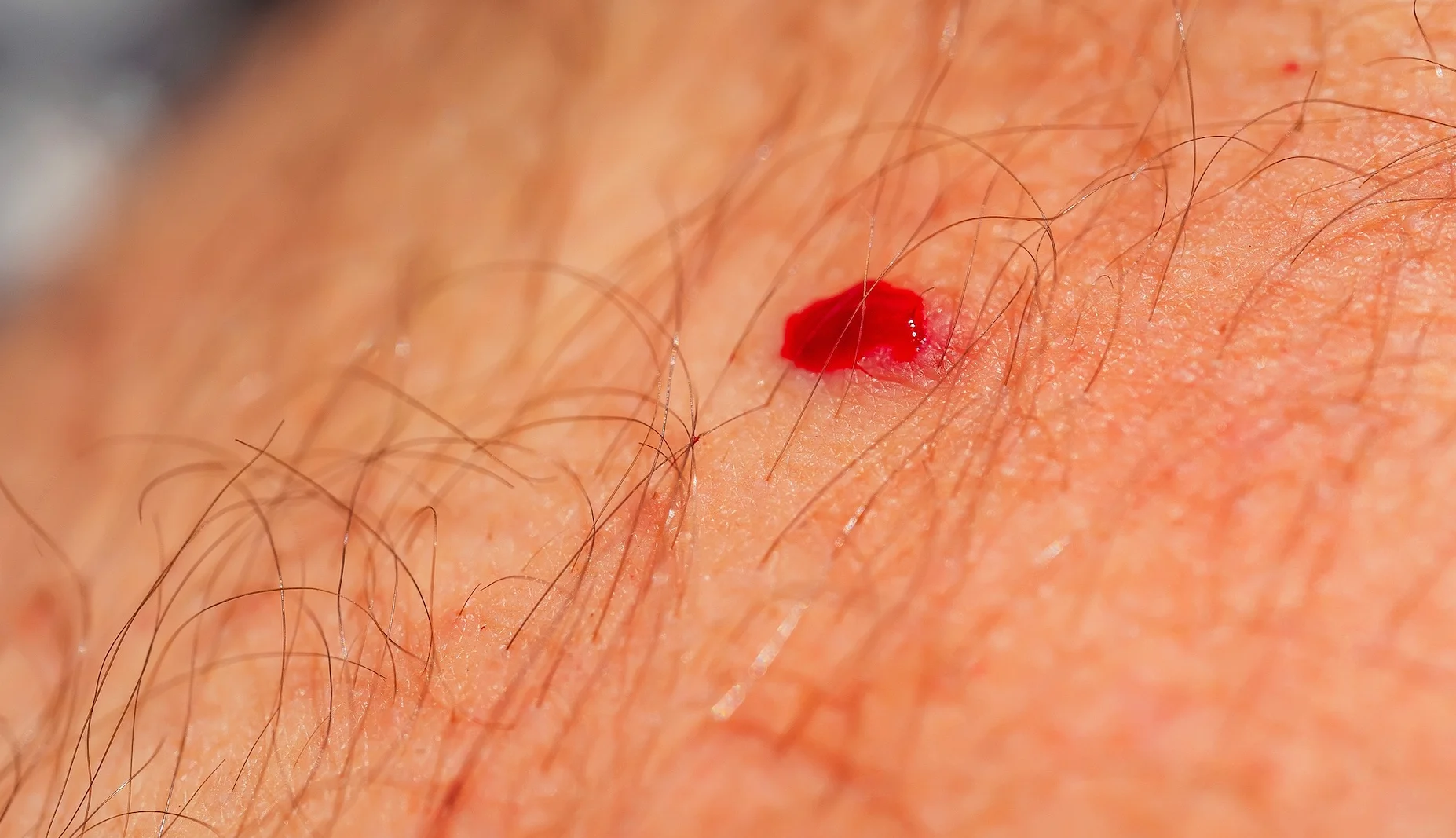
Brazil’s Atlantic Forest — Researchers captured 1,714 mosquitoes and analyzed blood meals from 24 identifiable samples. Eighteen came from humans. The rest traced to one amphibian, six birds, one canid and one mouse.
That stark preference emerged in a study published in Frontiers in Ecology and Evolution. Only a third of the original forest remains after decades of human expansion. Mosquitoes once fed freely on diverse wildlife: birds, mammals, amphibians. Now biodiversity has plummeted. Insects crowd into shrinking green pockets near human settlements.
“This is crucial because, in an environment like the Atlantic Forest with a great diversity of potential vertebrate hosts, a preference for humans significantly enhances the risk of pathogen transmission,” co-author Dr. Sergio Machado told EuroNews.
Mosquitoes rank among the deadliest animals on Earth. The World Health Organization links vector-borne diseases — spread by mosquitoes, ticks, flies and fleas — to more than 700,000 deaths annually. Bites transmit malaria, dengue, Zika and yellow fever.
Climate change amplifies the threat. Warmer temperatures and “super-charged” storms fueled by fossil fuel emissions expand mosquito habitats into new regions. Diseases once confined to tropics now strike temperate zones.
The Atlantic Forest study highlights how habitat loss drives mosquitoes toward people. Reduced animal hosts leave fewer options. Humans become the default meal. That behavioral change could spark outbreaks in urban fringes.
Scientists fight back with innovative tools. One approach introduces Wolbachia bacteria into mosquito populations. The microbe doesn’t kill the insects. It blocks disease transmission. Infected females pass the trait to offspring, gradually curbing epidemics.
Trials in Brazil, Indonesia and Australia show promise. Wolbachia-infected mosquitoes have slashed dengue cases by up to 77% in some cities. Researchers scale up releases, targeting high-risk areas.
Individuals can take steps too. Conventional repellents with DEET remain highly effective. Natural alternatives offer options. Vanilla extract diluted in water repels mosquitoes for hours. Garden plants like lavender, peppermint and thyme deter bites. Crush leaves and rub on skin for quick relief.
Effectiveness varies. Strong concentrations work best against aggressive species. In malaria zones or during outbreaks, health officials urge EPA-approved repellents over home remedies.
Deforestation compounds the problem. Brazil lost 1.2 million hectares of forest in 2022 alone, per government data. Conservation efforts lag. Reforestation and stricter land-use rules could restore wildlife buffers, easing pressure on human-mosquito contact.
Public health experts call for integrated strategies. Combine bacterial releases, habitat protection and personal protection. Vector control saved 1.5 billion human lives since 2000, WHO reports state. Sustained action remains essential as climates warm and forests shrink.






Comments
No comments yet
Be the first to share your thoughts