

 WH News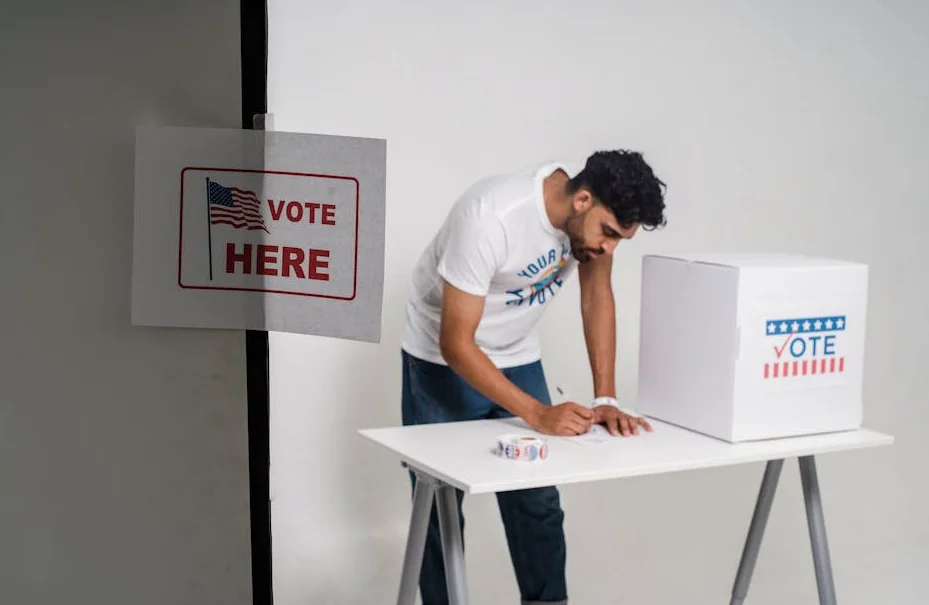
Lawmakers finalized the bill after emergency sessions and reconciling differences on result transmission and voting timelines. Both chambers passed it in mid-February 2026, with the Senate voting 55-15 to retain key compromises.
At the heart of the overhaul sits Clause 60, which allows the Independent National Electoral Commission to transmit polling unit results electronically to its IReV portal. A proviso permits manual uploads if networks fail or technical glitches arise, a hybrid model that survived intense pushback. Minority lawmakers in the House staged walkouts demanding mandatory real-time electronic uploads without exceptions, according to assembly records.
The law also trims the required election notice from 360 days to 300 days under amended Clause 28. INEC officials said this flexibility could shift the 2027 presidential and National Assembly elections from the original February schedule to late December 2026 or January 2027. Such a move would sidestep overlaps with Ramadan — expected to begin around late February 2027 — and possibly Lent, easing logistical strains on voters and poll workers.
Other tweaks target party primaries, prioritizing direct voting or consensus methods while scrapping some indirect options. Penalties for violations sharpen, and procedural timelines tighten to fix prior legal gaps. National Assembly leaders hailed the reforms as essential for smoother 2027 polls, following the controversies of the 2023 elections.
“This bill addresses real-world challenges faced by INEC and strengthens democratic processes,” Senate President Godswill Akpabio said in a statement after passage. House Speaker Tajudeen Abbas echoed that view, noting the harmonization process bridged partisan divides.
The signing comes amid preparations for Nigeria’s next national vote, where Tinubu’s All Progressives Congress seeks to hold power against opposition from the People’s Democratic Party and Labour Party. Critics, including some civil society groups, argued the manual transmission fallback risks manipulation, as alleged in past elections. INEC Chairman Mahmood Yakubu welcomed the law, pledging full implementation.
Debates raged for weeks, with the Senate initially clashing over electronic mandates. A February 12 vote locked in the hybrid system, prompting House adjustments to align versions by February 15. Tinubu acted swiftly, sources in the presidency confirmed, to give INEC ample setup time.
Legal experts anticipate court challenges testing the new clauses, particularly on transmission methods. For now, the law sets the stage for what could be Nigeria’s most scrutinized election since 1999’s return to civilian rule.


Comments
No comments yet
Be the first to share your thoughts