

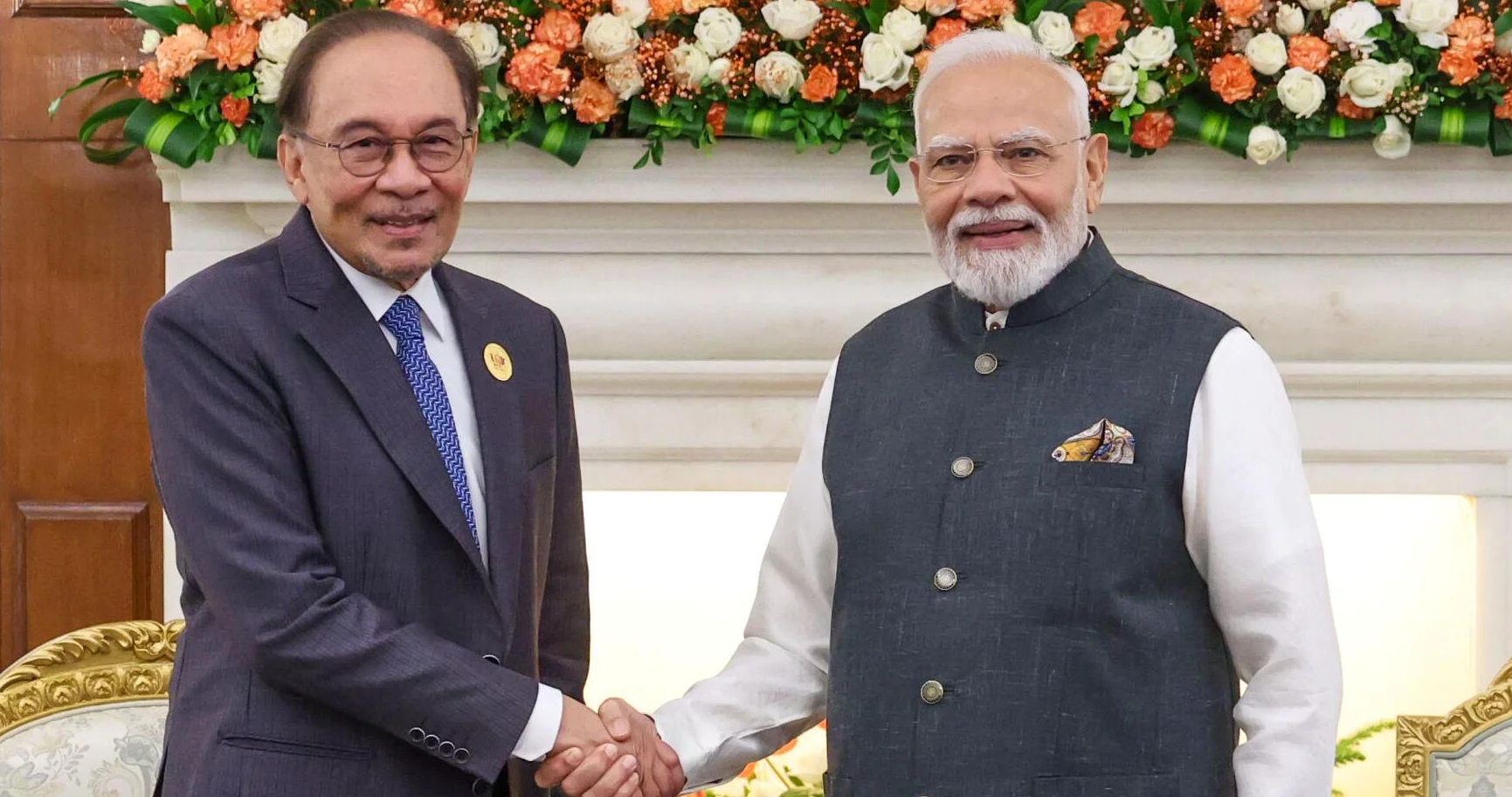
NEW DELHI, The BRICS group of emerging economies on Saturday expressed concern over rising tensions in the Middle East and condemned the use of sanctions not authorized by the U.N., as the leaders met in New Delhi to strengthen their position in global affairs seen as dominated by the West, according to reports from TelegraphHerald.com and ottumwacourier.com.
Focus on Nuclear Safety and Sanctions
The meeting, which included Iranian President Masoud Pezeshkian, voiced concern over “deliberate attacks” on civilian infrastructure and peaceful nuclear facilities under the U.N. atomic energy agency’s safeguards, saying nuclear safety and security must be protected during armed conflicts, according to TelegraphHerald.com. The statement was seen as indirect criticism of U.S. and Israeli strikes on Iranian nuclear facilities — the leaders also took aim at unilateral sanctions not authorized by the U.N. Security Council. They did not name any countries, but Russia, one of the founding members of BRICS, has faced Western sanctions following its full-scale invasion of Ukraine in 2022.
BRICS Summit Themes and Global Cooperation
According to the New Delhi Declaration issued by the BRICS summit on September 12, 2026, the leaders reaffirmed their commitment to mutual respect and understanding, sovereign equality, solidarity, democracy, openness, inclusiveness, collaboration, and consensus. The summit was held under the theme: “Building for Resilience, Innovation, Cooperation and Sustainability,” as reported by PM India — the declaration emphasized strengthening cooperation in the expanded BRICS under the three pillars of political and security, economic and financial, and cultural and people-to-people cooperation.
The leaders also recognized the valuable contribution of Partner countries to BRICS cooperation. They highlighted the belief that advancing the BRICS partnership with Emerging Markets and Developing Countries (EMDCs) will contribute to strengthening the spirit of solidarity and international cooperation for the benefit of all. India was commended for hosting the Outreach/BRICS Plus Dialogue segment of the 18th BRICS Summit, which injects new impetus to strengthen international cooperation and solidarity.
Opposition to U.S. Dollar Dominance
According to a report from VOI.ID, the BRICS Block, which consists of Brazil, Russia, India, China, and South Africa, is increasingly aggressively opposing the dominance of the U.S. dollar. With the increasing de-dolarization movement globally, experts warn that the U.S. dollar may be approaching the “final limit” due to economic instability and U.S. financial policy that has drawn criticism. BRICS countries have been vocal against dependence on the U.S. dollar, proposing the use of local currencies as part of a strategy to create a new world order.
De-dolarization, or efforts to reduce the use of dollars in international transactions, is their main focus in strengthening economic independence, though the launch of the BRICS Pay payment system is predicted to reduce dependence on the U.S. dollar in global transactions. Russia’s Foreign Minister Sergey Lavrov, in remarks earlier this year, highlighted the growing tensions and the need for candid discussions on international issues, according to the Russian Ministry of Foreign Affairs. Lavrov noted that the collective West policy remains a threat to international peace and security, and their strategic goal is to dominate and preserve their hegemony while containing the growth of new global centers and competitors.



Comments
No comments yet
Be the first to share your thoughts