

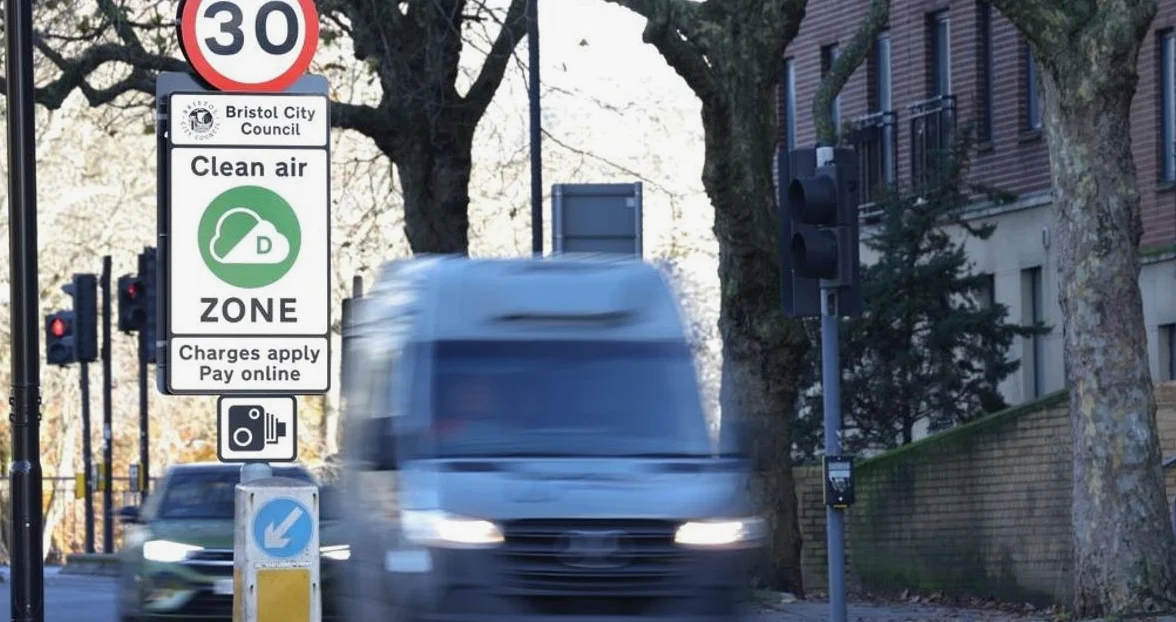
Bristol City Council has written off £22 million in unpaid Clean Air Zone fines over the past 18 months, according to a recent report, despite still being owed £205 million from all debtors as of the end of September 2025. The debt report, presented to the strategy and resources committee on March 16, detailed the scale of unpaid obligations across a range of services, including council tax, housing, and enforcement actions.
Impact on Trade and Enforcement
The report highlighted that the overall debt figure, which includes council tax arrears, housing benefit overpayments, and fixed penalty notices, has improved slightly from £229 million in March 2024. However, the council tax arrears have risen significantly, reaching £62.2 million by the end of September 2025, up from £51.9 million in the previous year.
Of the £22 million written off, 59% were Clean Air Zone (CAZ) fines, amounting to £9.9 million for the six months ending September 30, 2025, in addition to £12.2 million written off in the 2024/25 financial year. The report noted that this was due to the exhaustion of all recovery avenues and the approval process under authorisation levels.
The delay in issuing warrants to enforcement agents for CAZ fines was attributed to a backlog caused by the suspension of enforcement agent referrals during the pandemic and issues with data transfer systems. The backlog has since been cleared, and enforcement agents are now processing the cases as quickly as possible.
Challenges in Debt Recovery
Despite these efforts, a significant number of warrants for payment are now expiring without collection. The report acknowledged that the volume of cases being handled by enforcement agents, combined with the large debts owed by repeat offenders, has made full recovery extremely challenging.
There are currently 45,000 warrants in the hands of enforcement agents, but only 11,000 of these are from unique debtors. This indicates that a small number of individuals or entities are responsible for a large portion of the outstanding debt.
The report emphasized that different income types are invoiced on varying payment terms, making it difficult to determine how much debt is actually overdue. However, a new centralised Debt Collection and Recovery Team, fully operational since August 2025, has already reduced outstanding debt by £6.67 million between January 2025 and January 2026.
Future Steps and Support Initiatives
Bristol City Council is also implementing additional measures to support individuals struggling with unmanageable debt. A debt support referral service allows customer-facing teams across the council to refer those in need for advice and support. Monthly drop-in debt clinics are now held at the Temple Street Customer Service Point.
In the case of council tax, the council is attempting to identify individuals who may be facing financial difficulties but have not yet engaged with them. Further contact efforts are expected to increase engagement and potentially reduce the number of cases referred to enforcement agents.
Under current arrangements, enforcement agents promptly return cases where financial or other vulnerabilities are identified, often during the ‘pre-compliance’ stage, which is free of charge. The council is committed to ensuring that any new processes continue to provide positive outcomes for debtors while helping them to resolve their financial issues quickly.
The report also noted that the introduction of the ‘second home’ premium, which requires furnished properties that are periodically occupied to pay twice the charge, has contributed to the rise in debt. This policy, aimed at addressing the impact of second homes on local housing markets, has added to the financial burden on some households.
Looking ahead, the council is expected to continue its focus on improving debt recovery mechanisms while expanding support services to those in need. The next steps will involve monitoring the effectiveness of the new Debt Collection and Recovery Team and evaluating the impact of the ‘second home’ premium on council finances and individual debtors.
With the ongoing challenges in debt collection and the need to balance enforcement with support for vulnerable individuals, Bristol City Council is under pressure to find sustainable solutions that address both its financial needs and the well-being of its residents.






Comments
No comments yet
Be the first to share your thoughts