

 BBC
BBC 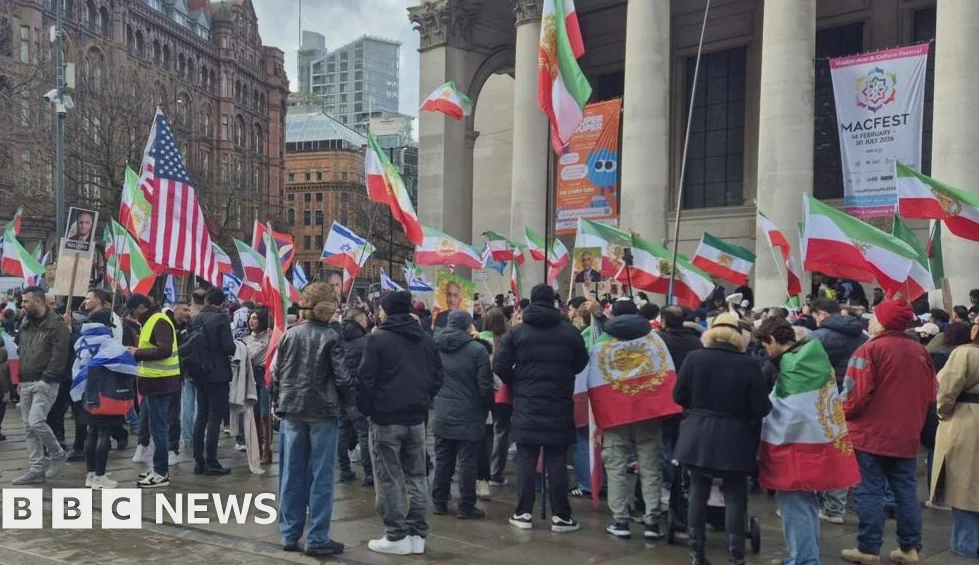
About 1,000 British Iranians held a rally in Manchester on April 14, 2024, expressing support for recent US-Israeli military strikes against Iran. The demonstration, which took place in the city’s Victoria Park, was one of the largest such events in recent years and reflected the complex and often conflicting sentiments of Iranians living abroad.
The Rally’s Message
Farid Vahidi, an Iranian human rights activist based in Manchester, said the rally was a reflection of the growing frustration among Iranians both in the UK and at home. ‘We’ve been under so much repression and pressure that we just want to break free,’ Vahidi said, addressing the crowd.
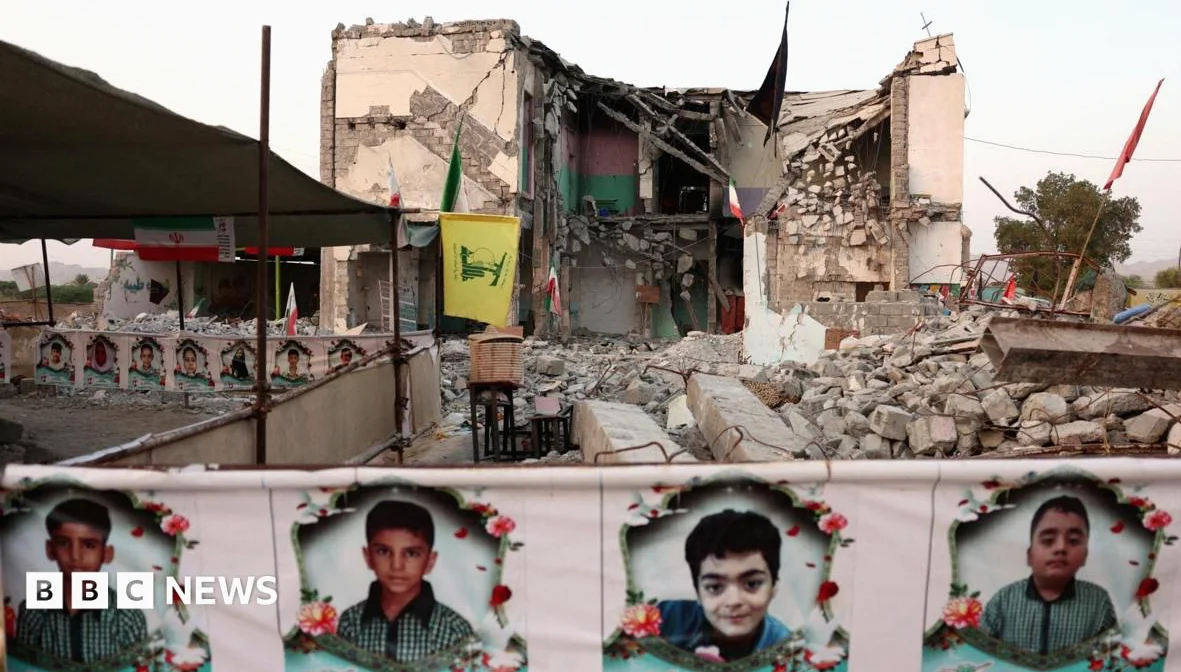
The strikes, which targeted Iran’s military infrastructure, have sparked retaliatory attacks by the Iranian regime on neighboring countries hosting US military bases. According to official reports, more than 200 people, including Supreme Leader Ayatollah Ali Khamenei, have been killed in the conflict so far.
Support Amid Trauma
Vahidi, who works with Iranian refugees in the UK, said the rally was not a celebration of war but a desperate plea for change. ‘We don’t want our country to be attacked, but many have been calling for foreign intervention for a long time,’ he said.
One anonymous participant, who fears repercussions for her family in Iran, described the emotional toll of the conflict. She said she had been unable to contact her parents since the Iranian government implemented a nationwide internet shutdown. ‘The last time they shut down the internet [in January], I couldn’t talk to my parents for two weeks,’ she said. ‘I don’t know what’s going to happen this time.’
She acknowledged the civilian casualties but argued that the situation had reached a breaking point. ‘We’ve got to the point that we are basically clinging on to the last resort, and the last resort is foreign intervention,’ she said.
Distancing from the Regime
Her friend, who also chose to remain anonymous, expressed bittersweet feelings about the strikes. ‘In an ideal world, no citizen would like their country to be bombed, but the Islamic Major Guards Corps got us to the point that we actually supported Trump to attack our country,’ she said.
She added that many Iranians are now distancing themselves from Islam and the regime’s interpretation of sharia law. ‘A lot of Iranians now are distancing themselves from Islam and they don’t want to be identified as Muslim, because they’ve been traumatised by that,’ she said.
The woman, who moved to the UK at 18 to study, said the protests in Iran have multiple layers. ‘It is because of the economy, oppression, a lack of human rights, a lack of women’s rights,’ she said, adding that soaring inflation has made life harder for many in Iran.
The Role of Foreign Powers
Dainel, another participant at the rally, said many Iranians both at home and abroad support the strikes for the time being. ‘We don’t want this regime because it is doing everything very badly,’ he said.
Among the flags waved at the rally, there were some representing the US and Israel. Dainel said he trusts the leaders of those countries more than the mullahs in power in Iran. ‘What they say, they do. And we see what the mullahs say, they never do,’ he said.
Vahidi, however, was more cautious. ‘I don’t want to fantasise and think they have our interest in mind,’ he said. ‘Obviously any politician thinks about their own and their country’s interests first and foremost. But at this moment in time, personally as an Iranian and any other person I have spoken to, there is no other way in front of us.’
The rally came amid a deepening crisis in Iran, where the regime has been accused of severe human rights abuses. Since December 2022, it is estimated to have killed between 6,000 and 30,000 protesters, though exact figures are hard to verify due to restrictions on independent media.
The situation is likely to remain volatile in the coming weeks, with both Iran and its adversaries preparing for further military and political moves. The impact of the strikes on the region and the global economy could be significant, with analysts warning of potential ripple effects on trade and security.
Comments
No comments yet
Be the first to share your thoughts