

 BBC
BBC 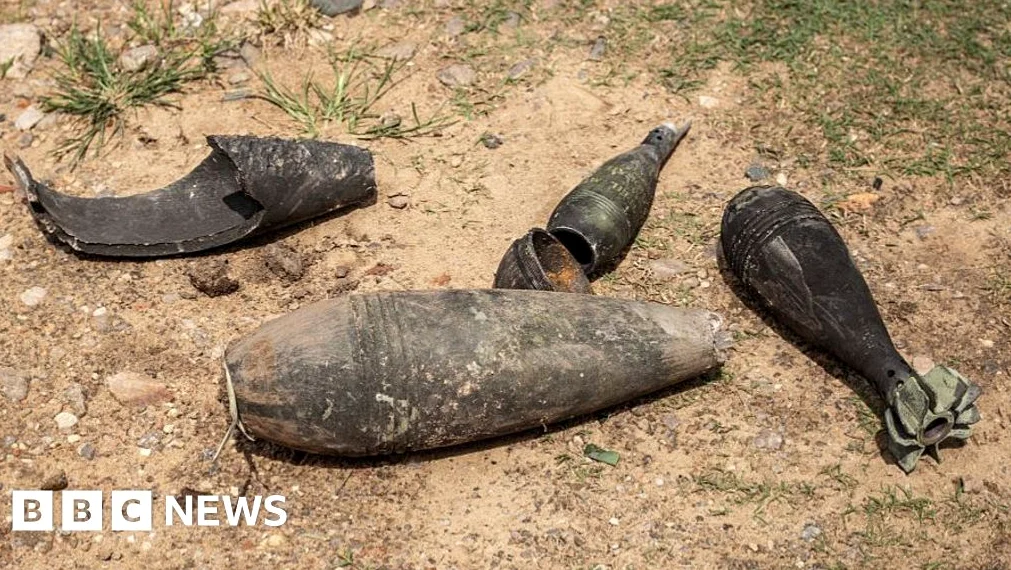
At least four people have been killed in a series of powerful explosions at an ammunitions depot in Burundi’s largest city, Bujumbura, according to local residents who spoke with the BBC. The blasts occurred late Tuesday in the suburb of Musaga and were caused by an electrical fault, according to an army spokesperson.
Explosions and Their Aftermath
The explosions sent plumes of smoke into the air, causing panic among the city’s more than one million residents. Shrapnel and debris were propelled more than 5km (three miles) from the site, and several houses in nearby districts were destroyed by the force of the blasts.
Authorities have not yet released an official casualty count. However, family members and eyewitnesses told the BBC of at least four separate deaths in the city. The AFP news agency cited security sources as saying that dozens of people had died, though this has not been confirmed by official channels.
One witness. A woman from the village of Gahuza, told the BBC that a relative who had been detained at Mpimba Central Prison died after a bomb hit the facility. The prison. Located near the ammunitions store, reportedly saw numerous inmates injured in the blasts.
Impact on Local Communities
In the north-eastern neighborhood of Gisandema, witnesses told the BBC that a bomb destroyed a house and killed a domestic worker. The destruction left families displaced and communities in shock, with many still assessing the full extent of the damage.
The authorities have said they cannot yet comment on the number of casualties as they are still assessing the damage. President Evariste Ndayishimiye expressed his condolences to all Burundians in a message on X, adding that the government is ‘here to help’ those affected.
The explosions highlight the dangers of storing large amounts of military equipment in densely populated areas. Burundi, a landlocked East African nation with a population of around 12 million, has experienced periodic unrest in recent years, often tied to political tensions and security concerns.
The facility in Musaga is believed to be one of the main storage points for military supplies, though details about its capacity or the types of materials stored there remain unclear. The incident has raised questions about the safety of such facilities in urban settings and the adequacy of security measures in place.
What’s Next for Burundi
Officials have not yet provided a timeline for when they will release an official report on the incident or announce any investigations into the cause of the explosions. Local leaders and community representatives are expected to meet in the coming days to assess the needs of those affected and to discuss any potential reforms to prevent similar incidents in the future.
Residents of Bujumbura have expressed frustration over the lack of transparency and the slow response from authorities. Some have called for an independent inquiry into the incident, citing concerns about the safety of the population and the handling of military equipment in urban areas.
The government has not yet commented on whether the explosions were the result of negligence or an accident — However, with the death toll potentially rising, the pressure on officials to provide a full account of the events is likely to increase.
As the situation develops. International observers and regional partners are expected to monitor the response from Burundi’s government. The incident could also have implications for the country’s reputation and its relations with neighboring states, particularly in the context of ongoing security challenges in the region.
For now, the focus remains on the affected families and the recovery efforts in Bujumbura; the government has pledged support, but the full extent of the damage and the long-term impact on the community remain to be seen.






Comments
No comments yet
Be the first to share your thoughts