

 BBC
BBC 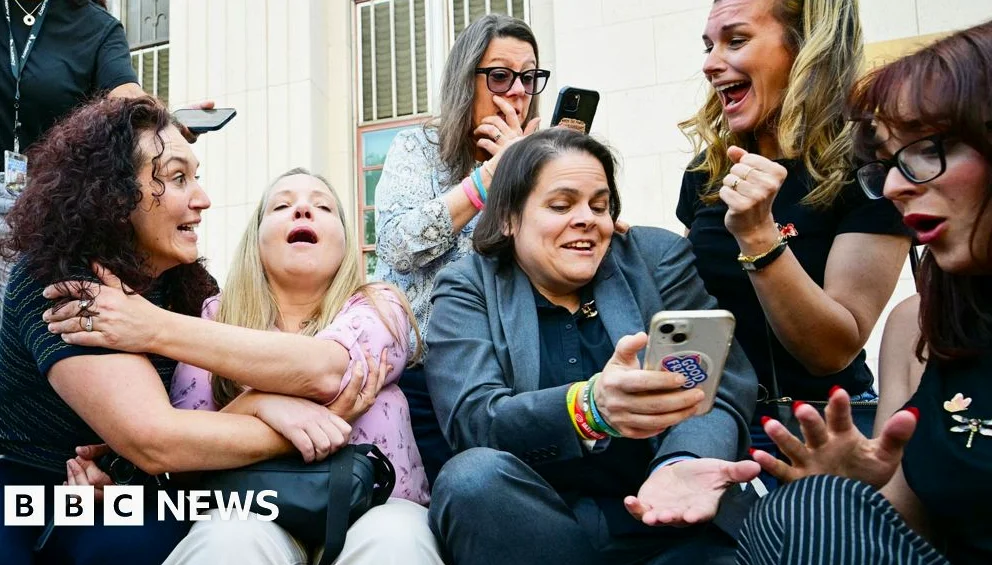
A Los Angeles jury has ruled in favor of a young woman who sued Meta and YouTube over her childhood social media addiction, awarding her $6 million in damages, according to the BBC. The verdict marks a significant turning point in the ongoing debate over the impact of social media on young users.
The Legal Battle and Its Implications
The woman. Known as Kaley. Was awarded $3 million in compensatory damages and $3 million in punitive damages after jurors found that Meta and Google, which owns YouTube, acted with ‘malice, oppression, or fraud’ in operating their platforms. The ruling could have far-reaching implications for hundreds of similar cases currently being processed in US courts.
Meta and Google both disagreed with the verdict and announced their intent to appeal. Meta stated that teen mental health is ‘profoundly complex’ and cannot be linked to a single app. A spokesperson for Google said that this case ‘misunderstands YouTube,’ which the company describes as a ‘responsibly built streaming platform, not a social media site.’
However, the verdict has been seen as a major victory by campaigners and parents. Ellen Roome. A parent who is suing TikTok after the death of her son, called it an ‘enough was enough’ moment. ‘How many more children are going to be harmed and potentially die from these platforms?’ she asked. ‘It’s been proved it’s not safe – and social media companies need to fix it.’.
A Turning Point for Social Media Regulation
The ruling comes just a day after a jury in New Mexico found Meta liable for the way its platforms endangered children and exposed them to sexually explicit material and contact with sexual predators. Mike Proulx. A research director for advisory firm Forrester, said the back-to-back verdicts underline a ‘breaking point’ between social media companies and the public.
Recent months have seen increased scrutiny on social media platforms, with countries like Australia imposing restrictions on children’s use of social media. The UK is currently running a pilot program to test the effects of a ban on social media for those under 16. ‘Negative sentiment toward social media has been building for years, and now it’s finally boiled over,’ Proulx said.
Reacting to the verdict. UK Prime Minister Sir Keir Starmer said the current status quo was ‘not good enough’ and more needed to be done to protect children. Highlighting the government’s consultation on whether to ban social media for under-16s, he said, ‘It’s not if things are going to change, things are going to change. The question is, how much and what are we going to do?’
Parental Support and Legal Challenges Ahead
Parents of other children, not part of Kaley’s lawsuit but claiming they were also harmed by social media, were present outside the courthouse during the trial. When the verdict was announced, parents like Amy Neville were seen celebrating and hugging other supporters who had been waiting for a decision.
Kaley’s case has highlighted the alleged addictive nature of social media platforms. Her lawyers argued that Meta and YouTube had built ‘addiction machines’ and failed to prevent children from accessing their platforms. Kaley started using Instagram at age nine and YouTube at six, encountering no attempts to block her because of her age.
‘I stopped engaging with family because I was spending all my time on social media,’ Kaley said during her testimony. She described developing anxiety and depression by age 10, which were later diagnosed by a therapist. She also began obsessing over her physical appearance and using Instagram filters that altered her appearance.
Kaley has since been diagnosed with body dysmorphia, a condition that causes people to worry excessively about their physical appearance. Her lawyers argued that features of Instagram, like infinite scroll, were designed to be addictive. They also pointed out that Meta’s growth goals were aimed at getting young people to use its platforms, as young users are more likely to remain on the platforms for longer periods.
During his appearance before the jury, Mark Zuckerberg, Meta’s chairman and CEO, relied on the company’s longstanding policy of not allowing users under the age of 13 on its platforms. When presented with internal research showing that young children were using Meta’s platforms, Zuckerberg said he ‘always wished’ for faster progress to identify users under 13. He insisted the company had reached the ‘right place over time.’
Meanwhile, the Duke and Duchess of Sussex, who have long campaigned about the harms of social media, called the verdict a ‘reckoning.’ ‘Let this be the change – where our children’s safety is finally prioritised above profit.’
British online safety campaigner Ian Russell, whose 14-year-old daughter Molly took her own life in 2017 after consuming harmful content online, told the BBC’s Newsnight programme: ‘There is a big hope that this is a big moment and tech will… [need] to change, but only if the governments do something about it.’
Another case against Meta and other social media platforms over their alleged harms to children is set to begin in June in California federal court. The ongoing legal battles and public pressure may force social media companies to reconsider their current strategies and policies regarding youth engagement.






Comments
No comments yet
Be the first to share your thoughts