

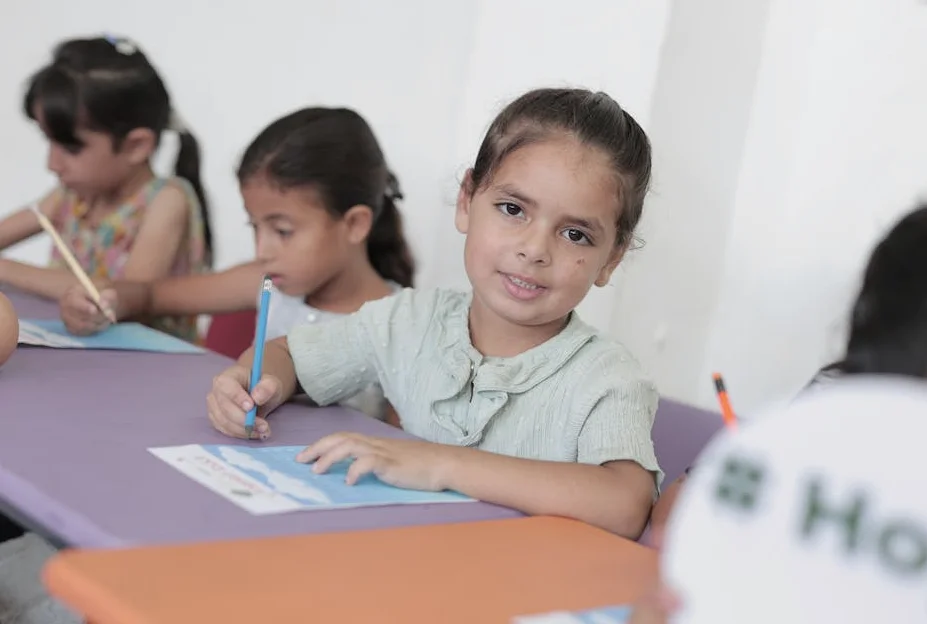
Students in Gaza face historic challenges in continuing their education as universities remain closed due to ongoing conflict, according to multiple reports. With no functioning universities. Students are relying on alternative methods, including online learning and informal education, to keep their studies alive — the situation has raised concerns about the long-term impact on the region’s youth and future workforce.
Impact on Education and a ‘Lost’ Generation
The Israeli invasion of Gaza has had a severe impact on the education system, with schools and universities either destroyed or forced to close due to ongoing violence. A report by the Science Media Centre España warns of the risk of a ‘lost generation’ if the situation continues without intervention. According to the report. The disruption to education is not just a short-term issue but could have long-lasting effects on the mental health, skills, and opportunities of young Gazans.
“The risk of a lost generation is very real,” said an expert from the Science Media Centre España. “Without access to proper education. The future of these students is uncertain — this is not just an educational crisis but a humanitarian one.”.
ReliefWeb reported that over 1.2 million people in Lebanon have been displaced since March due to Israeli airstrikes, and this displacement has further complicated the situation for students in Gaza. With many families forced to move. Students often lack stable environments to continue their studies — the report highlights that the number of displaced children has grown significantly, and their access to education is limited.
Alternative Methods of Learning
Despite the challenges, students in Gaza have found alternative ways to continue their education. According to Al Jazeera. Some are turning to online platforms and informal learning circles to keep their studies going. However, access to the internet and electricity remains a major barrier for many students.
“We are trying to study through online courses, but the internet is often down, and we can’t afford data,” said a student from Gaza who wished to remain anonymous. “It’s frustrating because we want to keep learning, but the circumstances make it nearly impossible.”
ReliefWeb also reported that humanitarian organizations are working to provide educational materials and support to students in Gaza. However, the scale of the crisis has made it difficult to reach all those in need. With limited resources and ongoing violence, the efforts of aid groups are constantly being hampered.
International Response and Concerns
The international community has expressed growing concern over the impact of the conflict on Gaza’s students. The United Nations has called for urgent action to ensure that children and young people have access to education, but progress has been slow. According to the UN, the number of children affected by the conflict has risen dramatically, and many are at risk of being permanently excluded from the education system.
“The world must act now to protect the right to education for children in Gaza,” said a UN official. “This is not just about the present, but about the future of an entire generation.”
In Germany, etos.media has published an article criticizing the West’s complicity in the ongoing crisis. The article argues that the international community has failed to take decisive action to stop the violence and protect civilians, including students. “History will not forgive the inaction of those who have the power to stop the destruction,” the article states.
Local Perspectives and Resilience
Despite the dire situation, many students in Gaza are showing remarkable resilience. According to Qantara.de, some are organizing study groups in makeshift classrooms, while others are using mobile phones to access educational content. However, the lack of infrastructure and resources makes these efforts extremely difficult.
“We are trying to learn as best as we can, but it’s not the same as being in a real classroom,” said a student in Gaza. “We miss the structure and the support that a proper school would provide.”
Local educators have also expressed concern about the long-term effects of the crisis on the region’s youth. “If we don’t find a way to provide proper education, the future of Gaza will be bleak,” said a teacher who has been working with displaced students. “These children need a chance to rebuild their lives, but without education, it will be nearly impossible.”
What’s Next and Why It Matters
The situation in Gaza shows the urgent need for a lasting solution to the conflict that has left students without access to formal education. The international community must prioritize the protection of civilians and ensure that humanitarian aid reaches those in need. Without immediate action, the crisis could lead to a generation of young people being permanently affected by the lack of education.
“The impact of this crisis will be felt for decades to come,” said a humanitarian worker in the region. “If we do not act now, the consequences will be irreversible.”
As the conflict continues, the focus must shift from military actions to humanitarian support and long-term solutions. The future of Gaza’s students depends on the actions taken now to ensure that they can continue their education and rebuild their lives.






Comments
No comments yet
Be the first to share your thoughts