

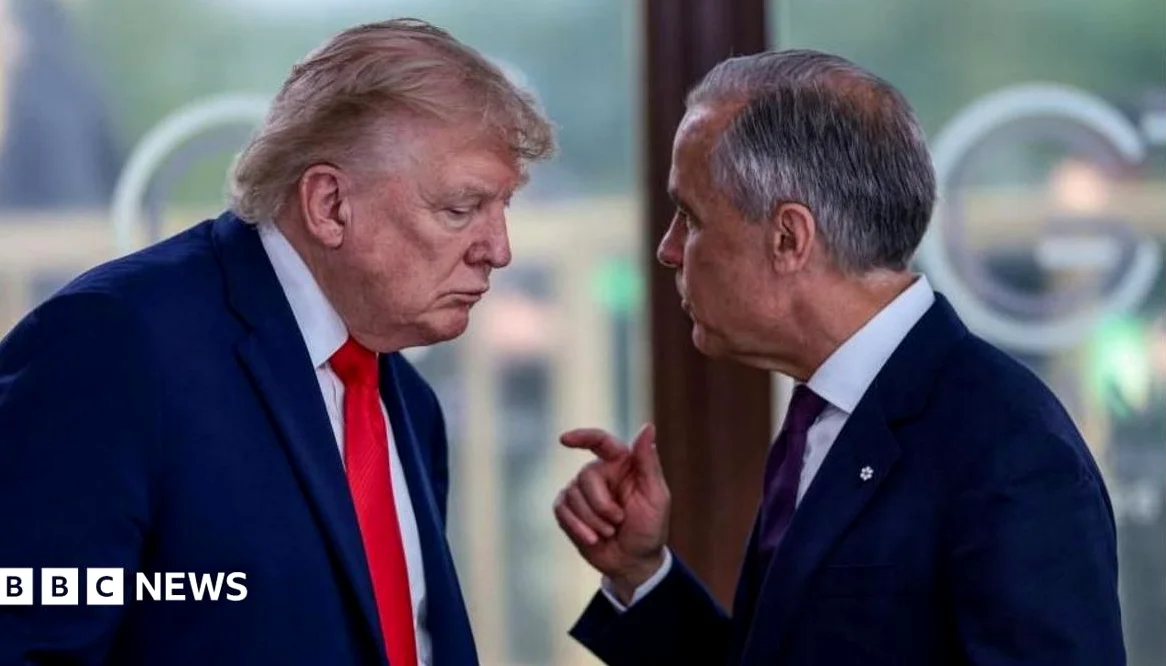
Canada has begun imposing retaliatory tariffs on U.S. goods as the two North American neighbors brace for a prolonged trade war; the tariffs,described as “dollar-for-dollar” by former Bank of Canada Governor Mark Carney,take effect on hundreds of items, including steel, furniture, and cotton T-shirts. These new levies, reaching as high as 50%, mirror similar U.S. taxes on Canadian exports, such as 25% tariffs on cars and trucks and 50% tariffs on dairy, alcohol, and lumber, according to BBC.
Economic Resilience Amid Job Losses
Canada’s economy had shown resilience before the new tariffs, with GDP growing 3.3% in the second quarter and 181,000 jobs added from April to July. However, August saw a reversal with 41,000 jobs lost, coinciding with the imposition of new U.S. tariffs and the collapse in trade negotiations, according to BBC.
Despite the economic setbacks, Canada’s counter-tariffs have been described as a “surgical” approach, according to the Canadian Chamber of Commerce. The Chamber’s CEO and President Candace Laing said businesses “understand retaliation but don’t want to see endless escalation,” adding that they are preparing for a trade dispute that will likely last for some time.
Industry Adjustments and Trade Dependencies
Canada initially included fresh fish and lobster in its retaliatory measures but later removed them after pushback from the seafood industry, according to BBC. The lobster industry in both countries is closely interdependent, with American-caught lobster often shipped to Canada for processing before being sent back to the U.S. for sale.
These adjustments highlight the delicate balance Canada must strike as it retaliates against its largest trading partner — the removal of seafood from the list came to avoid unintended harm to its own economy, showing the complex trade dependencies at play.
Retaliatory Measures and Trade Value
The new Canadian tariffs apply to nearly C$28 billion ($20 billion; £15 billion) worth of U.S. goods and could affect a wide range of products. The retaliatory measures come on top of existing taxes Canada has imposed on American cars and trucks that do not comply with the USMCA (CUSMA) trade agreement, according to BBC.
While the tariffs aim to pressure the U.S. into revisiting trade terms, they also risk further straining the already fragile negotiations. With no sign of a trade deal on the horizon, both sides appear prepared for a prolonged standoff, raising concerns about the broader economic implications for North America.






Comments
No comments yet
Be the first to share your thoughts